Easy Reptile Pets: Which Species Work Best and How to Set Up Their Space
The category of easy reptile pets gets oversimplified constantly, leading buyers to purchase animals they cannot adequately care for. Reptiles marketed as low-maintenance rarely match that description once the owner encounters heating equipment costs, specialized veterinary care, and feeding logistics. The best pet reptiles for beginners are species with forgiving temperature ranges, predictable feeding habits, and calm temperaments, not necessarily the ones with the lowest purchase price. A vacuum for pets becomes essential equipment in any reptile household because substrate particles, dried food, and shed skin fragments accumulate quickly. The range of best reptiles for pets is narrower than most pet stores suggest, and understanding that shortlist prevents common mistakes. Some owners also explore herbs for pets as enrichment plants or supplemental food for herbivorous species, which works for some reptiles but requires species-specific research before introduction.
This article covers the species most likely to succeed with first-time reptile keepers, with accurate information about what each one actually requires.
Which Reptiles Are Genuinely Beginner-Friendly
Leopard Geckos
Leopard geckos tolerate handling well, eat commercially available crickets and mealworms, and do not require UV lighting as strongly as many other lizard species. Their preferred ambient temperature range of 75 to 85 degrees Fahrenheit is achievable without elaborate equipment. They are nocturnal, so daytime activity is minimal. Lifespan runs 15 to 20 years in captivity with proper care, which is a significant commitment buyers should factor in before purchase.
Corn Snakes
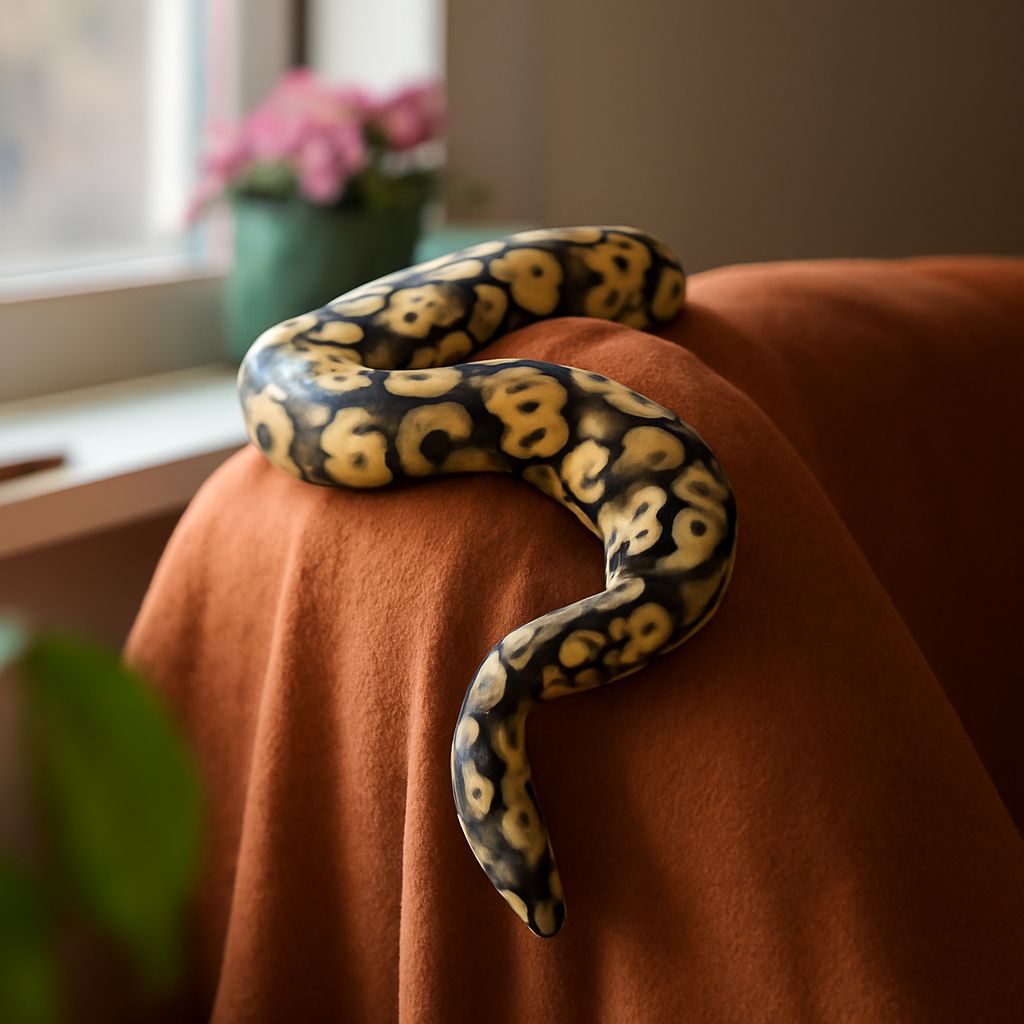
Corn snakes rank among the most manageable pet reptiles available. They eat frozen-thawed mice, handle regularly without excessive stress response, and tolerate modest variation in temperature better than many tropical species. Their enclosures stay cleaner than those of larger snakes, reducing the substrate vacuuming frequency. A good pet-rated vacuum that captures fine particles makes spot-cleaning the enclosure between full substrate changes much faster.
Blue-Tongued Skinks
Larger than geckos but calmer than many lizards, blue-tongued skinks eat a varied diet of vegetables, fruits, and protein. Some owners incorporate safe herbs such as basil, cilantro, and dandelion leaves into their skinks’ diet, providing enrichment and added nutrients. Not all herbs suit reptiles, so verify each plant against a reptile-specific database or consult a reptile vet before offering it. These skinks require UV-B lighting and a basking spot near 100 degrees Fahrenheit, which adds equipment cost but is straightforward to set up.
Setting Up a Reptile Enclosure Efficiently
The most common beginner error is undersized enclosures. Corn snakes need at least a 40-gallon equivalent by adulthood. Leopard geckos need 20 gallons minimum. Blue-tongued skinks need 4 feet of floor space. Substrate choice affects both cleanliness and animal health. Bioactive setups with live plants and clean-up crews reduce waste accumulation but require more initial investment. Paper towel substrate is the most hygienic option for quarantine periods and newly acquired animals.
A vacuum designed for pet environments with a fine-particle filter handles the substrate dust, shed fragments, and dried insect parts that accumulate outside and around enclosures. Standard household vacuums without HEPA filters redistribute these particles into room air rather than capturing them. Reptile-specific enclosure cleaning follows a consistent schedule: spot clean daily, partial substrate replacement weekly, full enclosure sanitization monthly.
Consulting a reptile-experienced veterinarian before purchasing any new species gives you accurate information about local disease risks, common husbandry errors for that species, and what initial bloodwork or parasite screening is appropriate. Many reptile health problems stem from incorrect temperatures or humidity at setup, issues that a pre-purchase consultation helps you avoid.