Pet Door for Screen Door: Options, Installation, and What to Look For
Adding a pet door for screen door access gives dogs and cats in-out freedom without leaving the main door propped open. The challenge is that standard screen mesh tears easily and most pet flap kits on the market are designed for solid wood or metal doors — not the lightweight aluminum frames of screen panels.
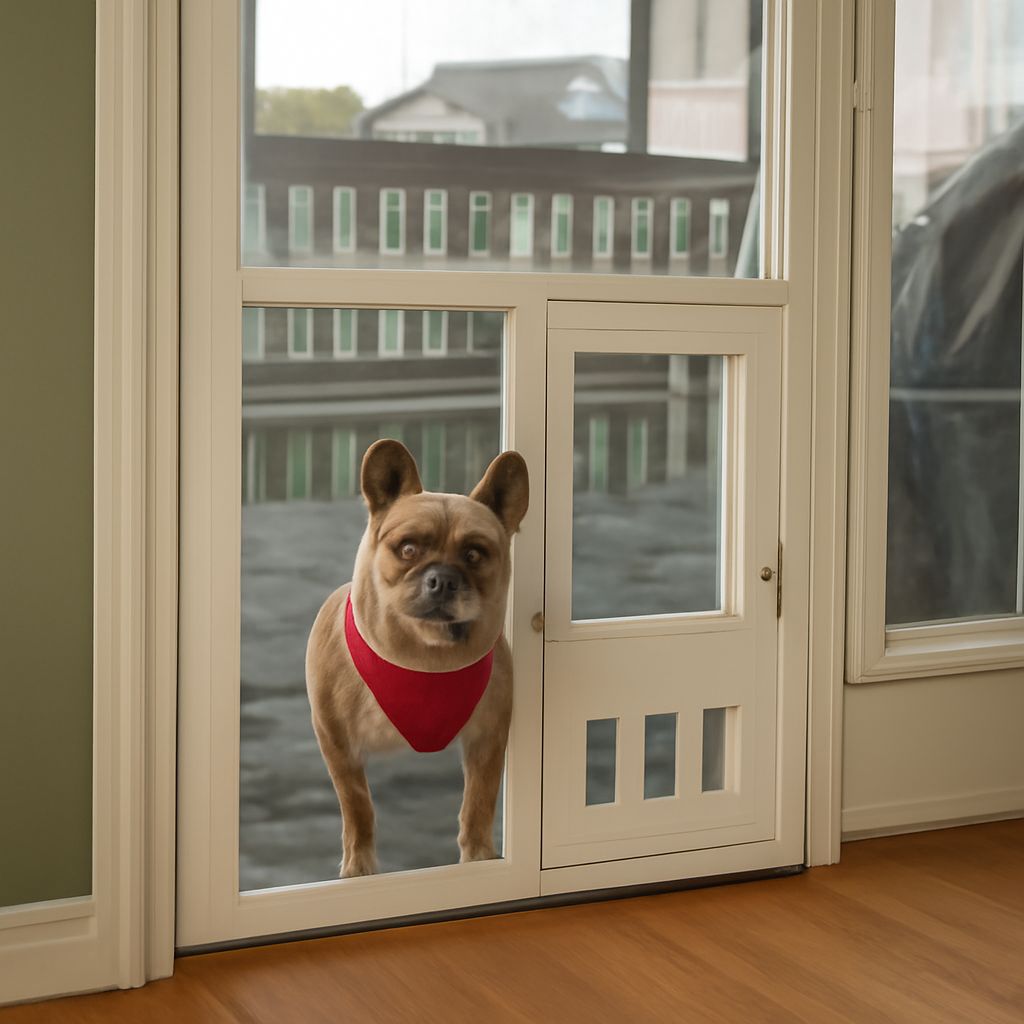
Pet doors for screen doors come in two basic formats: replacement insert panels that swap out your existing screen, and small flap kits that attach directly to the mesh. Pet door for sliding screen door products are a separate category again, requiring a full-height sliding insert that fits into the existing door track. Screen doors with pet door built in are sold as complete replacement doors, while screen doors with dog door panels refer to aftermarket frames designed to accept a pet flap at the factory. Knowing which type fits your setup before buying saves the most time.
Types of Pet Doors for Screen Doors
Insert Panels vs. Flap Attachments
Flap attachments clip or zip-tie onto the existing screen mesh and cut a hole for the pet to pass through. They’re inexpensive and install in under thirty minutes, but they compromise the screen’s structural integrity over time, especially with larger dogs that push through forcefully. The flap material is typically soft vinyl, which cats and small dogs handle fine but medium and large dogs wear out quickly.
Insert panels replace the screen panel entirely with a purpose-built frame containing the pet door. The mesh surrounding the pet door is reinforced, the flap is more durable, and the overall installation is cleaner. Cost runs higher, but these last significantly longer in households with bigger, more active animals. Most insert panels are available in standard patio door heights; measuring your existing screen before ordering prevents sizing errors.
Pet Door for Sliding Screen Door Options
A pet door for sliding screen door situations requires a vertical insert that fits into the door track and spans floor to ceiling (or at least reaches the frame top). The pet door is positioned at the bottom of the insert at the correct height for your animal. These inserts lock into the track with adjustable end brackets, and some models include an aluminum security bar to prevent the door from being forced open from outside. For households with a full-length sliding glass door and screen, this type of insert is the cleanest solution.
Installation Considerations
Measuring for the Right Size
Measure your dog’s shoulder height and add about two inches for the flap opening height. Width should be at least one inch wider than the dog’s broadest point — usually the shoulders. For screen doors with pet door cutouts, also measure the frame’s interior dimensions, not the exterior, to ensure the panel fits properly into the existing channel.
Frame Compatibility and Security
Older aluminum screen door frames may be too narrow or warped to accept insert panels squarely. Check for gaps at the top and sides after a test fit before final installation. Screen doors with dog door panels from specialty manufacturers often include weatherstripping around the pet flap to reduce drafts and keep insects out, which generic mesh-cutting kits don’t provide. For rental properties, removable insert panels are ideal because they leave the original door intact.
Key Takeaways
Match the product type to your door style: use insert panels for hinged screen doors and sliding inserts for patio door tracks. Measure twice, confirm frame compatibility, and choose flap material rated for your dog’s size. A properly fitted pet door for screen door access lasts years with minimal maintenance.