How to Get Your Dog to Drink More Water: Practical Tips
Many dog owners search for how to get your dog to drink more water only after noticing their dog seems lethargic or is producing dark urine. The common assumption is that a dog will always drink enough on its own, but that is not always the case. Some dogs are simply not strong drinkers, and others reduce water intake when their environment changes, their bowl is dirty, or they feel unwell. Knowing how do I get my dog to drink more water starts with understanding why the dog stopped in the first place. How to get a sick dog to drink water requires different strategies than motivating a healthy but stubborn drinker. A dog not drinking water but eating is a specific pattern worth noting because it often points to mouth pain, kidney changes, or a stressful transition. How to hydrate a dog that won’t drink involves both practical tricks and sometimes a vet visit.
Dehydration progresses faster than most owners expect. A dog that loses even two percent of its body weight in fluids will show signs of reduced energy and dry gums. Five percent dehydration causes visible lethargy and sunken eyes. At ten percent, the situation is a medical emergency. Catching the problem early and acting on it quickly makes a real difference.
Why Dogs Refuse to Drink Enough Water
Medical Causes Behind Low Water Intake
Dental disease is the most common physical reason a dog cuts back on drinking. A cracked tooth, infected gum tissue, or oral ulcer makes pressing the tongue and lips against a hard bowl uncomfortable. Nausea from digestive problems, kidney disease, or medication side effects also suppresses the urge to drink. If your dog has recently started a new medication and drinking dropped at the same time, mention it to your vet at the next visit.
Diabetes insipidus, a condition unrelated to regular diabetes, causes excessive thirst in some dogs rather than reduced thirst, but certain hormonal imbalances go the other way and lower fluid intake. A dog that stopped drinking suddenly and has no other explanation deserves bloodwork and a urinalysis to rule out underlying conditions.
Environmental and Bowl-Related Reasons
Bowl material matters more than most owners realize. Some dogs avoid stainless steel because they can see their reflection and find it unsettling. Plastic bowls absorb odors over time and make the water smell off to a dog’s sensitive nose. Water that has been sitting for more than twelve hours picks up dust, bacteria, and ambient odors that a dog can detect even when a person cannot.
Placement also plays a role. A bowl near a loud appliance, a high-traffic doorway, or the food bowl of a more dominant pet in the household can make a dog reluctant to stop and drink calmly.
Practical Ways to Get a Dog to Drink More
Changing the Water Setup
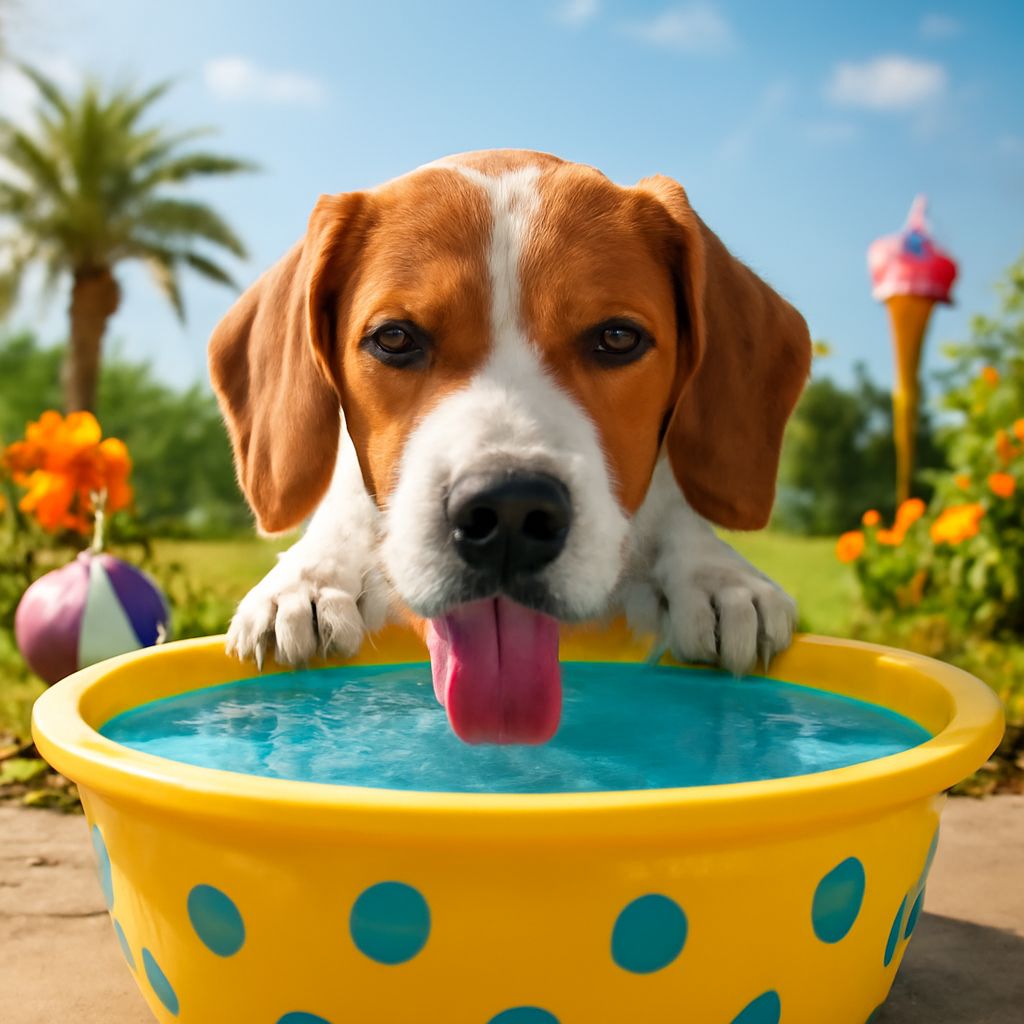
Switch to a ceramic bowl and place it in a quiet corner away from feeding stations. Wash the bowl daily rather than weekly. Run fresh water and refill twice daily even if the bowl is not empty. A pet water fountain increases appeal for many dogs because the constant movement aerates the water and keeps it cooler. Multiple water stations in different rooms remove the need for the dog to travel far, which matters for older or arthritic dogs.
Adding Water to Food
Mixing warm water or low-sodium broth into dry kibble is one of the fastest ways to increase fluid intake without the dog noticing. This approach works especially well for dogs that eat enthusiastically but ignore the water bowl afterward. Wet food, by composition, contains roughly seventy to eighty percent moisture, so transitioning part of the diet to a wet or mixed format has an immediate impact on daily hydration levels.
Using Ice and Broth Safely
Ice cubes intrigue many dogs and encourage them to lick and crunch, adding small amounts of water during play. Low-sodium chicken or beef broth frozen into ice cubes adds flavor. Always check the broth label for onion or garlic, both of which are toxic to dogs. Plain diluted broth added directly to the water bowl is another option that dramatically increases voluntary intake for most dogs.
When Your Dog Is Sick and Won’t Drink
Signs of Dehydration to Watch For
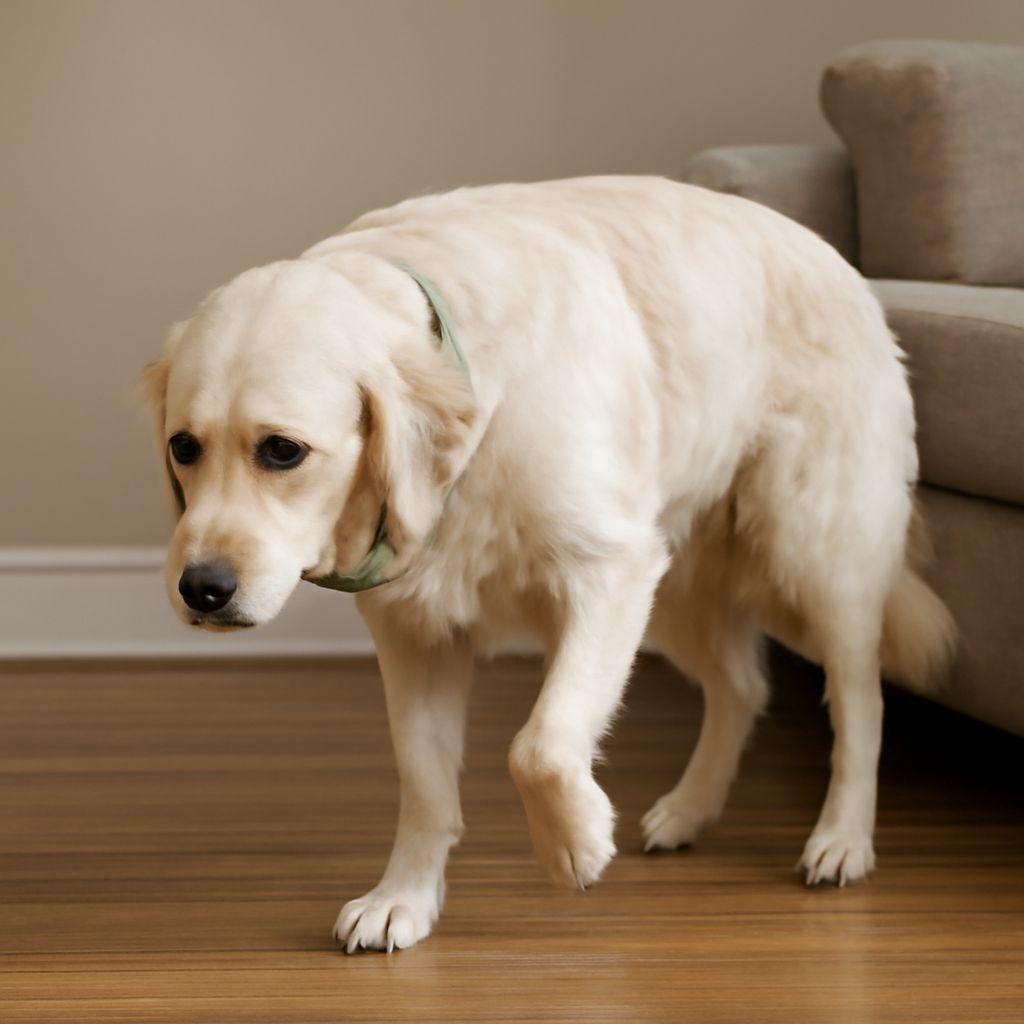
The skin turgor test gives a quick read: gently lift the skin at the back of the neck and release it. In a well-hydrated dog, it snaps back immediately. Slow return indicates dehydration. Dry or tacky gums, reduced urination, and thick saliva are further signals. A dog that is panting but not exercising and refusing water needs prompt assessment.
When to Call the Vet
If a sick dog has not taken in any water for more than twenty-four hours, contact a vet the same day. Puppies and senior dogs dehydrate faster than healthy adults and cannot tolerate prolonged fluid deficits. Subcutaneous fluids administered at a clinic provide rapid rehydration when oral intake is not possible. Key takeaways: fresh water, a clean bowl, and broth incentives fix most minor refusal issues. A sudden, unexplained drop in drinking in an otherwise normal dog warrants a vet call within a day or two. A sick dog refusing all fluids for over a day needs same-day veterinary care.