Dog Figurines: Collecting, Gifting, and What Makes a Quality Piece
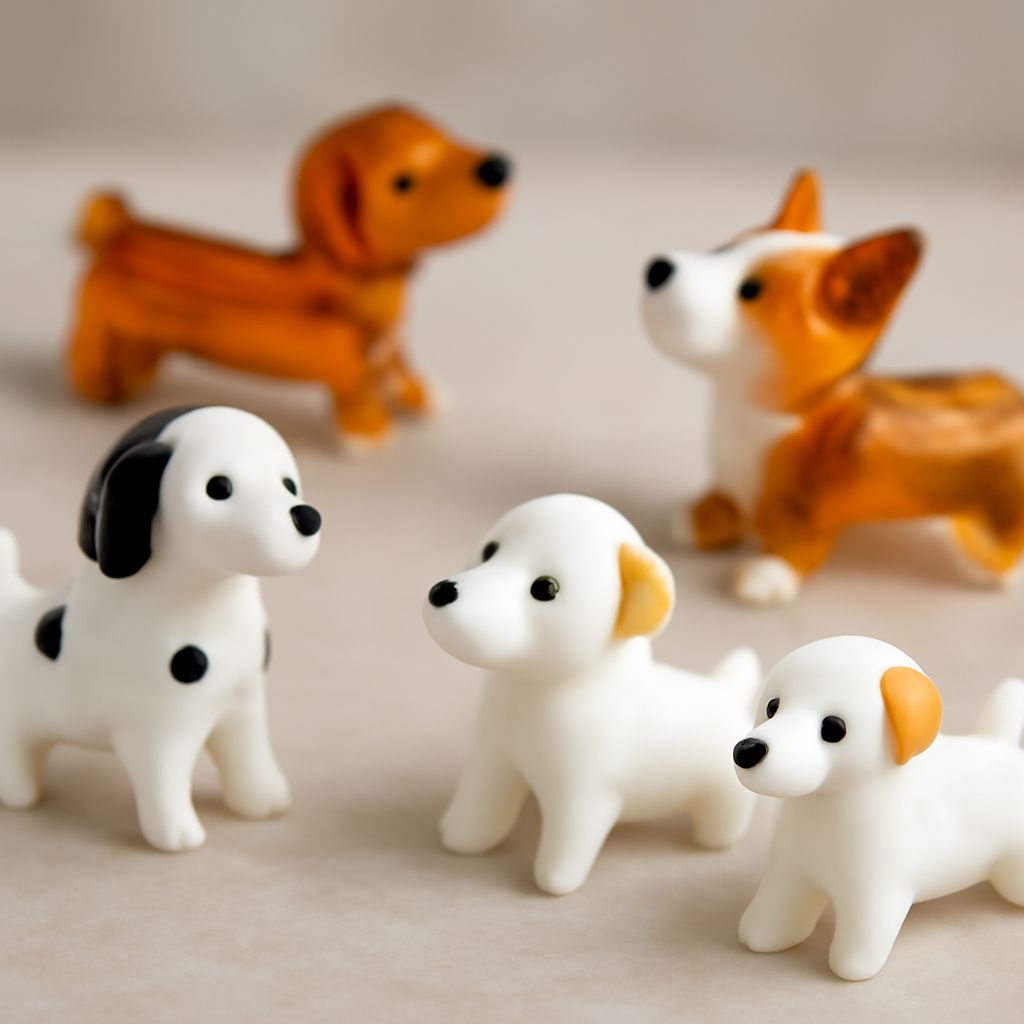
Dog figurines appeal to a much wider audience than most people expect. The assumption is that they attract only elderly collectors or children, but breed-specific dog figurine art draws serious buyers across all ages who want a tangible representation of a dog they love or have lost. Adopt a retired police dog programs have even created a niche market for K9-breed figurines among law enforcement families and supporters. Rock dog Bodi merchandise, based on the animated film character, occupies a separate shelf in the novelty tier. Sweet potato dog chews share no relation to figurine collecting, though both categories appear in the same pet gift searches online. A well-made dog figurine has more in common with fine porcelain than with mass-produced plastic novelties, and understanding the difference matters before you spend money on one.
The gift market for dog figurines runs parallel to the pet memorialization category. Owners who lose a dog often want a lasting object that captures the animal’s breed and coloring. Hand-painted resin and cold-cast bronze figurines fill this role better than printed photographs alone. The quality range is enormous, from five-dollar polyresin pieces sold in gas stations to commission-painted porcelain figures priced at several hundred dollars.
Materials and What They Tell You About Quality
Resin and Cold-Cast Bronze
Most mid-market dog figurines use resin as the base material. Resin accepts paint well and holds fine detail, making it the standard for affordable breed-accurate pieces. Cold-cast bronze adds powdered metal to the resin mix, giving the finished piece a heavier, more metallic feel and appearance without the cost of solid bronze casting. These figurines develop a genuine patina over time if left uncoated. Both materials are durable for indoor display but fade with prolonged direct sunlight exposure.
Porcelain and Ceramic
Porcelain dog figurines from established manufacturers carry markings on the base identifying the maker and sometimes the year of production. Signed pieces from known studios hold value better than unsigned mass-produced ones. Ceramic figures are heavier than resin and less resistant to chips from drops. A hairline crack in a ceramic or porcelain dog figurine reduces collector value significantly. Storage and display in low-traffic areas extends longevity.
Dog Figurines as Gifts and Memorials
Breed-specific dog figurines make practical gifts for owners who have adopted specific breeds, retired working dogs, or lost a companion. Programs that let families adopt a retired police dog sometimes offer figurine merchandise as part of their fundraising. K9 German Shepherd and Belgian Malinois figurines are consistently in demand from supporters of these programs.
For memorial use, commission-painted figurines offer the closest match to a specific dog. The owner provides reference photos, and the artist matches coat color, markings, and body type. Turnaround times for custom pieces range from four to twelve weeks depending on the artist’s schedule. Standard breed figurines from retail sources work as general gifts but cannot capture individual markings.
Where to Find Quality Dog Figurines
Specialty pet boutiques, breed club merchandise tables at dog shows, and direct artist commission platforms carry the highest-quality dog figurine options. Large online marketplaces carry every tier from mass-produced to artisan, so filter by material, size, and seller reviews rather than price alone. Auction platforms sometimes list vintage collector pieces from discontinued manufacturers at prices well below what they would command through specialist dealers. Research the maker’s marks before bidding, since reproductions of desirable vintage figurines circulate regularly in the collector market.