What Do Dog Worms Look Like and Can They Spread to Humans?
Knowing what do dog worms look like is the first step toward identifying an infection early and taking appropriate action. What are the chances of getting worms from your dog depends heavily on the type of parasite involved and your household hygiene habits. Can a human get worms from a dog? Yes, in several cases, particularly with roundworms and hookworms, which are zoonotic. Are dog worms contagious to humans through casual contact alone? That is less common, but the risk increases significantly with poor hand hygiene, contact with contaminated soil, or allowing infected dogs to sleep in beds. How do I know if I got worms from my dog is a question that requires a doctor visit, since many worm infections in humans produce symptoms that overlap with common illnesses.
The most persistent myth is that indoor dogs cannot carry worms because they have no contact with wildlife. Indoor dogs can still pick up worm eggs from soil tracked inside on shoes, from contaminated water, or from prey items like insects and rodents that enter the home.
Identifying Common Dog Worms by Appearance
Roundworms
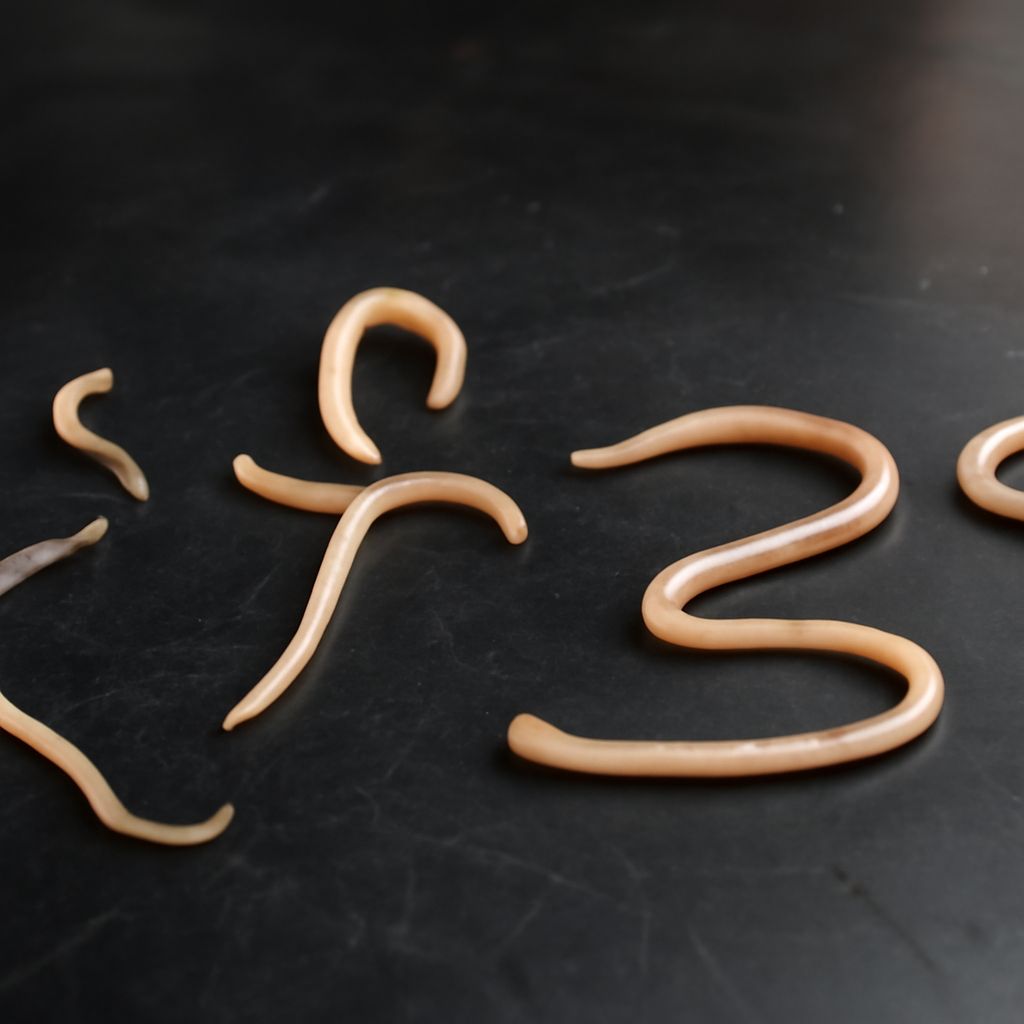
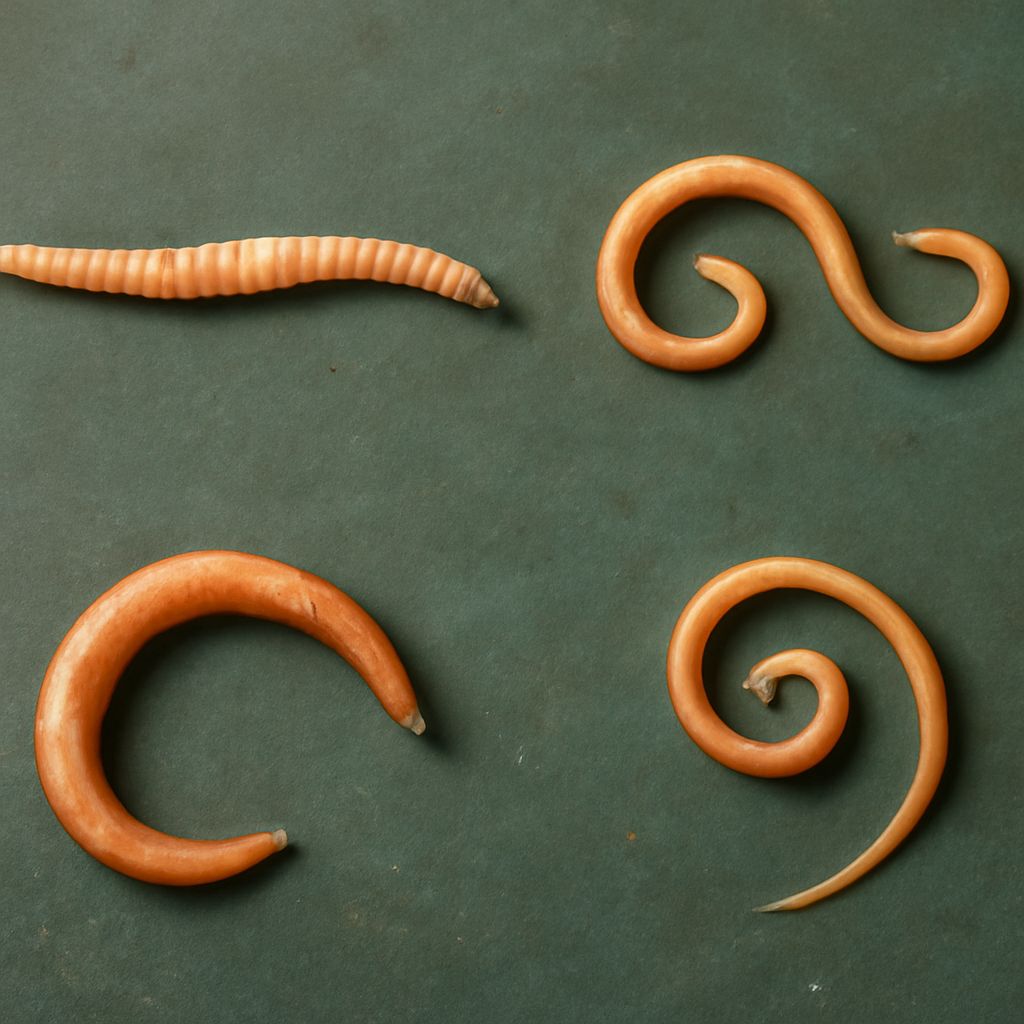
Roundworms are the most frequently diagnosed intestinal parasites in dogs. They look like strands of cooked spaghetti, off-white to pale tan in color, and typically measure two to seven inches in length. Puppies often vomit roundworms whole, and they may also appear in feces. The eggs are microscopic and cannot be seen without a microscope, which is why routine fecal tests catch infections that owners miss entirely.
Tapeworms
Tapeworm segments look like small grains of white rice and are found around the base of the tail or in fresh feces. Each segment is a proglottid, a reproductive unit that breaks off from the main worm and exits the body. Fresh segments may move slightly. Dried segments become harder and more seed-like. Dogs acquire tapeworms primarily by ingesting infected fleas during grooming, which makes flea control directly relevant to tapeworm prevention.
Hookworms and Whipworms
Hookworms and whipworms are small enough that they are rarely visible to the naked eye in feces. Their presence is detected through fecal flotation tests at a veterinary clinic. Hookworm infections in dogs cause bloody or dark stools, weight loss, and anemia in severe cases. These worms can penetrate human skin, causing a condition called cutaneous larva migrans, which produces a raised, itching track under the skin.
Human Transmission Risk and Prevention
Routes of Transmission
Roundworm eggs shed in dog feces can survive in soil for years. Children playing in contaminated soil and then touching their mouths face the highest transmission risk. Adults who garden without gloves in areas where dogs defecate face similar exposure. Hookworm larvae penetrate bare skin walking on contaminated ground. Tapeworm transmission from dogs to humans requires accidentally swallowing an infected flea, which is rare but not impossible.
Signs a Human May Have Worms from a Dog
Roundworm larvae migrating through human tissue cause visceral larva migrans, with symptoms including fever, cough, and abdominal discomfort. Ocular larva migrans is a more serious outcome where larvae reach the eye and cause vision problems. Anyone who suspects they have acquired a worm infection from a dog should consult a physician promptly. Diagnosis typically requires blood tests or imaging rather than visible identification.
Safety recap: Regular deworming and fecal testing for your dog, combined with consistent hand washing before eating, reduces the risk of transmission significantly. Keep children from playing in areas where dogs defecate, and wear gloves when handling dog waste or gardening in areas with dog access.