Can I Give My Dog Acetaminophen? Vet-Backed Answers on Home Care
Can I give my dog acetaminophen is one of the most searched pet health questions, and the answer is firm: no. Acetaminophen is toxic to dogs even at doses that seem small by human standards. It damages red blood cells and causes liver failure, and there is no safe dose for canine use. Reach out to your vet or a pet poison hotline immediately if your dog has already ingested any amount.
Similarly, can I vaccinate my own dog without professional guidance is another question that carries real risk. While some vaccines are sold over the counter for specific diseases like rabies in certain states, most jurisdictions require a licensed veterinarian to administer and certify rabies vaccination. Can I feed my dog human food instead of dog food comes down to which foods: lean cooked meats and some vegetables are fine, but many human staples including onions, grapes, and xylitol-sweetened products are dangerous. How much CBD oil should I give my dog for anxiety is a dosing question that a vet should answer based on your dog’s weight and condition.
Why Acetaminophen Harms Dogs
Acetaminophen, sold as Tylenol and generic equivalents, causes methemoglobinemia in dogs, a condition where red blood cells lose the ability to carry oxygen. Symptoms appear within one to four hours and include brown or blue gums, rapid breathing, swollen face or paws, and collapse. Liver damage follows within 24 to 36 hours. There is no home treatment. If your dog ingested acetaminophen, call your vet or the ASPCA Animal Poison Control Center without delay and follow their instructions exactly.
Safe Pain Management Options for Dogs
Veterinary-Prescribed NSAIDs
Dogs in pain need veterinary assessment before any medication. Licensed veterinarians prescribe canine-specific NSAIDs such as carprofen, meloxicam, and deracoxib for inflammation and pain. These drugs are formulated and dosed for canine metabolism. Never substitute human ibuprofen, aspirin, or acetaminophen for these medications. Even aspirin, which some older guides recommend, carries significant GI and clotting risks in dogs.
Feeding Dogs Human Food Safely
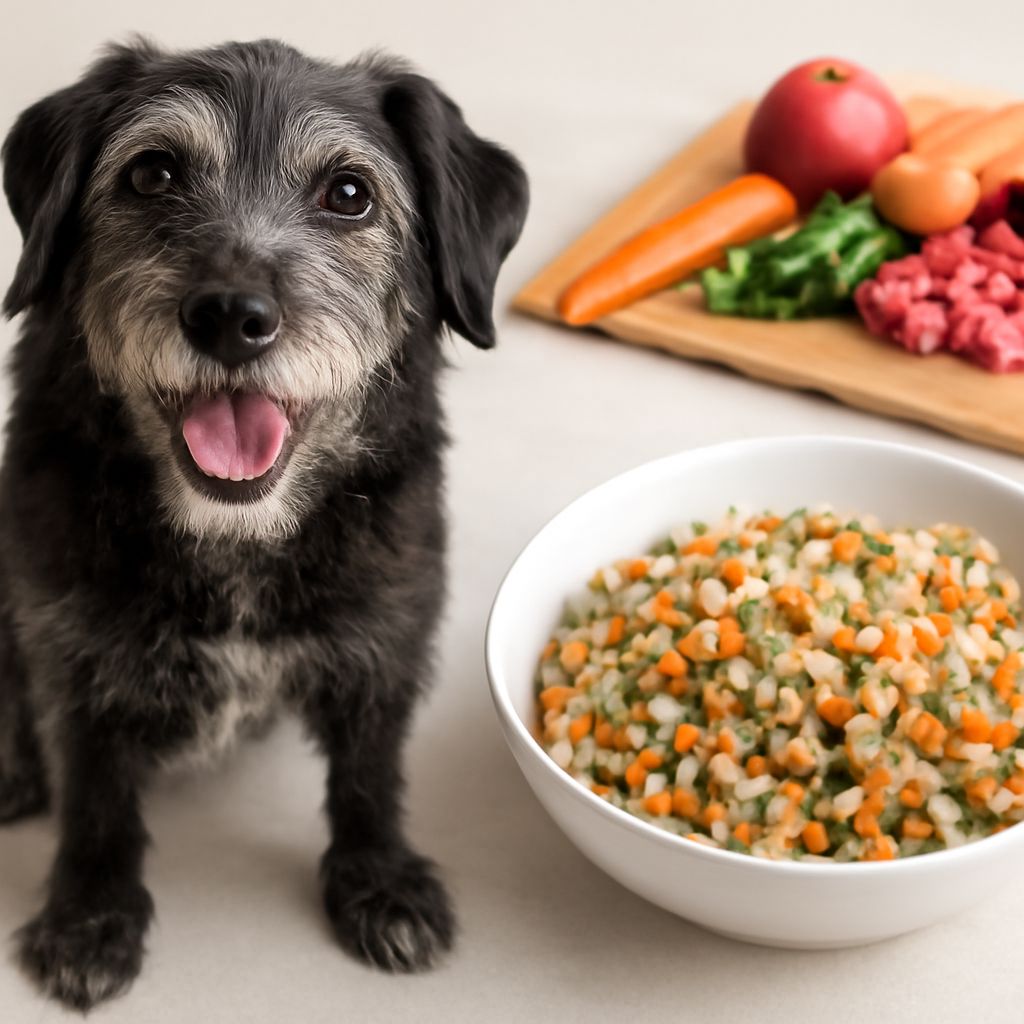
Replacing commercial dog food entirely with human food takes careful nutritional planning. Dogs need specific ratios of protein, fat, calcium, and micronutrients that most home-cooked meals do not provide without supplementation. Plain cooked chicken, rice, carrots, and green beans are safe additions to a balanced diet. Consult a board-certified veterinary nutritionist before switching your dog entirely to home-prepared food to avoid nutritional deficiencies.
CBD Oil and Home Vaccinations: What to Know
CBD oil for dog anxiety has grown in popularity, but dosing is not standardized across products. Most veterinary guidance starts at 0.1 to 0.2 mg per kilogram of body weight, given twice daily, then adjusted based on response. Quality matters significantly: choose products with a certificate of analysis from a third-party lab showing actual CBD content and confirming no THC contamination. A veterinarian’s input before starting CBD oil is the responsible path.
On home vaccination: while purchasing certain vaccines without a prescription is possible in some states, the process requires proper refrigeration, correct injection technique, and accurate record-keeping. Rabies vaccination must be administered by a licensed vet in most regions. For core vaccines like distemper and parvovirus, a vet can advise whether self-administration is appropriate for your situation. When in doubt, a professional clinic visit protects your dog and keeps legal requirements met.