How to Treat an Abscess on a Dog at Home and When to See a Vet
How to treat an abscess on a dog at home is a question that needs an honest answer: most abscesses require veterinary treatment, not home management. An abscess is a pocket of infection filled with pus, and without proper drainage and antibiotics, it will worsen. Minor surface abscesses may be monitored at home for 24 hours, but any abscess that is growing, hot to the touch, or making your dog lethargic needs a vet the same day.
Abscess dog presentations vary by location and cause. A bite wound abscess looks different from a tooth root abscess or an anal gland abscess. A dog neck brace may be recommended after certain surgical procedures near the neck and throat area, which connects directly to abscess on dog neck cases. Understanding dog neck anatomy helps you describe symptoms accurately to your vet and recognize which structures might be involved.
Recognizing an Abscess on Your Dog
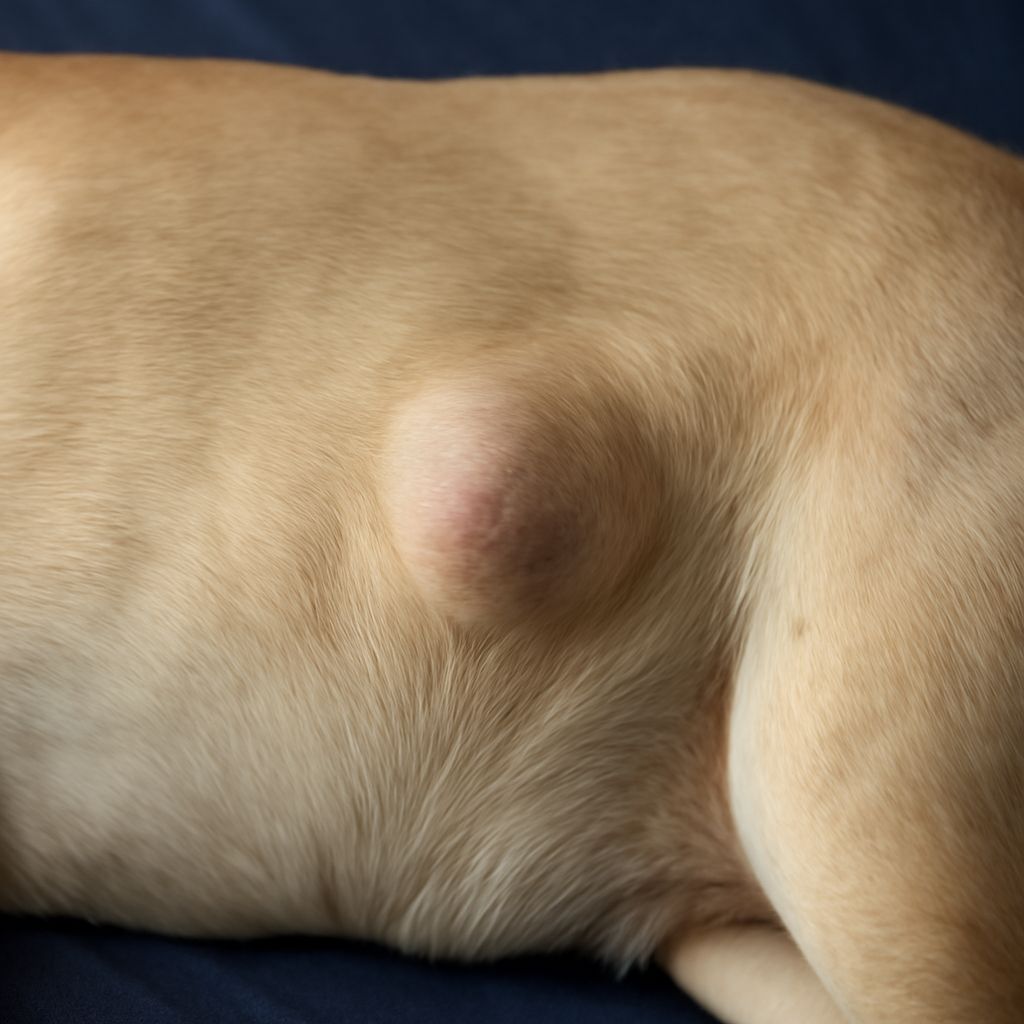
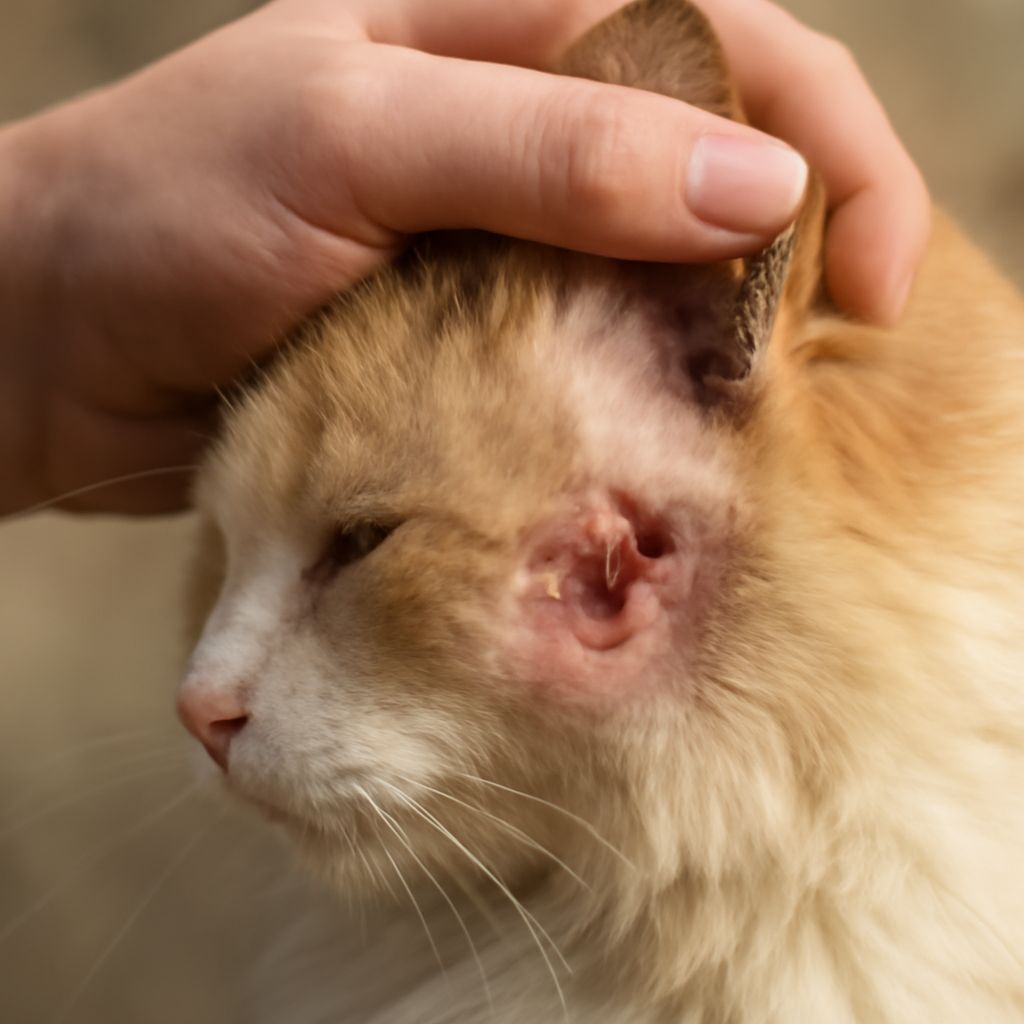
An abscess typically appears as a swollen, firm lump under the skin. The area is often warm and painful when touched. Over time, the center may soften as the pus builds pressure. Some abscesses rupture and drain on their own, releasing thick, often foul-smelling discharge. This provides temporary relief but does not resolve the underlying infection.
Common abscess locations in dogs include bite wounds from other animals, infected tooth roots visible as swelling below the eye or along the jaw, and blocked anal glands. An abscess on the dog neck area can involve a bite wound, a lymph node infection, or, less commonly, a foreign body that migrated under the skin. Neck abscesses need prompt attention because of the structures in that region, including the trachea, esophagus, and major blood vessels described in basic dog neck anatomy.
Home Care Steps Before the Vet Visit
If the abscess has already ruptured and is draining, you can gently clean the area with a saline solution made from one teaspoon of salt per cup of warm water. Use a clean cloth or gauze, wipe away discharge carefully, and keep the area dry between cleanings. Do not pack the wound, apply ointments without veterinary guidance, or attempt to squeeze additional pus out.
Keep your dog from licking the site. An e-collar or a soft recovery collar works well for this purpose. A dog neck brace or recovery collar after a neck-area procedure similarly prevents self-trauma during healing. Monitor the wound every few hours. If the opening closes before the infection clears, the abscess will reform. A veterinarian may need to place a drain to keep the site open during treatment.
Veterinary Treatment for Dog Abscesses
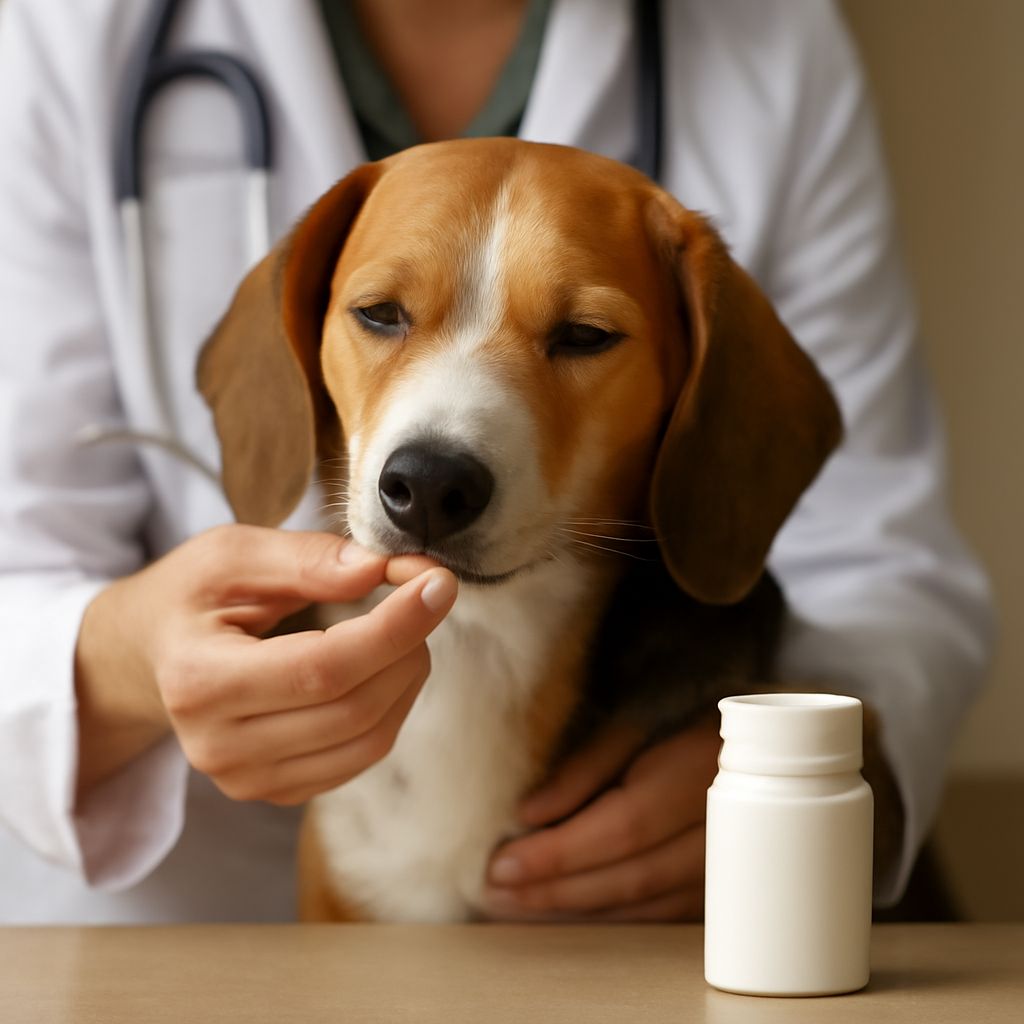
A vet will examine the abscess, lance and flush it if needed, and prescribe antibiotics appropriate for the infection. Culture testing identifies the specific bacteria involved in complex or recurring cases. Tooth root abscesses often require extraction of the affected tooth. Anal gland abscesses need expression, flushing, and sometimes surgical intervention in chronic cases.
Pain relief medication is appropriate during recovery since abscesses are painful. Never give human pain relievers. Follow the full antibiotic course even when the wound looks healed, as stopping early allows resistant bacteria to persist. Schedule a follow-up exam to confirm the infection has cleared completely.