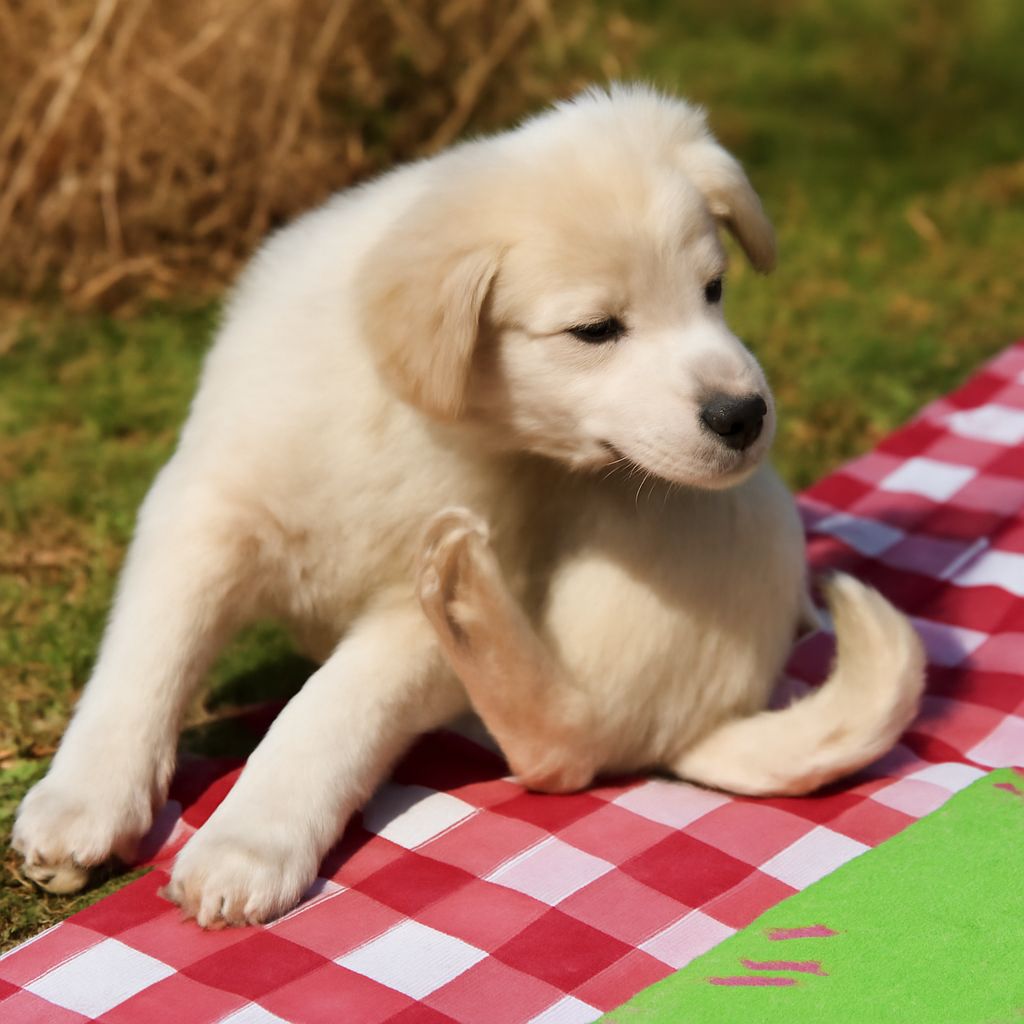
A dog itchy skin home remedy sounds straightforward, but the effectiveness of any approach depends entirely on what is causing the itch in the first place. Home remedies for dog skin allergies itching can provide meaningful relief when the root cause is a mild environmental allergy or minor irritation, but applying the wrong remedy to a bacterial skin infection makes the problem worse. Home remedies for dog itching work best as first-line support while you monitor whether the condition is improving, staying the same, or worsening. A home remedy for dog itching applied once or twice can break the itch-scratch cycle long enough to let the skin barrier begin to recover. Home remedies for dog itching and losing hair require a different level of attention because hair loss signals the scratch has been intense and prolonged enough to damage follicles, which usually means something systemic is at play.
The rule of thumb: if a dog has been scratching for more than a week without improvement, or if the scratching is accompanied by raw skin, open sores, a bad smell, or significant hair loss, a vet visit should replace home management rather than delay it.
Why Your Dog Is Scratching: Common Causes
Allergies and Environmental Triggers
Atopic dermatitis is the most common form of itching in dogs and is driven by environmental allergens: pollen, mold, dust mites, and grass. Dogs with atopy typically scratch at the paws, face, armpits, and groin. The itching is seasonal in mild cases but year-round in severe ones. Food allergies produce a similar distribution of symptoms but do not vary with the seasons. Identifying the type matters because environmental allergy remedies and dietary adjustments are different strategies.
Parasites and Skin Infections
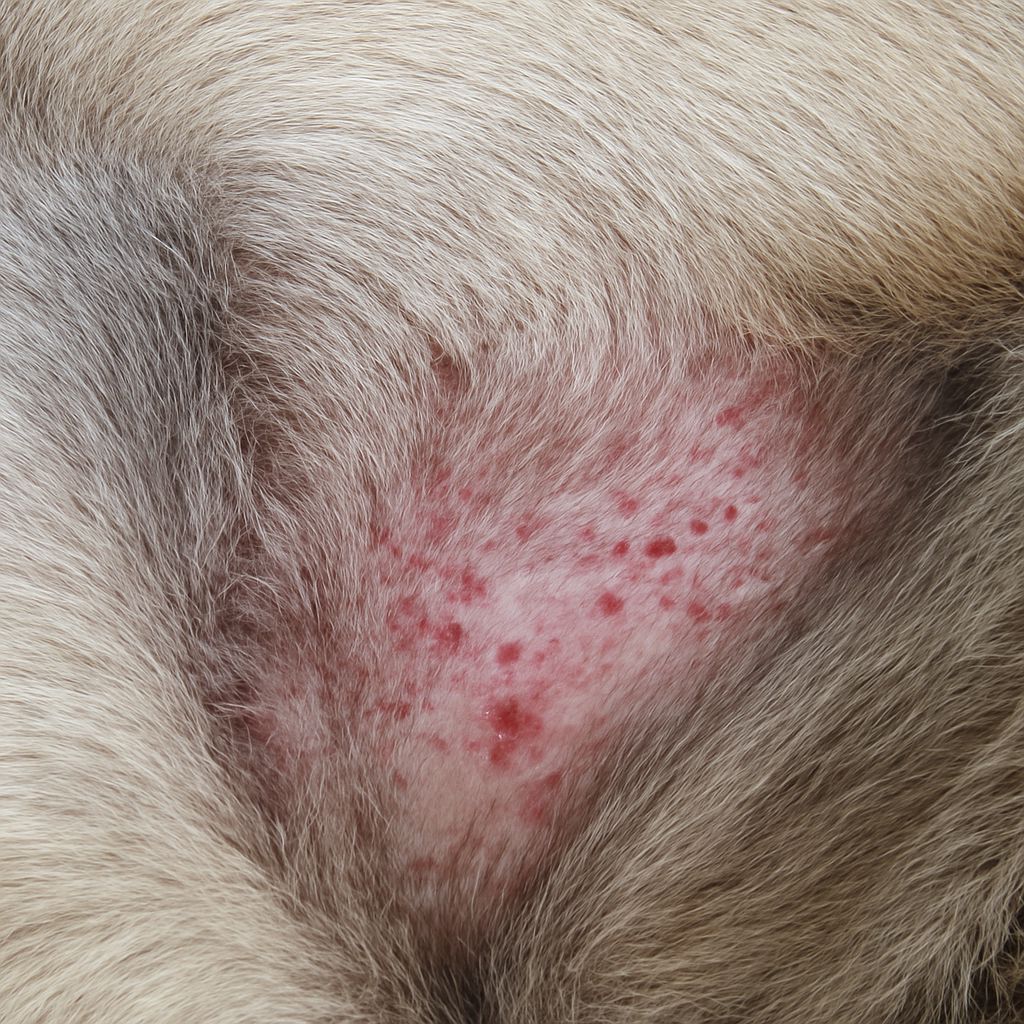
Fleas cause intense itching along the lower back, tail base, and inner thighs, often leaving flea dirt, which looks like tiny black specks, on the skin. Sarcoptic mange produces extreme itching at the ear margins, elbows, and belly. Yeast overgrowth, typically from Malassezia pachydermatis, causes greasy skin, a distinctive musty smell, and reddish-brown staining between the toes. Bacterial pyoderma creates crusty, circular lesions with surrounding hair loss. None of these conditions respond to standard home remedies and require medicated treatment.
Effective Home Remedies for Dog Itching
Oatmeal Baths and Rinses
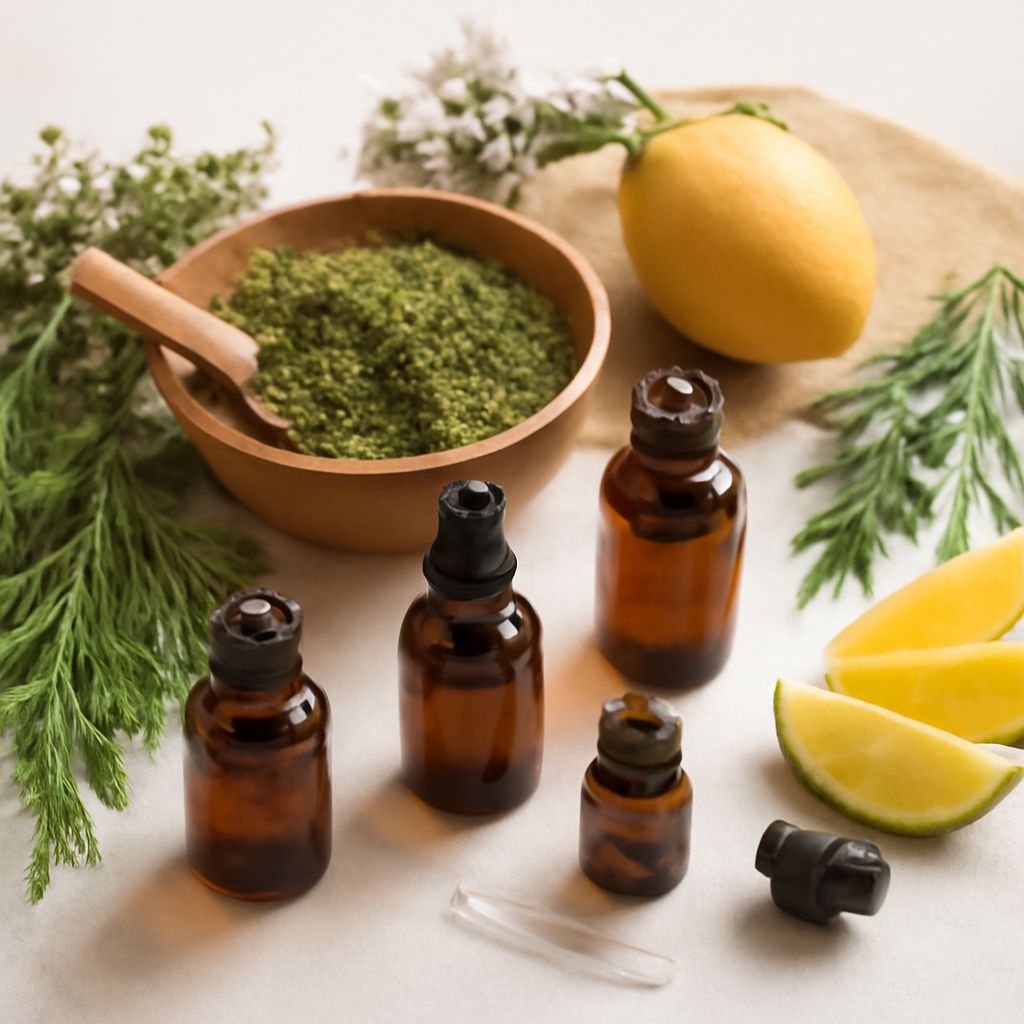
Colloidal oatmeal, ground fine enough to dissolve in water, coats the skin surface and reduces inflammation through its avenanthramide content. Dissolve one cup of finely ground plain oatmeal in a warm bath and let the dog soak for ten minutes. Pat dry rather than rub. This home approach works well for dogs with mild seasonal allergies or contact irritation from grass or outdoor surfaces. Repeat two to three times weekly during high-symptom periods.
Apple Cider Vinegar Spray A fifty-fifty mix of raw apple cider vinegar and water applied to affected skin alters the surface pH and creates a less hospitable environment for yeast and some bacteria. It also reduces itching temporarily through its mild astringent effect. Never apply to broken skin or open sores because the acidity causes pain and delays healing. Spray onto intact skin only, let sit for five minutes, and rinse with clean water.
Coconut Oil for Skin Relief Applying a thin layer of unrefined coconut oil to dry, itchy patches moisturizes the skin barrier and provides mild antibacterial and antifungal benefit. Rub a small amount between your palms to melt it before applying. Use sparingly on the coat because large amounts attract dirt and make the fur greasy. Coconut oil is a short-term supportive measure, not a treatment for underlying allergies.
Baking Soda Paste for Hotspots Mixing baking soda with enough water to form a paste and applying it to a specific itchy patch neutralizes surface acidity and temporarily soothes inflamed skin. Leave on for twenty minutes, then rinse fully. This remedy works for insect bites and minor contact reactions. It is not suitable for use over large body areas or near the eyes and genitals.
When Hair Loss Accompanies the Itching
Hair loss alongside chronic scratching often points to hormonal imbalance, mange, ringworm, or advanced allergic dermatitis. Hypothyroidism causes symmetrical hair loss on the flanks and tail without significant itching, which distinguishes it from allergy-driven hair loss that follows scratch patterns. Ringworm produces circular bald patches with a scaly border that are mildly itchy. None of these respond to home remedies for dog itching and losing hair. A skin scraping, fungal culture, and blood panel are the tools a vet uses to distinguish among these causes.
When Home Remedies Are Not Enough
Contact a vet when the dog scratches to the point of drawing blood, when skin lesions spread rather than improve after three to five days of home care, or when the dog loses appetite or energy alongside the skin symptoms. A vet can prescribe medicated shampoos, topical steroids, antifungals, or antiparasitic treatments that address the root cause rather than masking symptoms. Bottom line: oatmeal, coconut oil, and diluted apple cider vinegar are safe starting points for mild itching, but persistent, spreading, or complicated skin problems need professional diagnosis rather than continued home experimentation.