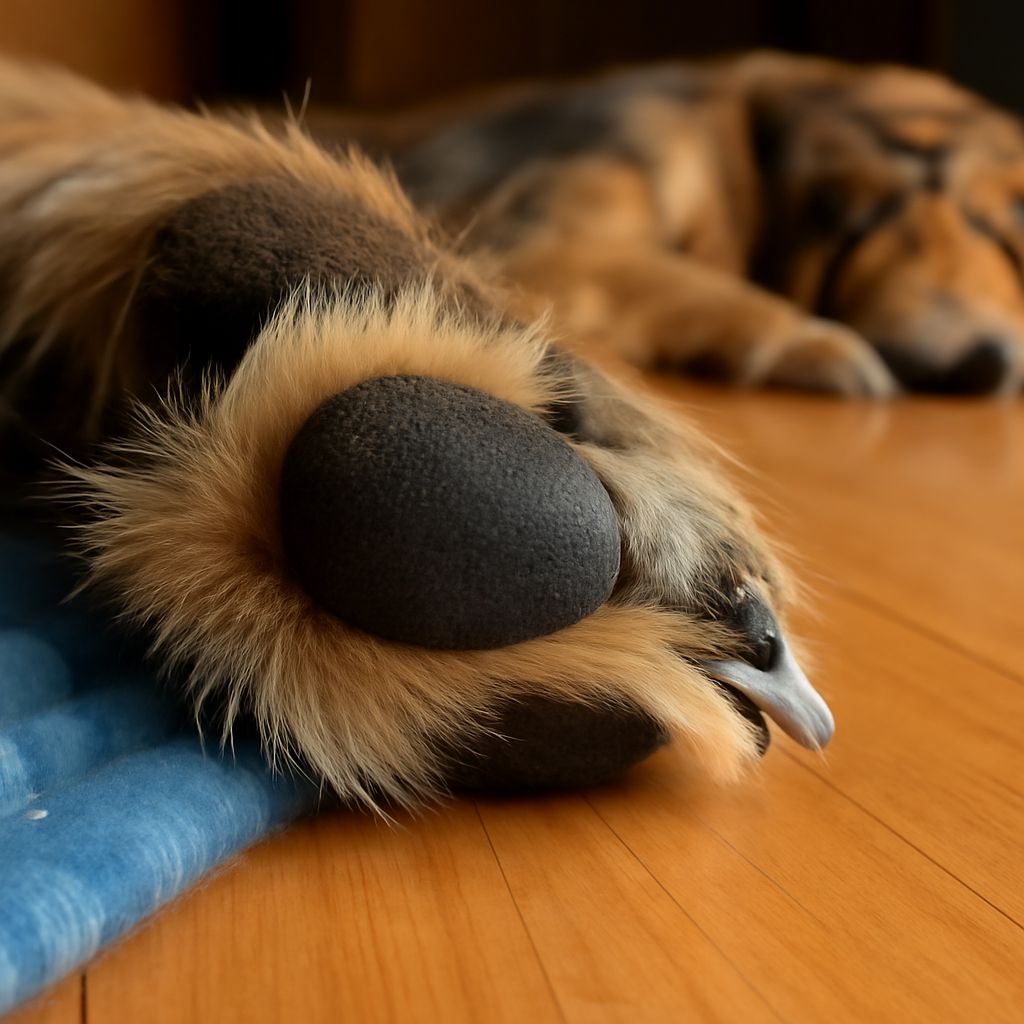
Why does my dog smell like fritos is a question that surprises most owners the first time they notice it, but veterinarians hear it constantly. The corn chip scent is real, consistent, and has a specific biological explanation tied to the microbial communities living on dog skin. My dog smells like fritos because bacteria and yeast, particularly Pseudomonas and Proteus species, produce organic compounds during their normal metabolic activity. These compounds smell like popcorn or corn chips. Dog frito feet is the informal name for this phenomenon, and it is benign in most cases. Frito feet dog treatment is only necessary when odor becomes strong, the skin looks inflamed, or the dog is licking its paws excessively. Dog cataracts natural treatment is a separate topic entirely, but both issues remind owners that dogs need regular hands-on checks to catch problems early.
The corn chip smell comes from moisture trapped between toes combined with bacterial and yeast growth on the skin surface. Every dog carries these microorganisms normally. The odor becomes noticeable when the microbial population grows beyond typical levels, often from excess moisture or reduced airflow between the paw pads.
What Causes Dog Frito Feet
Normal Microbial Flora
Dog skin hosts a diverse community of bacteria and fungi. On the paws, the warm, slightly moist environment between toes creates ideal conditions for organisms like Pseudomonas aeruginosa and Proteus mirabilis. These bacteria release compounds including 2-acetyl-1-pyrroline, the same compound responsible for the aroma of popcorn and basmati rice. A mild corn chip scent from a dog’s paws is normal and requires no intervention.
When Moisture Increases the Smell
Dogs that walk on wet ground, swim frequently, or live in humid climates tend to have stronger paw odor. After wet walks, the frito feet smell intensifies because moisture amplifies bacterial metabolism. Drying paws thoroughly after outdoor time reduces the odor and limits conditions that allow yeast overgrowth.
Frito Feet Dog Treatment Options
When the corn chip odor is strong, the skin between toes appears red or thickened, or the dog bites or licks its paws repeatedly, intervention is appropriate. A veterinarian can confirm whether bacteria, yeast, or both are responsible through a cytology swab. Treatment for bacterial overgrowth typically involves medicated shampoo with chlorhexidine or benzoyl peroxide applied to the paws two to three times per week. Yeast overgrowth responds to antifungal shampoos or mousses containing miconazole or ketoconazole.
At home, keeping paw fur trimmed short reduces moisture retention and improves airflow. Wiping paws with a damp cloth after walks and drying thoroughly between the toes removes environmental bacteria and debris. Dogs prone to recurring paw odor benefit from a weekly dilute chlorhexidine foot soak.
When to See a Veterinarian
A mild corn chip scent from clean paws is not a medical problem. See a veterinarian when the odor is strong despite regular cleaning, when paw skin looks irritated or discolored, when the dog is persistently licking or chewing at its feet, or when you notice swelling or discharge between toes. These signs point toward a secondary infection that needs targeted treatment rather than home care alone. Recurring infections may indicate an underlying allergy that a veterinary dermatologist can help identify and manage.
Key takeaways: A dog smelling like fritos is a normal result of skin bacteria and requires no treatment when mild. Stronger odor with skin changes or excessive licking warrants veterinary assessment. Regular paw drying, fur trimming, and weekly cleaning prevent most cases of significant frito feet from developing.