How many times a day should a dog pee is one of the most practical questions dog owners have, yet the answer varies more than most people expect. The phrase “sicker than a dog” entered the language for a reason, and urinary problems are among the clearest health indicators a dog gives you. How often should a dog pee depends on age, size, diet, and health status, not a single universal number. How long can a dog hold its bladder overnight is a separate concern tied to training stage and anatomy. Hand stripping a dog is a grooming technique with nothing to do with bathroom habits, yet both topics remind us that attentive ownership means paying attention to the full picture of a dog’s daily life.
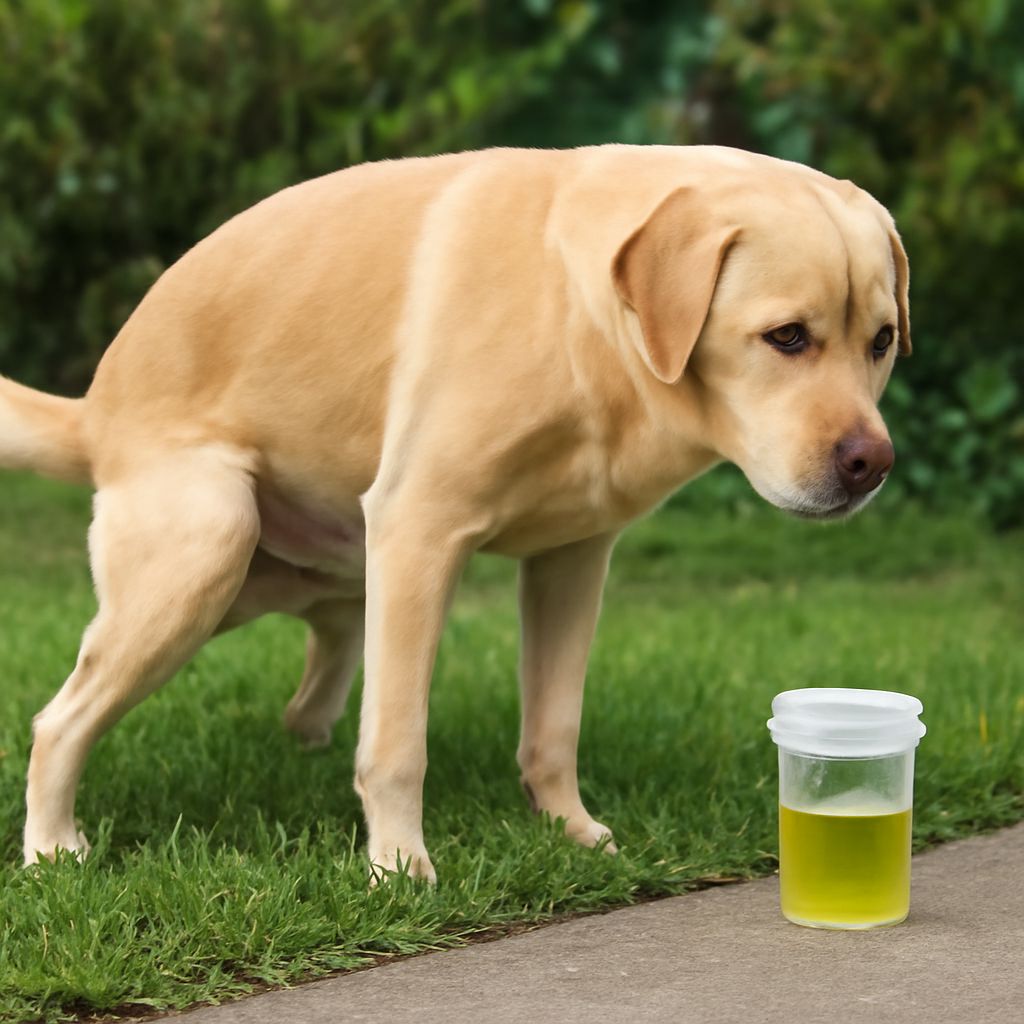
Most adult dogs urinate three to five times per day. Puppies go more frequently, sometimes every one to two hours. Senior dogs often need additional trips due to weakened bladder control or underlying health conditions.
Normal Urination Frequency by Life Stage
Puppies under six months have limited bladder capacity and may need to go outside every hour to two hours during waking time. A general rule for puppies is one hour of bladder control per month of age, up to about eight to ten hours maximum in adult dogs. Adult dogs in good health typically need three to five bathroom trips spread across the day. Senior dogs over eight years often benefit from four to six trips as muscle tone and kidney function change with age.
How Long Can a Dog Hold Its Bladder Overnight
Most healthy adult dogs can hold urine for six to eight hours overnight without distress. Dogs that have been fully house trained and are in good health can sometimes manage ten hours, though this should not be a regular expectation. Bladder infections, diabetes, kidney disease, and medications like corticosteroids reduce holding time significantly. If your dog suddenly needs to go in the middle of the night after previously sleeping through, schedule a veterinary check rather than assuming it is a behavioral issue.
Signs That Urination Frequency Is Off
Urinating more than six times a day, straining to produce only small amounts, blood-tinged urine, or strong odor all suggest a medical problem. These signs combined with lethargy and reduced appetite indicate the dog may be considerably unwell. Increased thirst paired with increased urination points toward diabetes mellitus or Cushing’s disease in dogs, both of which require veterinary diagnosis and management. A dog that leaks urine while resting may have a sphincter control problem treatable with medication.
Accidents and House Training Consistency
A dog that was previously reliable indoors and begins having accidents is more likely experiencing a health issue than a training regression. Treat new indoor urination in an adult dog as a medical concern first. If a full veterinary workup returns normal results, then review the training protocol. Consistent scheduled trips outside, reward-based reinforcement for eliminating outdoors, and supervision or confinement when unsupervised remain the core of reliable house training at any age.
Bottom Line
Adult dogs need three to five bathroom trips daily, with puppies needing more and seniors often needing additional breaks as well. Any sudden change in how often a dog pees, or in the appearance of the urine, deserves prompt veterinary attention. Consistent scheduling and observation are the simplest tools for catching problems early.