Dog protection training is one of the most widely misunderstood areas of canine work. Many owners believe any large, physically imposing dog will naturally protect its family with minimal formal training. That assumption produces dogs that are unreliable in real situations and potentially dangerous in routine ones. Personal protection dog training is a specific discipline that requires clear obedience as a foundation before any protection work begins. Rescue dog training can incorporate some protection elements, but dogs with unknown histories need careful behavioral assessment first. Security dog training for professional deployment is an entirely different level from companion protection work. And dog handler training is a real skill set that owners themselves must develop, not just the dog.
Protection dogs that work reliably are products of structured programs, not aggression alone. Here is what that structure looks like in practice.
What Dog Protection Training Actually Requires
Obedience as the Non-Negotiable Foundation No legitimate protection dog program accepts a dog that lacks reliable off-leash obedience. A dog that will not come when called, sit on command at a distance, or stop an action immediately on cue is not a safe candidate for bite work or protection training. Every credible personal protection dog trainer requires a dog to pass an obedience evaluation before beginning any alert or apprehension work.
This means that before your dog learns to bark on command at a threat, it needs to hold a down-stay reliably for two minutes, recall away from distractions, and walk calmly on a loose leash. Build these skills first through consistent positive reinforcement with a certified trainer.
Temperament Evaluation
Not every dog is a good candidate for protection work regardless of breed. Ideal protection dogs have confident, stable temperaments. They are not fearful, overly reactive, or anxious. A dog that bites out of fear rather than confidence is unpredictable and genuinely dangerous. A licensed evaluator can assess whether your dog’s drive levels and nerves are appropriate for the type of training you are considering.
Personal Protection vs. Security Dog Training
A personal protection dog trained for a private owner operates in family environments. It needs to be safe around children, guests, and public spaces while also being able to respond to a genuine threat. This requires hundreds of hours of structured work and ongoing maintenance training throughout the dog’s life.
Security dog training for commercial or law enforcement contexts operates under different standards. These dogs work specific shifts with trained handlers, are evaluated regularly, and are retired when their performance declines. The expectations, oversight, and liability framework are entirely different from companion protection work.
Finding Qualified Dog Handler Training
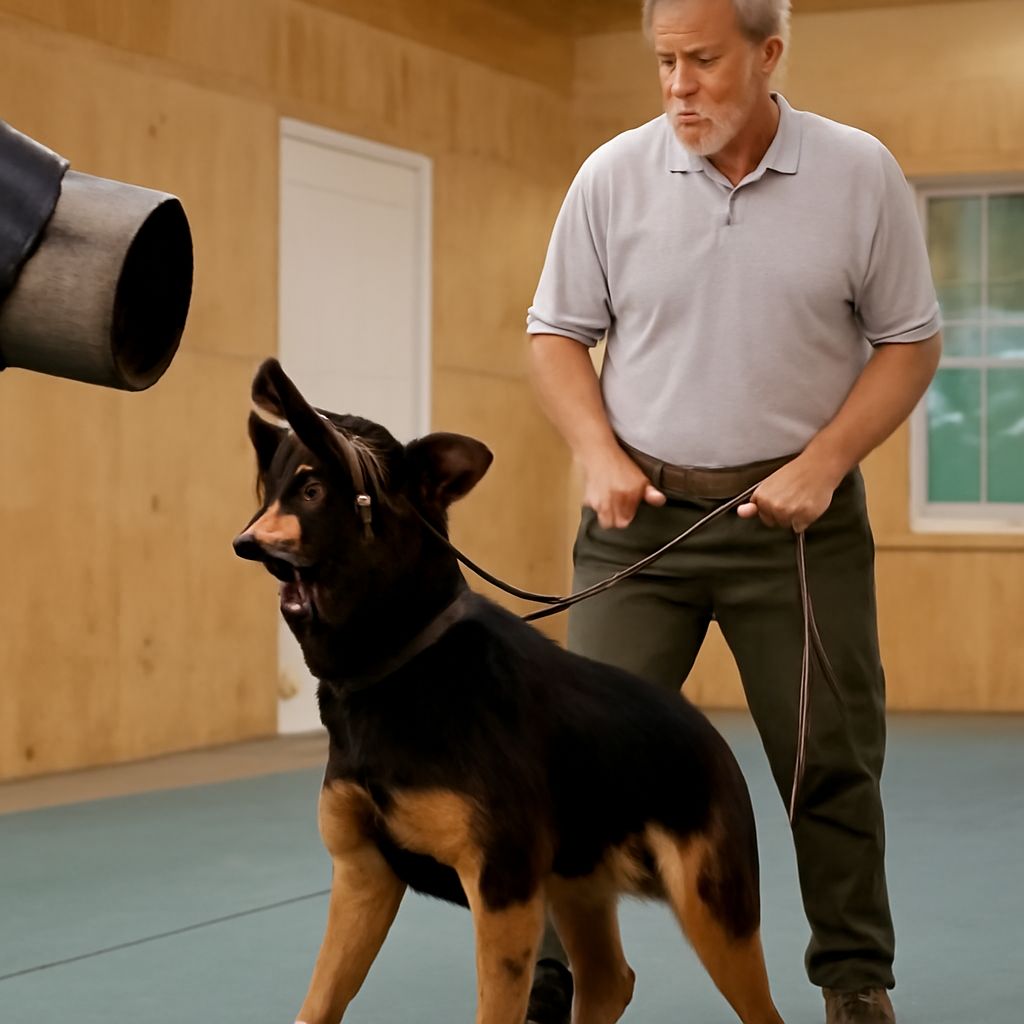
Handler training is as important as the dog’s training. A handler who does not read their dog correctly, gives inconsistent commands, or fails to maintain the dog’s skill set through practice undermines everything the dog has learned. Quality dog handler programs teach leash mechanics, reading canine body language, command consistency, and how to manage a protection dog in public.
Look for trainers with verifiable credentials from recognized organizations such as Schutzhund (IPO/IGP) clubs, police K9 associations, or certification bodies that use standardized testing. Avoid anyone who promises results in a short timeline without discussing the dog’s temperament or your role as handler. Protection dog work is a long-term commitment for both you and your dog, and cutting corners in the training process creates liability you cannot undo.