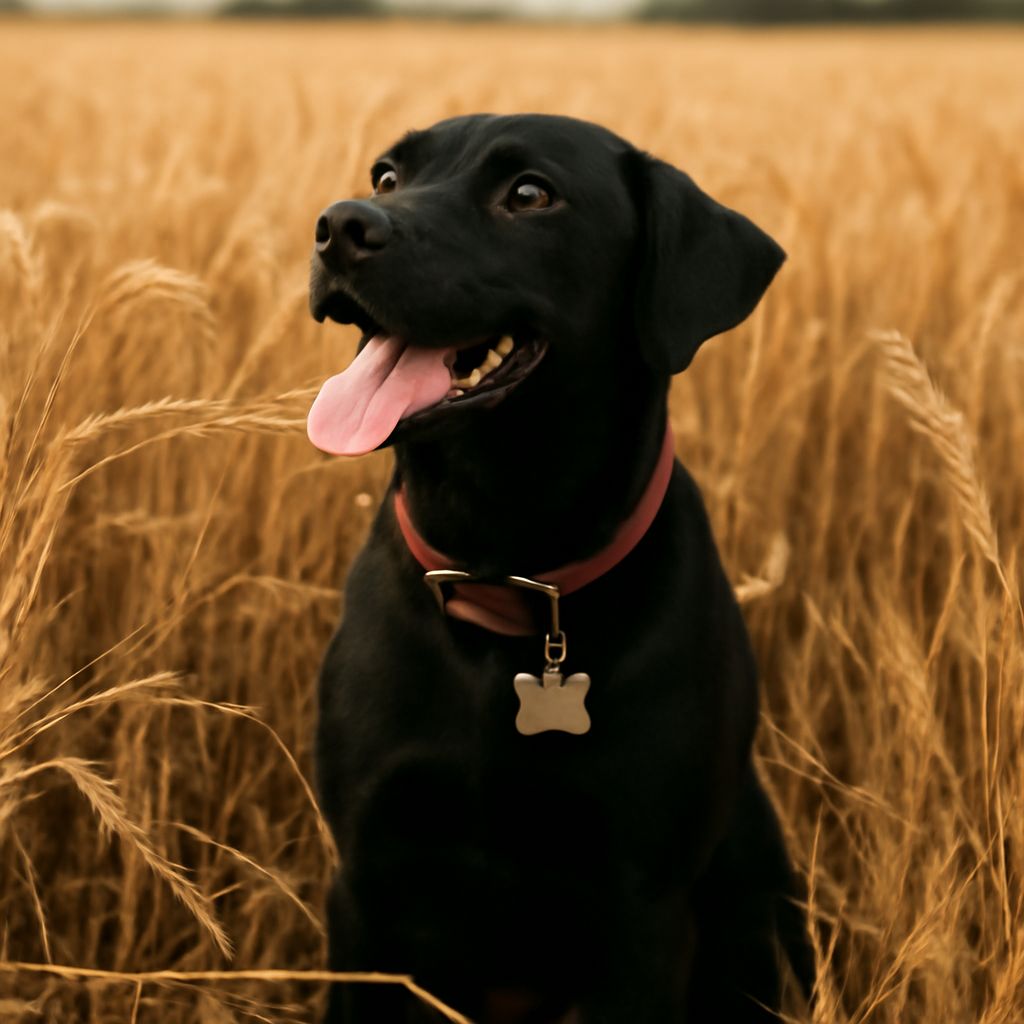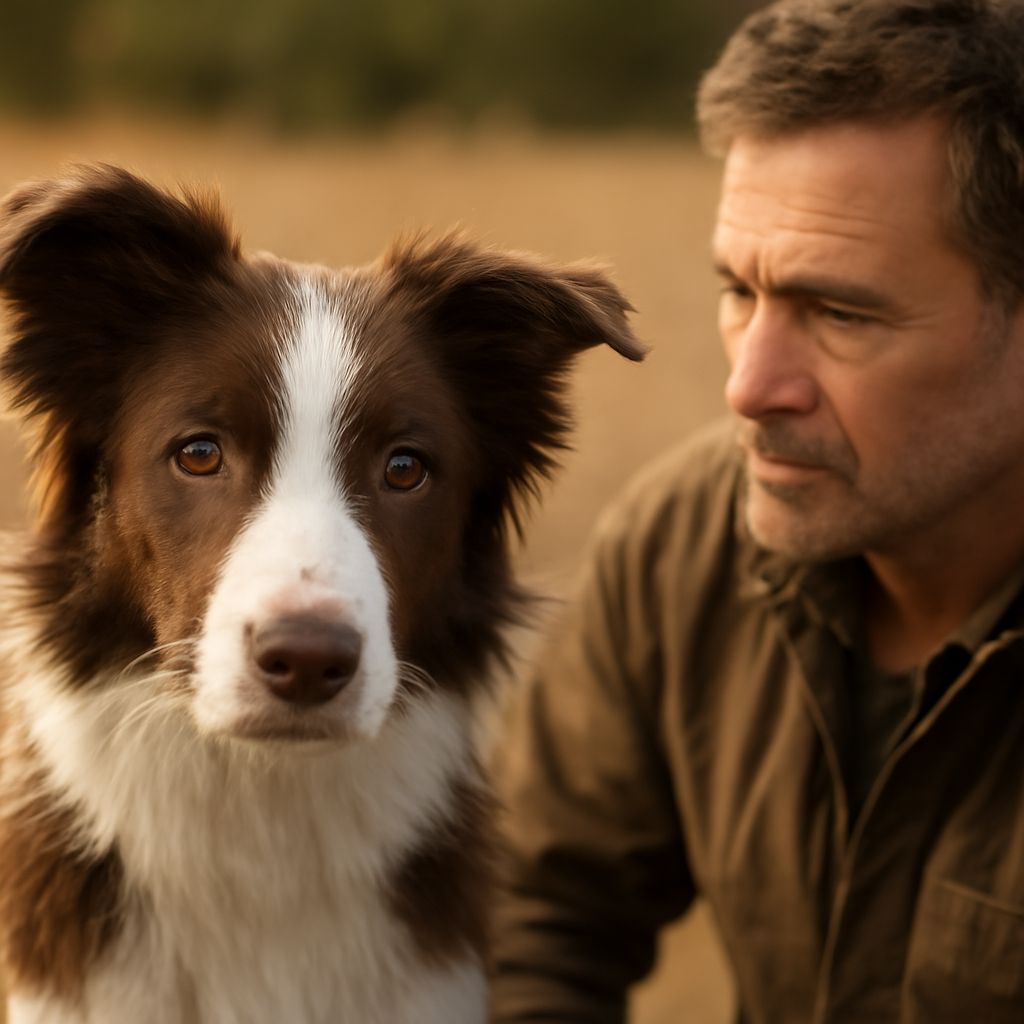
Buck the dog isn’t a specific breed — it’s a name that appears in hunting culture, pop culture, and casual conversation, but it doesn’t refer to a single animal or type. Many people assume it’s shorthand for a buckdog breed or a specific hunting line, but that’s not accurate. A counter surfing dog named Buck is just a dog with a bad habit and a common name. Understanding what drives behaviors like counter surfing or field work matters far more than the name.
What’s worth knowing is the bird dog connection. The bird dog is a working category of dogs bred for pointing, flushing, or retrieving game birds. Dogs in this group — setters, spaniels, pointers, retrievers — share a high prey drive, excellent scent tracking, and stamina that makes them challenging as house pets without proper outlets. Happy the dog in a bird dog breed without enough exercise isn’t a calm companion. Dog eye drops over the counter can address minor eye irritation common in field dogs after outdoor exposure, but behavioral needs require more than first aid.
Counter Surfing: Why Dogs Do It and How to Stop It
A counter surfing dog raids kitchen surfaces for food. The behavior is self-reinforcing — find food once, repeat the behavior forever. Breeds with longer legs, higher curiosity, and strong food motivation are most prone: Labrador Retrievers, Weimaraners, and many bird dog types top the list.
Management comes first. Keep counters clear of food. Use baby gates to restrict kitchen access when unsupervised. For training, teach a solid “off” cue and reward four-paws-on-the-floor consistently. Dogs that surface-surf due to anxiety or boredom need more exercise and mental stimulation — puzzle feeders, nose work, and long walks address the root cause rather than just the symptom.
The Bird Dog in a Home Environment
A dog bred for field work brings specific traits into home life. High energy, a strong retrieve instinct, and sensitivity to environmental stimuli are typical. The classic bird dog is not a couch dog by default, though many adapt well when their needs are met.
Daily exercise should be vigorous — an hour or more of running, fetch, or structured play. Obedience training grounds these dogs and gives their intelligence a productive outlet. Field dogs also tend to be people-oriented and do poorly with long isolation. If dog eye drops over the counter are needed after field exposure, choose saline-based products appropriate for canine use, and consult a vet if irritation persists beyond 24 hours.
Happy the Dog: What Fulfillment Looks Like
A happy dog — regardless of name — shows it through consistent behavior. Relaxed body posture, appropriate play engagement, and reliable responses to cues all signal a well-adjusted animal. Buck, a counter surfing dog left to his own devices, isn’t a bad dog — he’s an under-stimulated one. Happy results from meeting needs: exercise, structure, social contact, and predictable routines.
Bird dog breeds thrive with owners who want an active partner. Fetch, hiking, dock diving, and field work all satisfy the instincts these dogs carry. Matching a dog’s breed profile to your lifestyle is the most reliable path to a genuinely happy the dog — whatever you decide to name them.