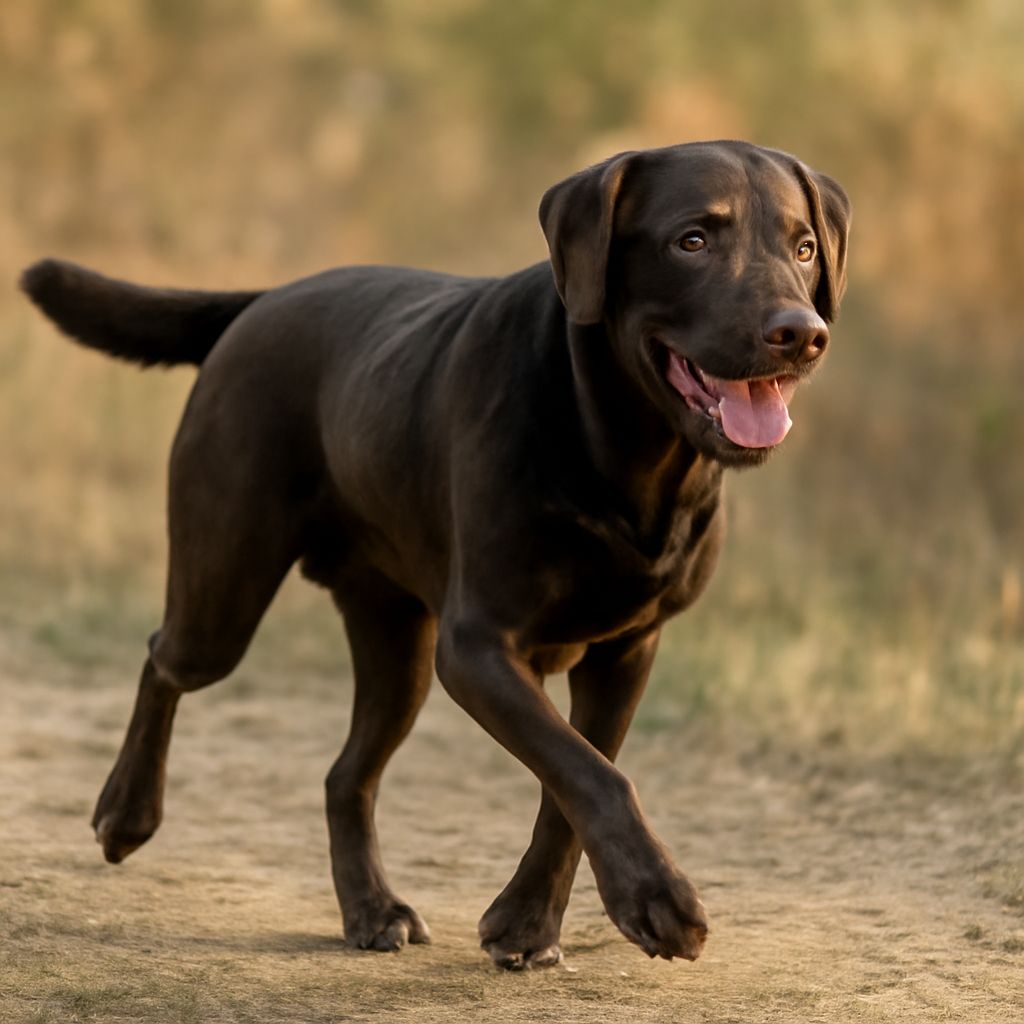
A dog limping back leg is one of the more common reasons owners make unplanned vet visits, yet many initially try to wait out the problem at home. Dog back leg limping ranges from a minor soft tissue strain that resolves in a day or two to a serious orthopedic or neurological issue that worsens without treatment. The underlying cause determines everything about how you should respond. My dog is limping on back leg and showing no other symptoms is a different situation than a dog that cries on touch, refuses to bear weight, or has a visibly swollen joint. Dog limping hind leg in older animals often signals arthritis or hip dysplasia, while the same symptom in a young active dog more commonly points to injury. My dog is limping on her back leg after strenuous play most likely means soft tissue involvement, but this should still be assessed properly.
The persistent myth here is that limping always indicates a broken bone or that dogs hide pain so well you cannot judge severity. In reality, dogs show pain through behavioral changes, posture shifts, and weight distribution, all of which give owners useful information even before a vet examination.
Common Causes of Hind Leg Limping
Cruciate ligament tears are the most frequent orthopedic injury causing rear leg lameness in medium and large dogs. The cranial cruciate ligament stabilizes the stifle joint, and when it tears partially or fully, the dog shifts weight off that leg immediately. The affected limb may swing forward in an abnormal arc during walking. Palpation of a drawer sign, forward movement of the shin bone relative to the thigh, confirms the injury and requires veterinary assessment. This injury does not resolve on its own; it typically requires surgical repair for full recovery.
Patellar luxation affects smaller breeds more often. The kneecap slips out of its groove, causing the dog to hold the leg up briefly before it pops back and normal gait resumes. Owners sometimes see an intermittent skip or hop rather than a constant limp. Mild cases are managed with monitoring and controlled exercise. Severe or frequent luxation needs surgical correction.
Assessment Steps Before the Vet Visit
Observe the dog walking on a flat surface. Note which leg is affected, whether the dog bears any weight, and whether the limp is constant or intermittent. Gently feel along the limb from the hip to the paw, applying light pressure to each joint. Stop if the dog reacts sharply. Check the paw pads for cuts, embedded objects, or swelling between the toes. A thorn or piece of glass in the pad produces sudden rear limb lameness that looks identical to a joint injury on initial observation.
When to Go to the Vet Immediately
Seek veterinary care the same day if the dog refuses to put any weight on the leg, if there is visible swelling or deformity at a joint, if the dog vocalizes when the limb is touched, or if the limping appeared immediately after a collision or fall. Older dogs with new onset hind leg weakness that is not purely related to a single limb need evaluation for spinal issues, particularly intervertebral disc disease, which can present similarly to limb injury.
Bottom line: Dog limping hind leg symptoms should be observed carefully before deciding on a wait-and-see approach. Minor soft tissue injuries often improve with forty-eight hours of rest and restricted activity. Persistent lameness beyond two days, non-weight-bearing limping, or visible joint changes require prompt professional evaluation.