The phrase best birds for pets circulates in every beginner bird forum, but what qualifies a species as “best” depends entirely on the owner’s living situation, noise tolerance, time availability, and experience level. One person’s ideal companion is another’s noise complaint. The best pet bird for a single apartment dweller with eight hours of work away from home is different from the ideal bird for a retired person who wants an interactive companion all day. Lists of good pet birds often prioritize availability and price over behavioral fit, which sets up new owners for frustration. When people search for best birds as pets, they typically want a single answer, but the honest reply requires a few clarifying questions first. And the search for the best bird for pet ownership should also account for lifespan, since some species outlive the owner’s capacity to care for them.
Below is a realistic breakdown of species that work well in different household types, with accurate information about what each one requires day to day.
Small Birds with Manageable Demands
Budgerigars
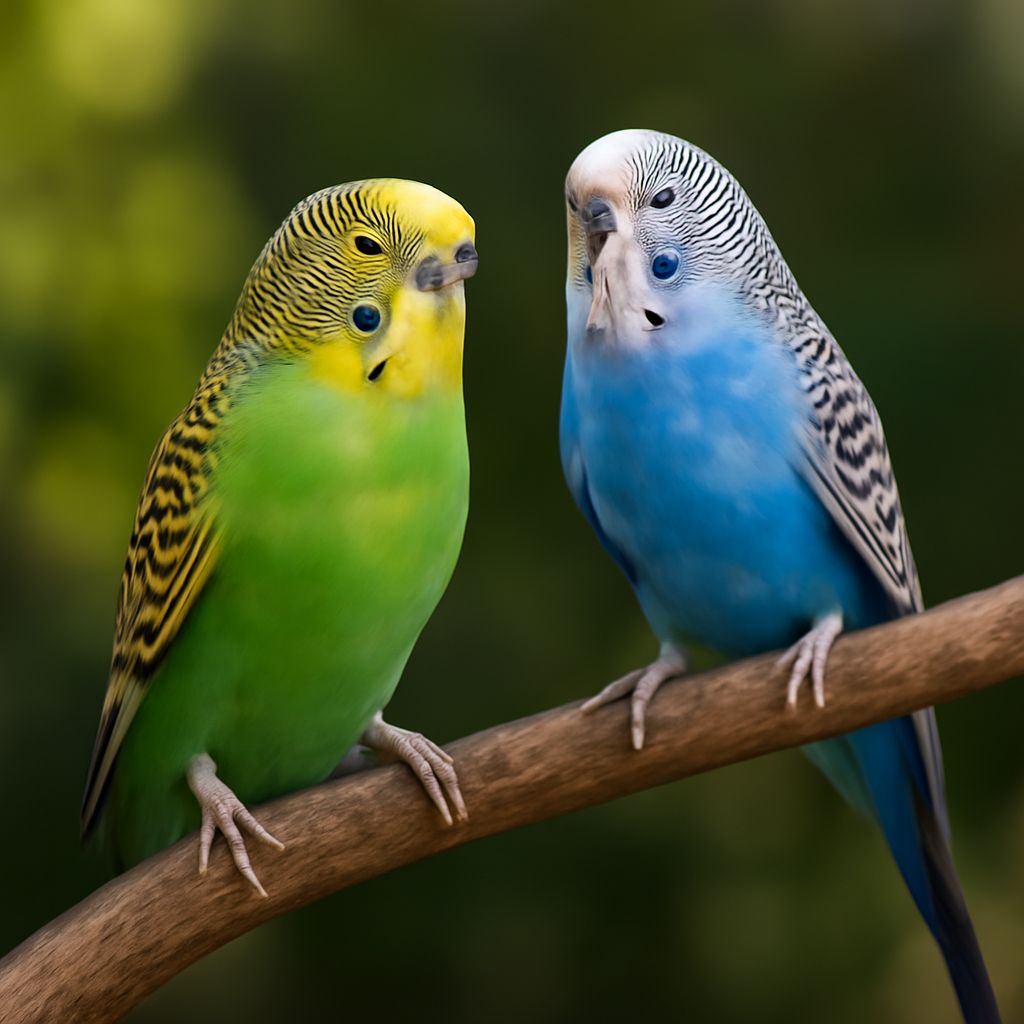
Budgies are among the most widely kept pet birds worldwide, and for good reason. They are small enough for a standard apartment, produce moderate noise, and can learn dozens of words with consistent training. They need at minimum a cage large enough for flight within the enclosure, fresh water and food daily, and at least one to two hours of interaction or supervised out-of-cage time per day. Budgies kept in pairs require less constant owner interaction but remain social and active. Lifespan runs 7 to 15 years with good care.
Cockatiels
Cockatiels are the best middle-ground choice between a very small bird and a large parrot. They whistle and mimic short phrases rather than producing the loud shrieks of larger parrots. They adapt well to owners who work regular hours, as long as morning and evening interaction is consistent. Cockatiels can live 15 to 25 years in captivity. A hand-raised bird purchased from a reputable breeder adjusts to handling far faster than a parent-raised one purchased from a general pet retail chain.
Medium Birds for More Interactive Households
Conures
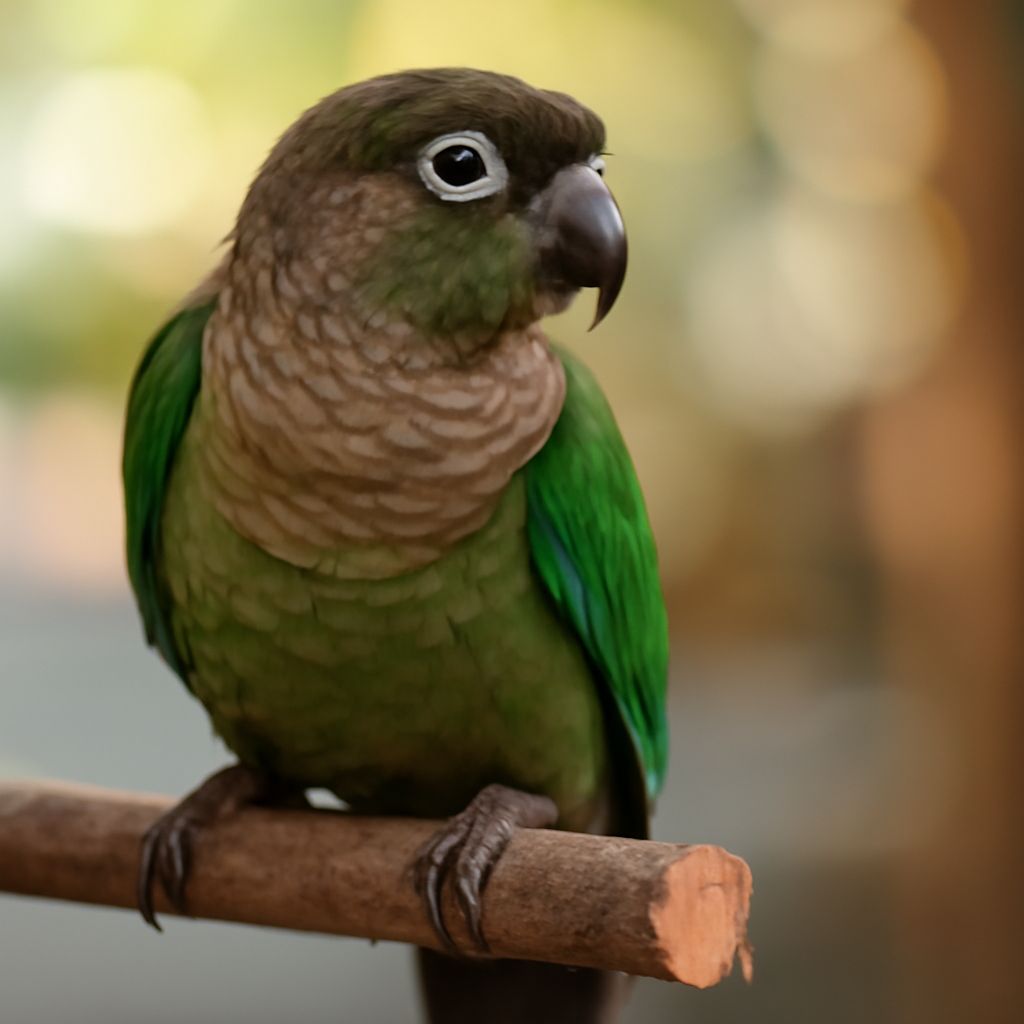
Conures are louder than cockatiels but more interactive and playful. Sun conures rank among the highest-noise pet birds and are poor choices for apartment living or noise-sensitive households. Green cheek conures produce far less volume and are a better urban option. Both types need several hours of daily interaction and tolerate boredom poorly. A bored conure feather-picks, screams, or becomes aggressive. These are intelligent birds that need puzzle feeders, foraging opportunities, and genuine engagement.
Caiques
Caiques are active, comical, and energetic birds that suit experienced owners. They play hard, can be nippy when overstimulated, and need a large flight cage. Their moderate noise level makes them a reasonable option for owners wanting a medium-sized companion without the volume of a conure.
Lifespan and Long-Term Commitment
African grey parrots, macaws, and cockatoos can live 50 to 80 years. Buying one of these species is a multi-decade commitment. Many end up in rescue organizations because original owners underestimated this. Research average lifespan before purchase and make a realistic plan for who would provide care if the owner is no longer able to do so. This is not a minor consideration. It shapes whether a given species is a responsible choice for a specific buyer.
A reputable avian veterinarian can assess any newly acquired bird and flag health or behavioral issues early, before they become harder to manage. Annual wellness exams with an avian-certified vet are standard practice for responsible bird ownership.