Urban dog owners face a real challenge: limited outdoor space and high-density living leave little room for off-leash exercise. A dog playground solves that gap, but not every owner knows what to look for or where to find one. The idea that city dogs can get enough exercise on-leash is false for most breeds. Off-leash running, social play, and free movement are essential for physical and mental health.
Many owners also assume that black dog rescue organizations only focus on finding homes, but many of these groups actively lobby for better dog yard and green space access in urban areas. Dog rental services, where you borrow a dog for an outing, are another city trend worth knowing about. And pets in the city face unique stressors, from noise to crowding, that make access to proper play space even more important.
Types of Dog Playground Spaces in Cities
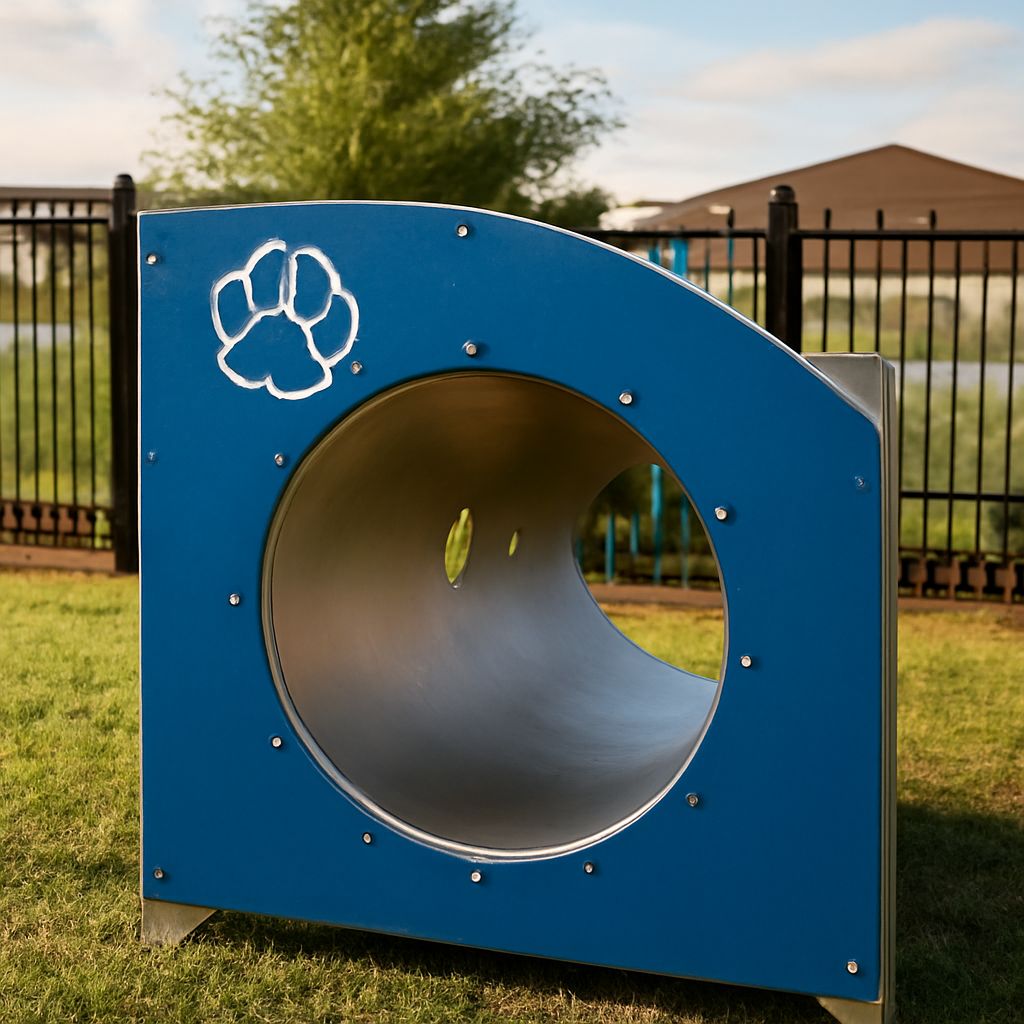
Urban dog play areas come in several formats. Dedicated off-leash dog parks with fencing are the most common. Many cities now divide these spaces by dog size, keeping small breeds separate from large ones. Some parks include agility equipment, water stations, and shaded rest areas.
Public Dog Parks
Most city parks departments manage at least one off-leash zone. These are free to access and open to all dogs with current vaccinations. Check local municipal websites for locations, hours, and any permit requirements. Some cities require annual registration tags for dogs using public dog playgrounds.
Private Indoor Dog Play Facilities
Indoor play spaces charge a daily or membership fee but offer climate control and supervision. Staff typically monitor play and intervene if conflicts arise. These facilities are worth the cost for dogs that overheat easily or owners in regions with harsh winters. A well-run indoor dog yard facility also provides socialization in a controlled setting.
Apartment Building Amenities
Newer urban residential buildings increasingly include rooftop or ground-level dog runs. These are a practical alternative for residents who live far from public parks. If your building lacks one, raising it with property management as a tenant group is often effective.
Keeping City Dogs Clean After Play
Dogs coming back from dog playground visits need a consistent cleanup routine. Paws pick up bacteria, chemicals from treated surfaces, and general grime. A quick paw wipe at the door with a damp cloth or pet-safe wipe removes most surface debris. Full baths are not necessary after every outing, but regular rinsing of paws is good hygiene practice.
Dogs using shared play spaces are also exposed to parasites and contagious conditions. Keep vaccinations current and discuss parasite prevention with your vet, especially if your dog visits high-traffic urban play areas regularly. Black dog rescue staff and shelter workers recommend annual wellness checks that include fecal parasite screening for dogs with regular park access.
For pets in the city, managing cleanliness also means checking fur for debris, burrs, or anything picked up in shared spaces. A quick brush-out after visits to a communal dog yard keeps coat health in check and gives you a chance to spot any skin issues early.