Thoughts of dog ownership often center on the joyful moments, walks, play, and quiet evenings at home. But the practical side involves reading your dog’s body language and physical signals accurately. A dog loses use of back legs temporarily in conditions ranging from a pinched nerve to a transient ischemic event, and knowing the difference between a minor stumble and a neurological emergency matters. Can you use a human pregnancy test on a dog is a question that comes up for owners of intact females, and the answer is a clear no: the hormones involved are different between species. A dog keeps looking at back end behavior often signals anal gland discomfort, skin irritation, or a tail injury. Can you use a regular dremel on dog nails is a grooming question with a practical yes, provided you use the right attachment and take proper precautions.
Reading Back Leg and Rear-End Signals
Temporary Hind Leg Weakness A dog that momentarily loses hind leg function needs immediate evaluation. Brief weakness that resolves in seconds can indicate a nerve impingement from lying in an odd position, but recurrent episodes suggest intervertebral disc disease, degenerative myelopathy, or vascular issues. Note the duration, whether the dog was moving or resting when it happened, and whether one or both legs were affected. Bring this information to your veterinarian. Do not wait several days to see if it resolves on its own, particularly in older dogs or chondrodystrophic breeds like dachshunds and corgis.
Why Dogs Look at Their Back End
A dog that repeatedly glances at or scoots on its rear is usually responding to anal gland fullness or impaction. Full anal glands cause a nagging discomfort that dogs try to relieve by dragging or turning to bite at the area. Other causes include flea irritation along the tail base, a skin infection, or a wound hidden by the coat. Check the area visually, part the fur, and look for redness, swelling, or discharge. A groomer can express anal glands as a routine service; a veterinarian should handle impacted or infected glands.
Grooming Tools: Using a Dremel on Dog Nails
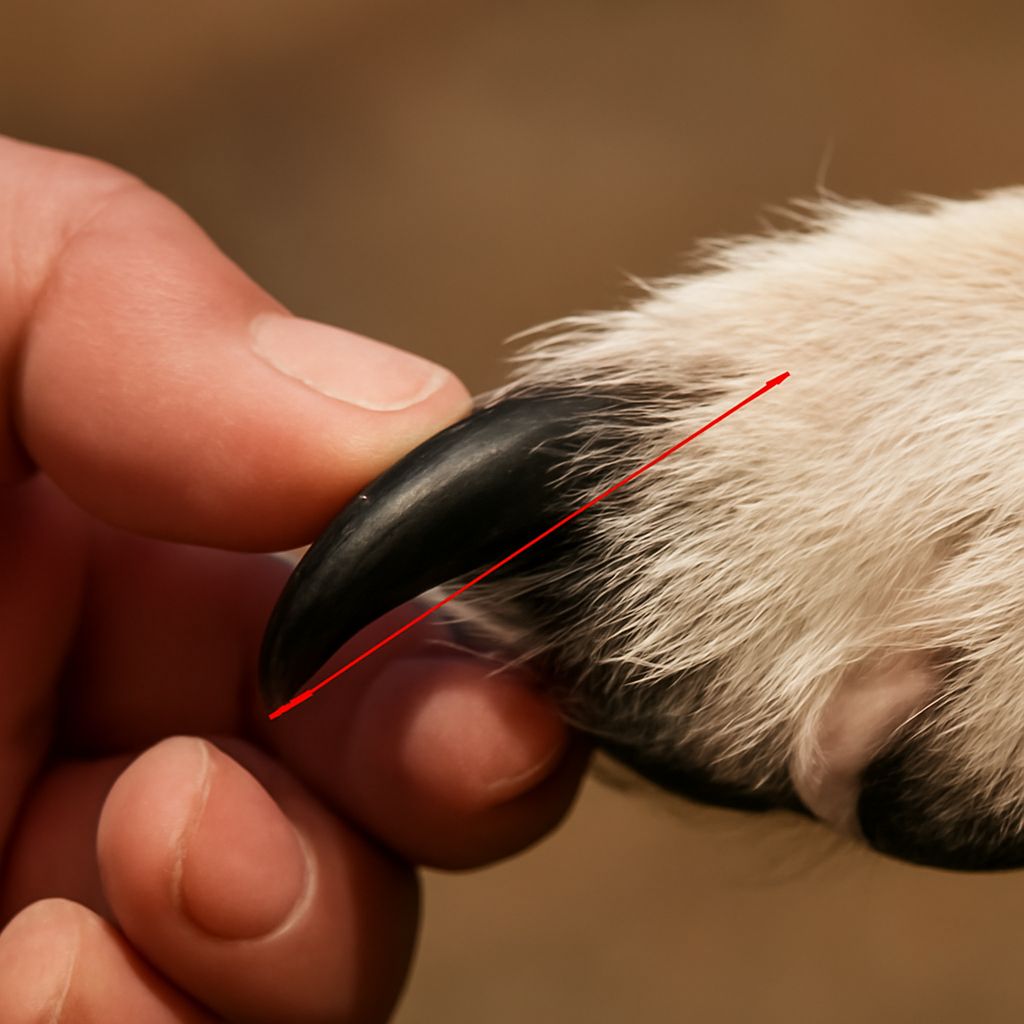
A standard rotary tool with a sanding drum attachment works well for dog nail maintenance. The key is using the correct grit and keeping sessions short. Coarse grits remove material fast and can overheat the nail; medium grits are safer for weekly maintenance. Keep the tool moving constantly rather than holding it in one spot. Introduce the sound and vibration gradually to dogs unfamiliar with the tool. Start with one or two nails per session and build from there. Dogs with dark nails require more caution because the quick is not visible; grind in small increments and watch for a darker circle appearing in the nail center, which signals you are near the quick.
Bottom line: Recognizing early signs of hind leg trouble or rear-end discomfort gives your dog a better outcome with prompt veterinary attention. Grooming with a rotary nail tool is safe when introduced slowly and used correctly. When any symptom is new, recurring, or worsening, a vet exam is the right first step.