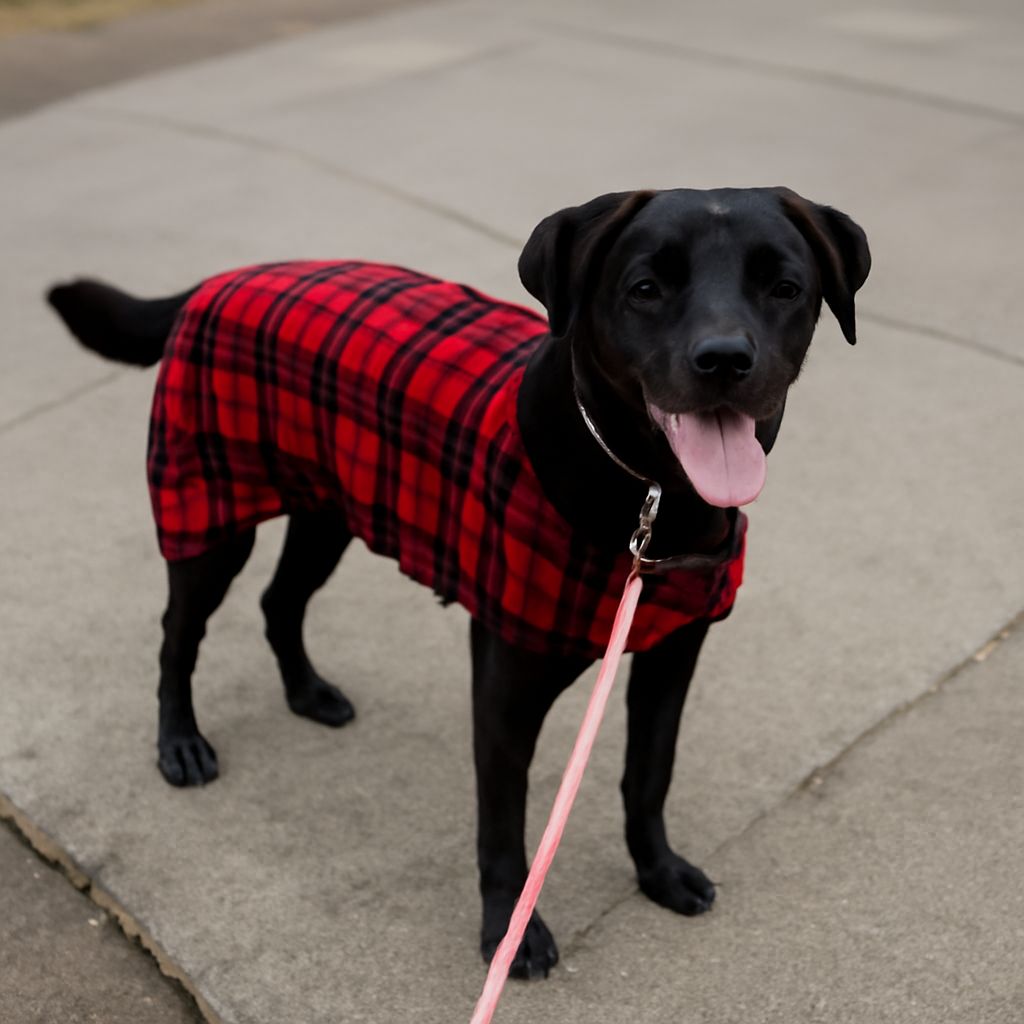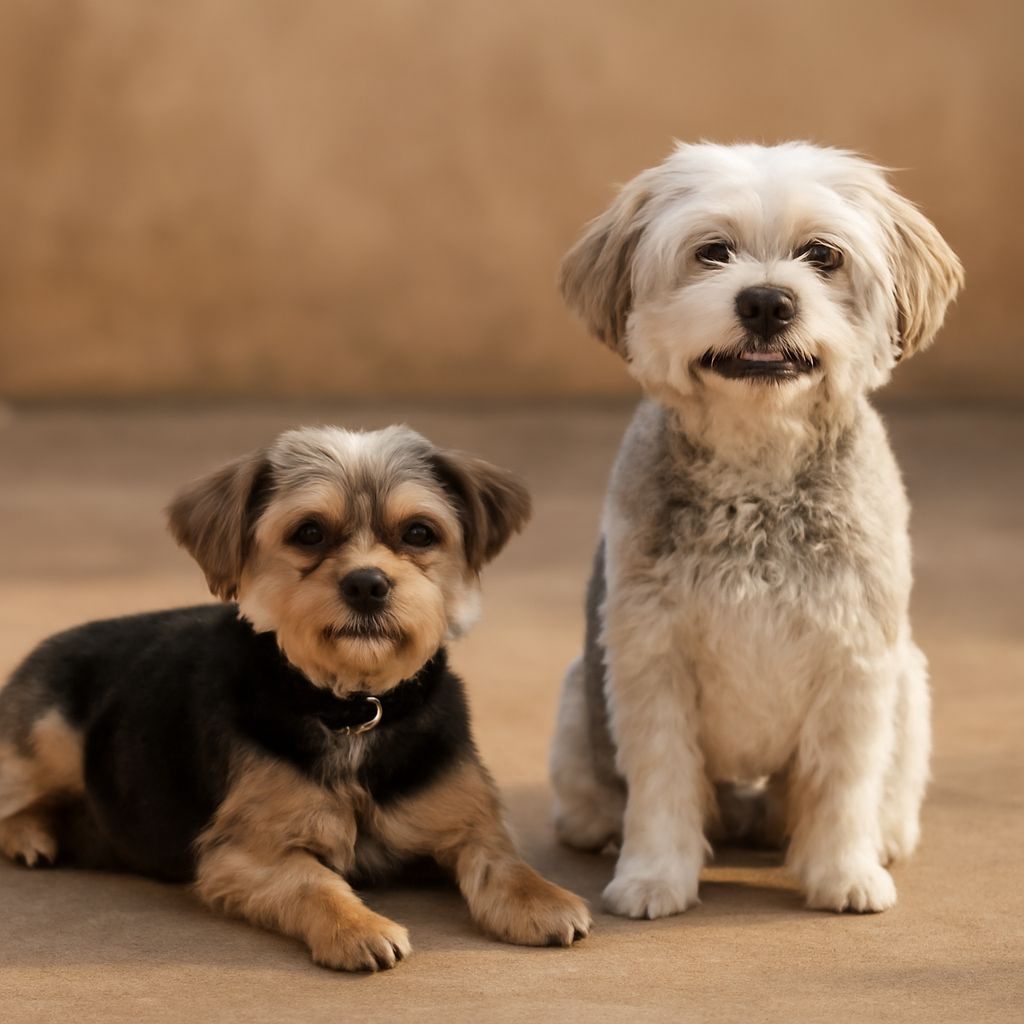
Finding the best dog conditioner sounds simple until you see how many options exist, each claiming to fix a different problem. Most owners assume any conditioning product will do, but coat type and skin sensitivity change what works. The best pet supplies for coat care are not always the most expensive or the most popular. Best dog memes aside, the reality of dog grooming is hands-on and requires understanding your specific breed’s needs. The best companion dog tends to have a thick double coat or a wiry texture that benefits most from leave-in or rinse-out conditioning treatments. Best mammal pets lists often overlook the grooming commitment that comes with a dog’s coat, which can be substantial depending on the breed.
What Makes a Good Dog Conditioner?
Ingredients That Actually Help
A useful canine conditioner contains ingredients that address moisture retention, detangling, and skin balance. Look for oat extract, aloe vera, or coconut-derived compounds in the ingredient list. Avoid products with artificial fragrances or alcohol high on the ingredient list, as these can dry out the skin and coat over time. pH-balanced formulas designed specifically for dogs are a better choice than human products, which are formulated for a different skin pH.
Rinse-Out Versus Leave-In Options Rinse-out conditioners work well for dogs bathed regularly, usually every two to six weeks depending on breed and lifestyle. They add softness and make brushing easier after the bath. Leave-in conditioning sprays are useful for daily or weekly brushing sessions between baths. They reduce static, add slip to the coat, and help separate tangles without pulling. Dogs with fine, single-layer coats need lighter formulas than those with thick double coats, which require more product to penetrate fully.
Coat Care Tools and Supplies
A conditioner works best when paired with the right brush. Slicker brushes handle most coat types for detangling. Undercoat rakes pull loose fur from dense double coats before a bath, reducing the amount that ends up in drains and on furniture. A wide-tooth comb finishes the process by checking for remaining tangles before the coat dries. Good grooming tools are among the most useful pet supplies an owner can invest in, and quality versions last for years.
Breeds known for being good companion animals, such as golden retrievers, cocker spaniels, and poodle mixes, typically need more frequent conditioning than short-coated breeds. Their longer coats mat quickly without regular maintenance. If your dog’s coat is severely matted, consult a professional groomer rather than attempting to detangle at home, as cutting through dense mats can cause skin injuries.
Key takeaways: Choose a dog conditioner matched to your breed’s coat type and avoid human hair products. Pair conditioning with the right tools for best results. For severe coat damage or matting, a professional groomer is the appropriate resource, not a home remedy.