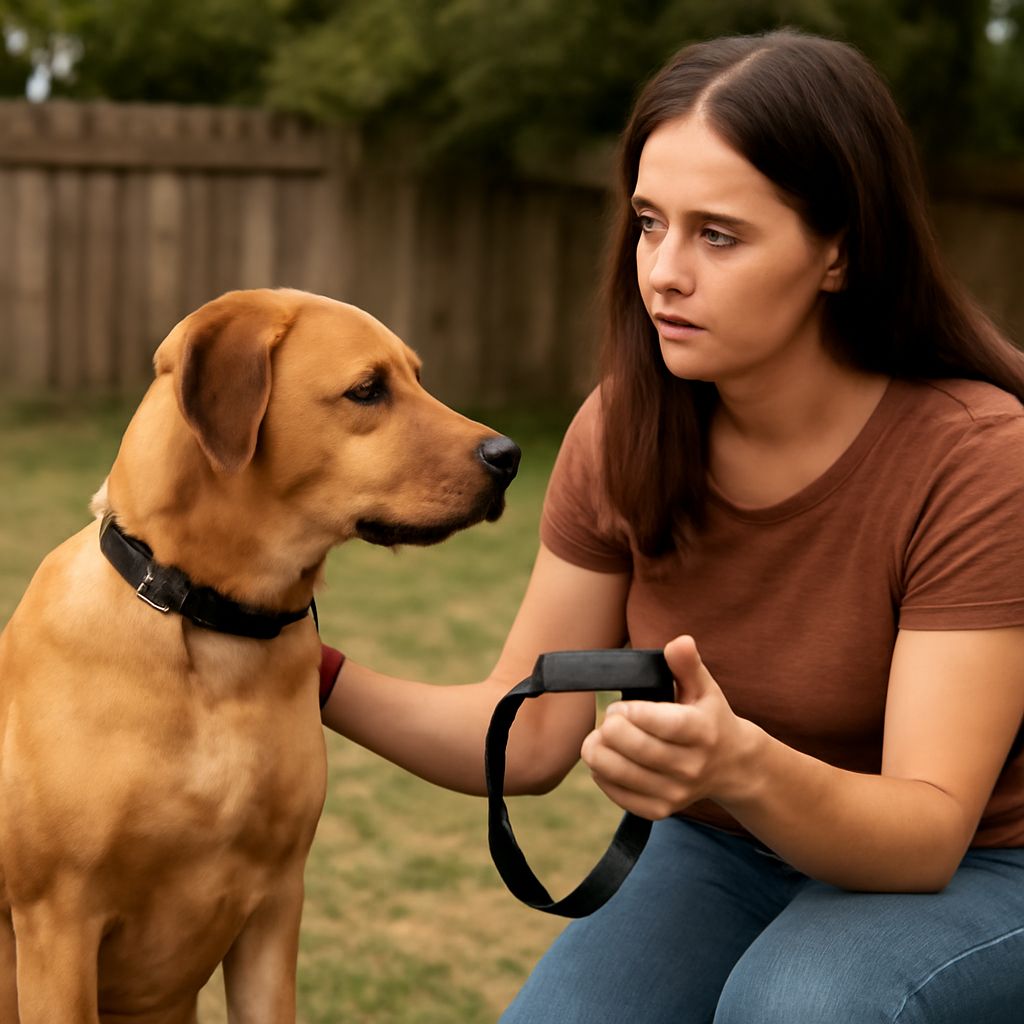
The debate around responsible pet care and training tools often gets oversimplified. A dog care shock collar is widely misunderstood — some owners view it as a quick fix, while others treat it as outright abuse. Neither extreme reflects how these devices actually work when used correctly under professional guidance. The real question is whether this tool aligns with responsible pet ownership goals for your specific dog and situation.
Taking care of pets means making informed decisions, not emotional ones. Shock collars, more accurately called e-collars, deliver a mild static stimulation — not a painful jolt in most cases. A pet care associate job description at a training facility often includes familiarity with these tools precisely because they can be appropriate in specific contexts, such as off-leash recall training for dogs with high prey drives in open environments.
How E-Collars Fit Into Responsible Training
Responsible ownership of pets begins with understanding what a tool does before using it. Modern e-collars have multiple stimulation levels, and certified trainers typically set them at the lowest level the dog notices — not a painful shock. The stimulation is designed to interrupt unwanted behavior, not punish the animal.
When E-Collars Are Appropriate
A dog care shock collar may be suitable for:
- Off-leash recall in dogs that ignore verbal commands near roads or wildlife
- Breaking dangerous habits like chasing cars or attacking other animals
- Working dogs trained for hunting or search-and-rescue tasks
These situations call for precise timing and appropriate stimulation levels. Owners who pick up a collar without professional instruction frequently misuse it, which undermines the goals of caring for pets properly and can increase anxiety in the dog.
When to Consult a Professional
If you are considering an e-collar, consult a certified professional trainer before purchasing. Taking care of pets responsibly means recognizing the limits of your own knowledge. A trainer experienced with these tools will assess your dog’s temperament, identify the right stimulation level, and show you how to pair the collar with marker-based training for best results.
Alternatives Within a Responsible Pet Care Framework
For most companion dogs with typical behavioral issues, positive reinforcement methods achieve excellent results without electronic tools. Clicker training, food reward systems, and management strategies handle the vast majority of problems that pet owners face. These approaches align naturally with the principles of responsible pet ownership and carry no risk of misuse.
That said, dismissing all aversive tools categorically can leave some owners without options for genuinely dangerous behaviors. The responsible approach is context-specific: evaluate your dog’s needs, seek qualified advice, and choose the least intrusive tool that works.
Bottom line: Responsible pet care requires matching training methods to individual dogs rather than following blanket rules. A dog care shock collar is neither a universal solution nor automatically abusive — its value depends entirely on how it is used. When in doubt, work with a certified trainer who can guide you toward tools and techniques that align with taking care of pets ethically and effectively.