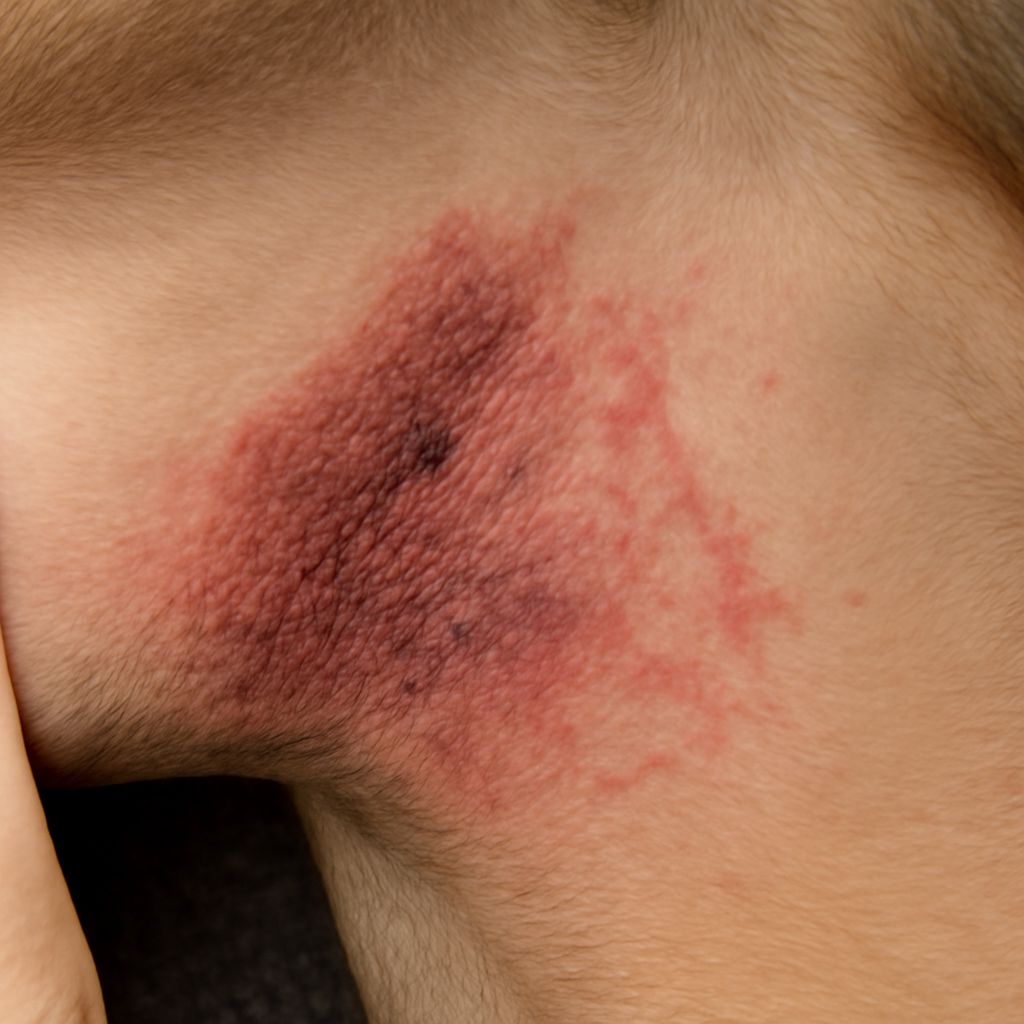
A lot of owners reach for the wrong remedy when they first notice a raw, inflamed patch on their dog’s skin. Hot spots are moist, bacterial skin infections, and they spread fast if left untreated. Dog hot spot spray is one of the most effective tools for slowing that progression because it delivers antiseptic or anti-inflammatory ingredients directly to the affected area without rubbing that agitates already sensitive tissue. The phrase “the dog in the manger” comes to mind with hot spots — doing nothing while your dog suffers serves no one. Putting on the dog when it comes to skin care means actually using the right product at the right stage. When a dog hot spot black scab forms, it signals the infection is deeper and drying out — on the spot pet care becomes more important, not less.
Hot spots are not caused by one single trigger. Flea allergy dermatitis, moisture trapped under a dense coat, a small wound the dog licks obsessively, or seasonal environmental allergies can all start the cycle. Identifying the cause alongside treating the symptom prevents recurrence.
How to Use Dog Hot Spot Spray Correctly
Preparing the Area Before Application
Clip the fur around the hot spot with blunt-nosed scissors or a clipper set on a short guard. Trapped moisture under the coat feeds bacterial growth, so air exposure is part of the treatment. Clean the area gently with a dilute chlorhexidine solution or plain saline using a soft cloth. Pat dry — never rub. Only then apply the topical canine skin spray.
Applying the Spray and Managing Licking Most hot spot products direct you to apply two to three times daily. Hold the bottle three to four inches from the skin and use a short burst. Let it dry before your dog can lick it. An e-collar is necessary in most cases because even brief licking washes away the product and reintroduces bacteria. Consistent application without interruption is what clears a hot spot within five to seven days in mild cases.
When a Hot Spot Becomes a Vet Issue
A dog hot spot black scab forming is not automatically a sign of healing. It can indicate that the infection has deepened into the dermis and may require oral antibiotics to fully resolve. Signs that require professional attention include:
- The lesion grows larger after 48 hours of treatment
- Significant swelling or heat around the margin
- The dog shows signs of pain when the area is touched gently
- Fever or lethargy alongside the skin lesion
- Multiple hot spots appearing simultaneously
A vet can culture the bacteria if standard treatments are not working and prescribe the right antibiotic. On-the-spot pet care at home is appropriate for mild, early-stage lesions only.
Preventing Hot Spots from Returning
After a hot spot clears, addressing the root cause prevents the next outbreak. Flea prevention is non-negotiable if flea allergy dermatitis is the trigger — no topical skin spray will compensate for an active flea infestation. Dogs that swim frequently or live in humid climates need thorough drying after every water exposure, paying special attention to skin folds and dense undercoat areas. Regular grooming that includes thinning out heavy coats in summer reduces moisture retention.
If your dog develops recurrent skin lesions despite good hygiene, a consultation with a veterinary dermatologist is worth considering. Chronic cases often involve underlying allergies that respond to dietary changes or immunotherapy rather than surface treatment alone.