Dog diapers are often seen as a last resort, but many owners rely on them for everyday situations, from heat cycles to post-surgery recovery. The assumption that any diaper will do is wrong. The wrong fit leads to leaks, skin irritation, and frustration for both you and your dog. Reusable dog diapers are a popular choice because they save money over time and cut down on waste. Understanding which type fits your dog well is the first step toward using them effectively.
Dog chewing at the diaper is a clear sign something is off. Dog bleeding during a heat cycle is one of the most common reasons owners turn to diapers in the first place. Knowing how to keep dog diapers from falling off matters just as much as picking the right size.
Choosing the Right Diaper for Your Dog
Sizing and Fit Fundamentals
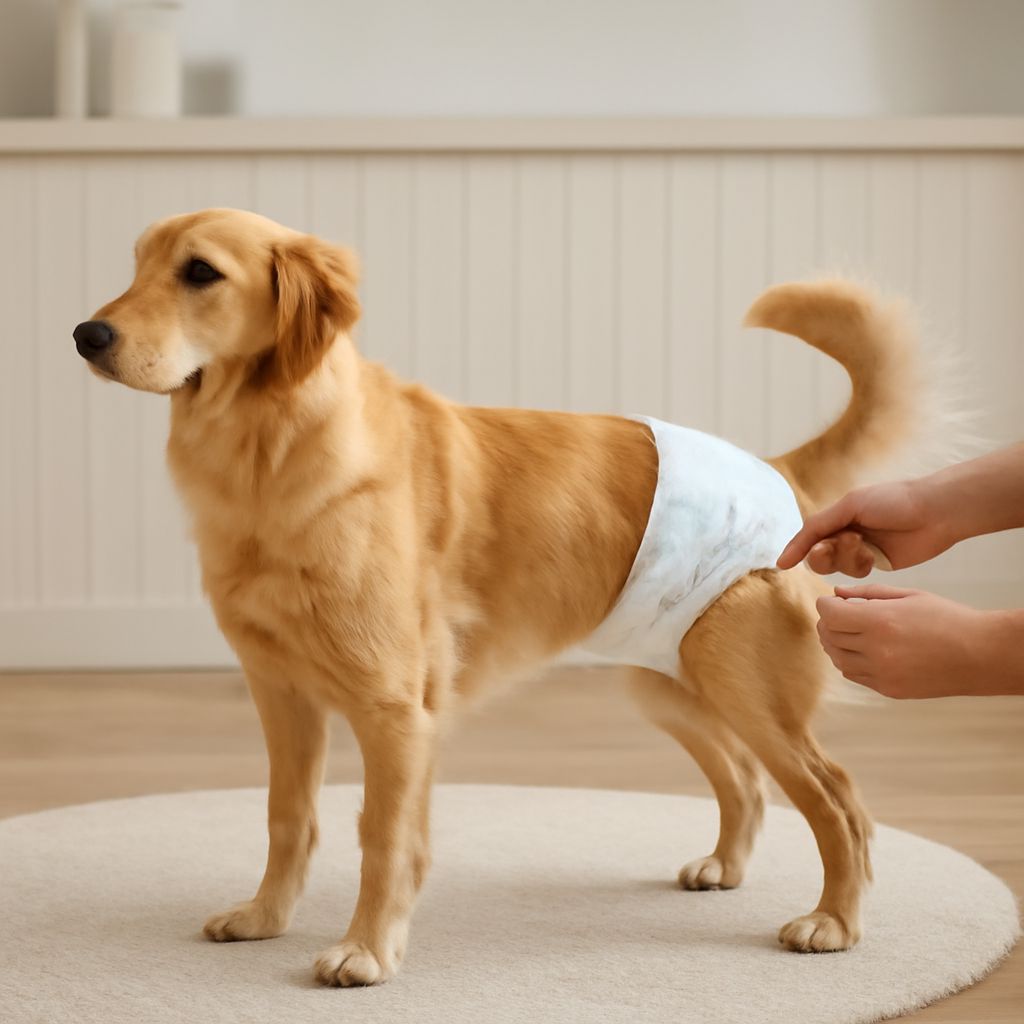
Measure your dog’s waist just in front of the hind legs before buying. Most brands use waist size as the primary measurement, but tail hole placement also affects comfort. A diaper that’s too tight causes chafing; one that’s too loose falls off immediately. Disposable and washable versions both come in a wide range of sizes for small breeds through large dogs.
Choosing Between Disposable and Washable Options
Washable diapers cost more upfront but pay off quickly for dogs that need them long-term. Disposable options work well for short trips or heat cycles that last a few weeks. Some owners combine both: washable at home, disposable for travel. Whichever you choose, check the absorbency rating. Dogs in active bleeding phases need higher absorbency than those wearing a diaper for mild incontinence.
Keeping Dog Diapers Secure
Suspenders and Belly Bands
A dog that resists wearing a diaper will work it off in minutes. Suspender harnesses attach to the diaper and loop over the shoulders, distributing the weight and stopping the back end from slipping down. Belly bands wrap around the midsection and work well for male dogs or as a secondary anchor for females. These are widely available and simple to fit.
Adjusting for an Active Dog
Dogs that run, jump, or play intensively need a snugger fit with reinforced leg openings. Check the elastic around the legs and waist after washing; worn elastic loses its grip fast. Some owners sew a small loop onto the diaper and clip it to a back-clip harness to stop the garment from shifting. Checking the fit every few hours prevents leaks and keeps skin dry.
Managing Chewing and Skin Health
A dog that targets the diaper is usually reacting to discomfort, an odd smell, or boredom. Distraction with a chew toy often works. If chewing persists, the diaper may be irritating the skin, so inspect the area for redness or rash. Change diapers frequently, at least every four to six hours, and clean the skin with a gentle wipe before putting a fresh one on. Moisture left against the skin promotes bacterial growth and soreness. Dogs with heavy bleeding need more frequent changes and should be checked for signs of infection. Any unexpected swelling, discharge with an unusual odor, or skin breakdown warrants a vet visit.
Safety recap: Always size carefully before buying a diaper. Change frequently to protect skin health. Secure the diaper properly to avoid accidents, and monitor for any signs of irritation or infection.