Temporary dog fence ideas have expanded well beyond the basic metal stakes and cheap mesh that most people picture. Many owners assume a portable option means a flimsy one, but modern solutions hold large dogs without permanent installation. A portable pet fence works for apartment balconies, camping trips, backyard parties, and rental properties where permanent fencing is not an option. Outdoor dog fence panels are sold in modular systems that pack flat and set up in under ten minutes. A temporary pet fence is also useful during construction or landscaping when your usual containment is disrupted. Portable pet fencing has improved enough that many owners use it as their primary containment solution, not just a stopgap.
Types of Temporary Fencing and How to Choose
Metal Panels and Modular Systems
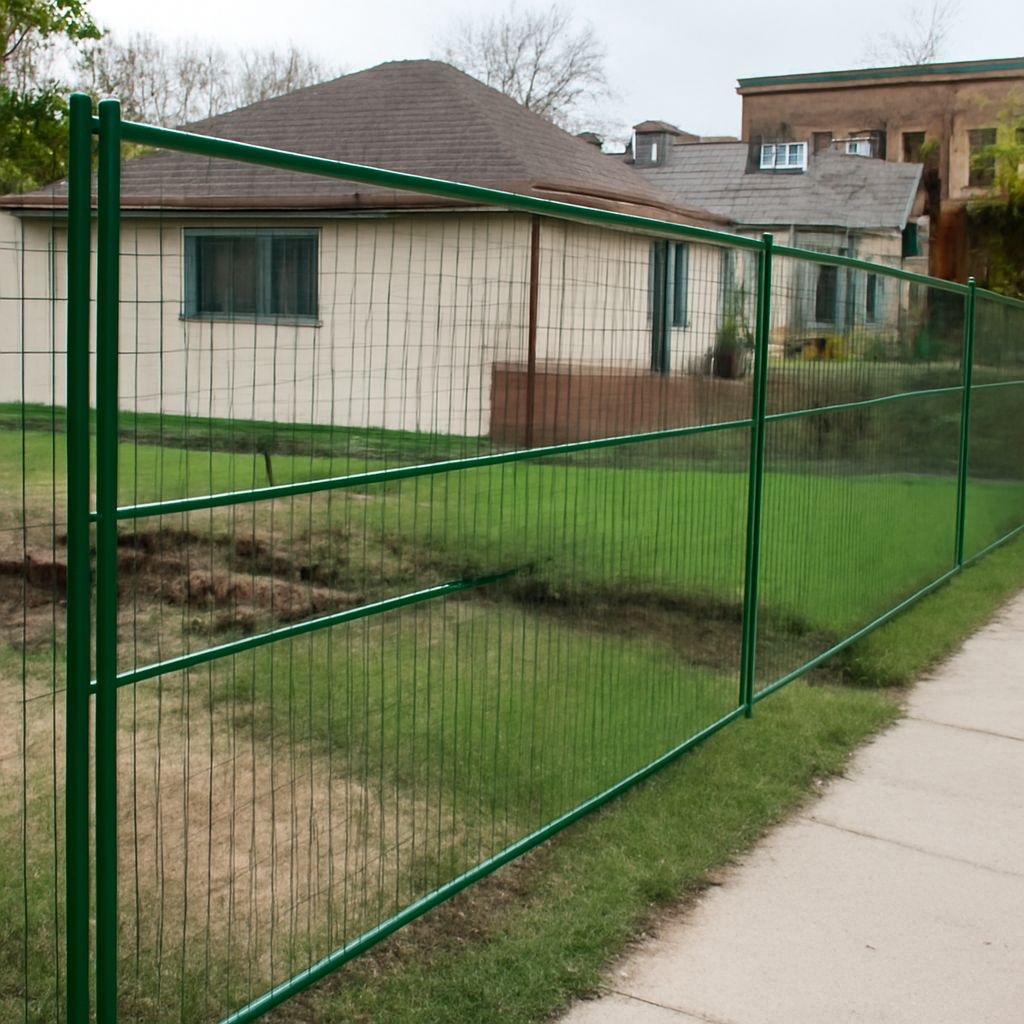
Interlocking metal panels are among the most reliable temporary containment options. They connect without tools, stand independently on flat ground, and resist pushing from medium to large dogs. Most panels are 24 to 36 inches tall. Larger breeds or jumpers need the taller end of that range. These systems fold down for transport and store in a garage or trunk. They work well for outdoor events, backyards without permanent fencing, and fenced areas that need subdivision.
Mesh and Fabric Options Lightweight mesh fences attach to stakes driven into grass or soft soil. These are better for small dogs or puppies than for strong adult animals. The main advantage is cost and portability: a mesh barrier rolls up into a compact package and sets up in minutes. Fabric playpens use the same principle but enclose a defined area without needing ground stakes. These are useful indoors or on surfaces like concrete where stakes cannot be used.
Making a Temporary Setup Secure
Anchoring and Gap Prevention
The most common failure point in any removable fence system is the connection between panels or the gap at the base. Dogs that dig or push will find any weak joint. Use sandbags, heavy planters, or zip ties to reinforce panel corners. For mesh systems, fold the bottom six inches outward along the ground and weigh it down. This discourages digging without requiring ground anchors.
Matching the Fence to Your Dog’s Behavior
A dog that charges fences needs a metal panel system, not mesh. A dog that digs needs base reinforcement. An escape artist that climbs needs a roof panel or a taller enclosure. Measure your dog’s shoulder height and add at least twelve inches when choosing fence height. Portable fencing that matches your dog’s specific tendencies will last longer and save money compared to replacing cheaper options that keep failing.
Bottom line: Removable containment has improved substantially and works well for most situations. Match the system to your dog’s size and behavior for reliable results. If your dog repeatedly escapes any temporary barrier, consult a trainer alongside choosing better equipment.