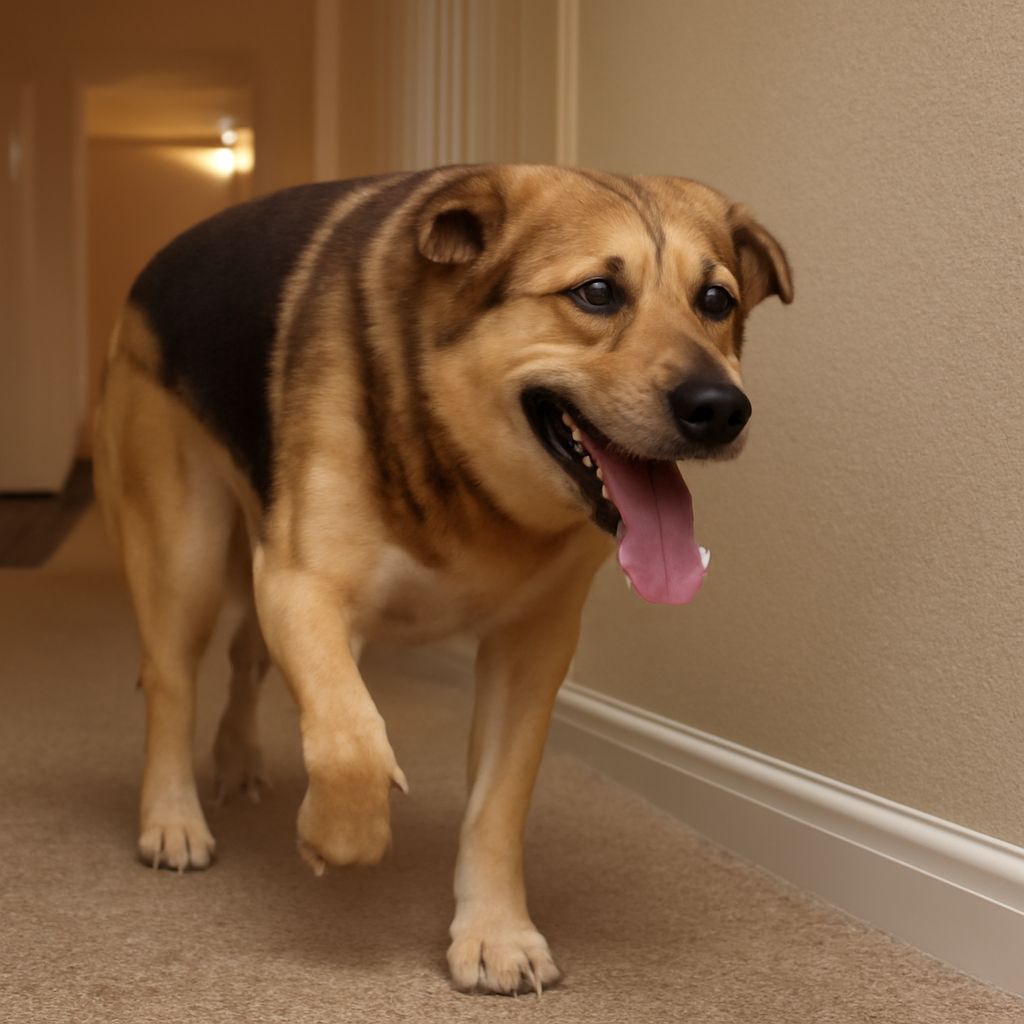
It’s easy to worry when your dog won’t stop panting or settle down, especially if this is unusual for them. Many pet owners believe that a dog who pants excessively is simply too warm or tired, but the truth is, persistent panting and restlessness can signal more than just being overheated or excited. If you find yourself searching, “my dog keeps panting and won’t settle,” it’s important to understand that these behaviors may be your pet’s way of communicating an underlying issue.
Likewise, the phrase “my dog won’t stop panting” is not always a cause for immediate panic. Dogs use panting for many reasons—from temperature regulation to expressing emotional or physical discomfort. Still, understanding what’s normal and when it becomes a concern is crucial for your dog’s well-being. Let’s break down the common reasons for panting and restlessness, and what actions you should take to keep your companion healthy and comfortable.
Why Does My Dog Keep Panting and Won’t Settle?
Panting is a normal behavior for dogs, as it helps them cool down and regulate their body temperature. However, when your pet’s panting seems frequent or paired with uneasy movement, it can be unsettling. Restlessness—such as pacing, inability to relax, or repeated changing of positions—can accompany persistent panting for several reasons.
Physical exertion, high ambient temperatures, or excitement typically cause short-term panting and are not a cause for alarm. However, when your dog is unable to settle and continues to breathe rapidly after activity or in a cool environment, it may indicate discomfort. Anxiety, fear, or even pain can lead to ongoing panting and fidgety behavior. For example, some dogs display these symptoms during thunderstorms or fireworks, while others may react this way due to separation anxiety or unfamiliar surroundings.
Underlying health problems are also common causes of continuous panting and restlessness. Conditions such as pain from arthritis, gastrointestinal upsets, or even heart disease can trigger these signs. Aging dogs may experience cognitive changes that lead to increased anxiety and unsettled behavior alongside increased respiration. Always consider your dog’s age, breed, and recent changes in environment or routine when evaluating these signs.
Is Excessive Panting in Dogs a Health Concern?
While occasional panting is a normal canine function, excessive or abnormal panting warrants closer attention. Prolonged episodes, especially if your pet appears distressed or cannot seem to relax, could point to health issues ranging from mild to severe.
Medical causes for abnormal panting include fever, respiratory illnesses, and heart or lung disorders. Dogs with Cushing’s disease, certain metabolic conditions, or those taking medications like steroids may also breathe heavily more than usual. If your pet is older or has a history of medical issues, it’s important to monitor for other symptoms such as coughing, lethargy, or appetite changes.
Emotional stress and pain are equally significant contributors to ongoing panting. Separation distress, new household members, or loud noises can provoke a nervous reaction. Sometimes, dogs in discomfort from injuries or hidden ailments will pant excessively and have trouble resting. Any sudden shift in your dog’s typical behavior should be noted and discussed with your veterinarian.
What Should I Do If My Dog Won’t Stop Panting?
If your dog continues to pant and remain unsettled, first assess their environment. Ensure they have access to cool water, a comfortable resting area, and are not overheating. Remove potential stressors such as loud noises or unfamiliar people if possible. Gentle reassurance can sometimes help a nervous dog relax.
Monitor for additional symptoms like vomiting, diarrhea, limping, or pale gums. If your dog’s breathing remains rapid despite rest and hydration, or if they seem otherwise unwell, a prompt veterinary assessment is recommended. Keeping a brief log of when the panting and restlessness occur may help the vet identify triggers or patterns, especially in chronic cases.
For minor situational anxiety, calming techniques may offer relief. This includes using a quiet space, gentle petting, or calming products recommended by your vet. However, avoid self-medicating or using over-the-counter remedies without professional advice. In cases of significant distress, underlying pain, or if your dog’s panting worsens, always consult your veterinarian for an accurate diagnosis and tailored treatment plan.
When to Seek Veterinary Help for Panting Dogs
Timely recognition of when panting and restlessness are serious is vital. If your dog’s panting is loud, harsh, accompanied by drooling, collapse, or blue-tinged gums, seek emergency veterinary care immediately, as these may signal life-threatening issues such as heatstroke or cardiovascular events.
Persistent panting lasting more than an hour, panting that disrupts sleep, or repeated episodes in a dog with a known medical condition should be professionally evaluated. Dogs who cannot settle, seem in pain, or display new behavioral changes need a veterinarian’s assessment to identify and address underlying problems.
For complex situations such as possible toxin exposure, severe pain, or suspected respiratory or cardiac problems, contact your vet without delay. Your prompt action can make a significant difference in your dog’s recovery and comfort.