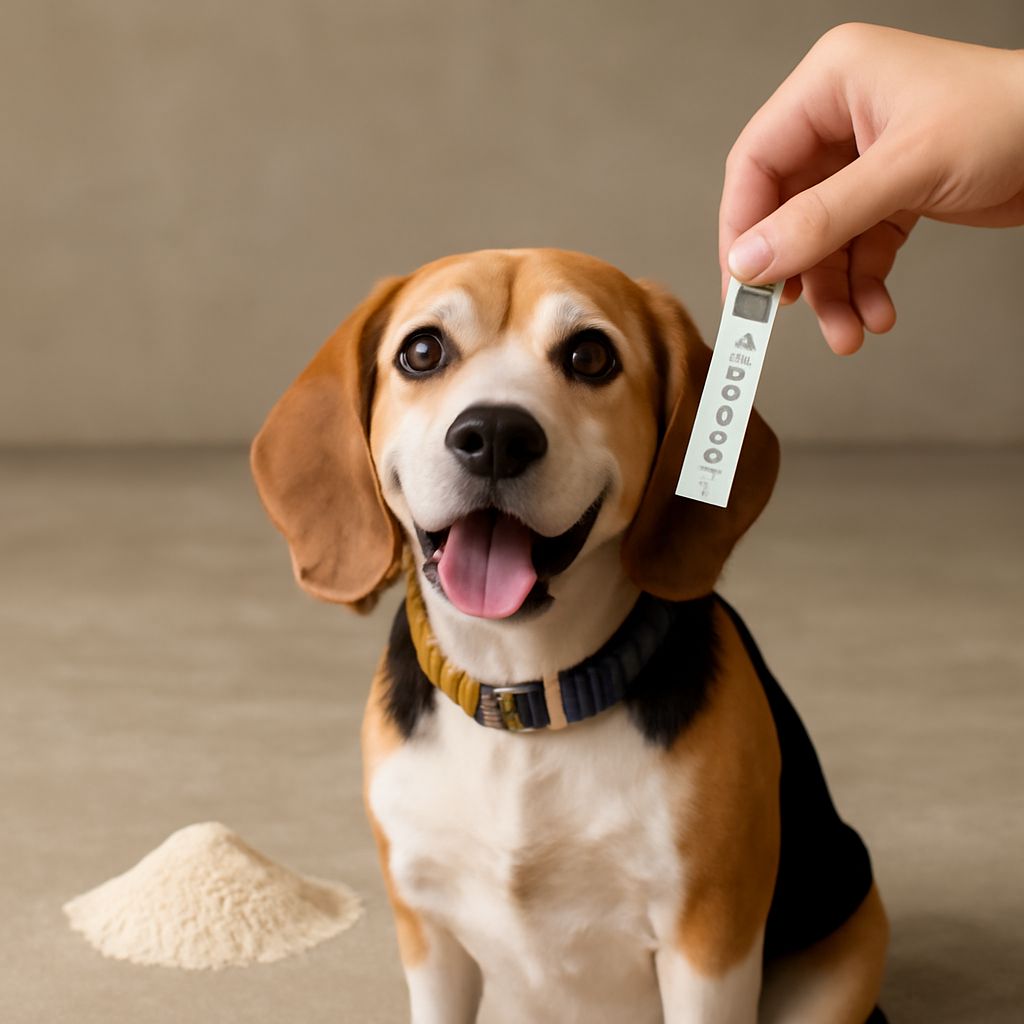
Vanilla is a beloved flavor in countless desserts and foods, but myths persist about its safety for dogs. While some believe that a hint of vanilla in a treat is harmless, others worry it could pose health hazards or trigger allergies. It’s time to untangle fact from fiction and provide clarity for pet owners who want to understand whether dogs can have vanilla without risking their well-being. Knowing if vanilla is bad for dogs—and if they can have vanilla at all—helps guide responsible treat choices and prevent accidental harm.
This article will examine the different forms of vanilla, discuss potential allergy concerns, explore what’s found in dog food and treats, and lay out clear guidelines on sharing vanilla with your pet. The aim is to equip dog owners with essential facts and best practices so their canine companions stay safe and happy.
Is Vanilla Bad for Dogs, or Can Dogs Have Vanilla Safely?
Vanilla, in its pure form, is not inherently toxic to dogs. However, the answer is not always straightforward. For example, vanilla extract and imitation vanilla often contain alcohol or other additives, which can be harmful to pets. Dogs metabolize alcohol very inefficiently, and even small amounts of vanilla extract can result in dangerous symptoms such as vomiting, disorientation, and respiratory distress. Therefore, while vanilla itself is not poisonous, the products that carry vanilla flavoring deserve close scrutiny.
Pure vanilla bean—free from alcohol or artificial sweeteners—poses minimal risk to most healthy dogs when offered occasionally and in tiny quantities. Still, it’s essential to be aware of the context in which vanilla is delivered. Many commercial treats or home-baked goodies include vanilla alongside sugar, chocolate, or xylitol, all of which are unsafe for dogs. Always read ingredient labels and be wary of any unfamiliar flavorings or extracts in dog food products.
With careful management, dogs can enjoy vanilla-flavored treats prepared specifically for their needs. Moderation is vital; even safe forms of vanilla should remain an occasional indulgence, not a staple in a dog’s diet. Offering a small nibble of a treat that contains a dash of pure, alcohol-free vanilla is generally considered safe, but vigilance is always required.
What Types of Vanilla Might Dogs Encounter in Dog Food or Treats?
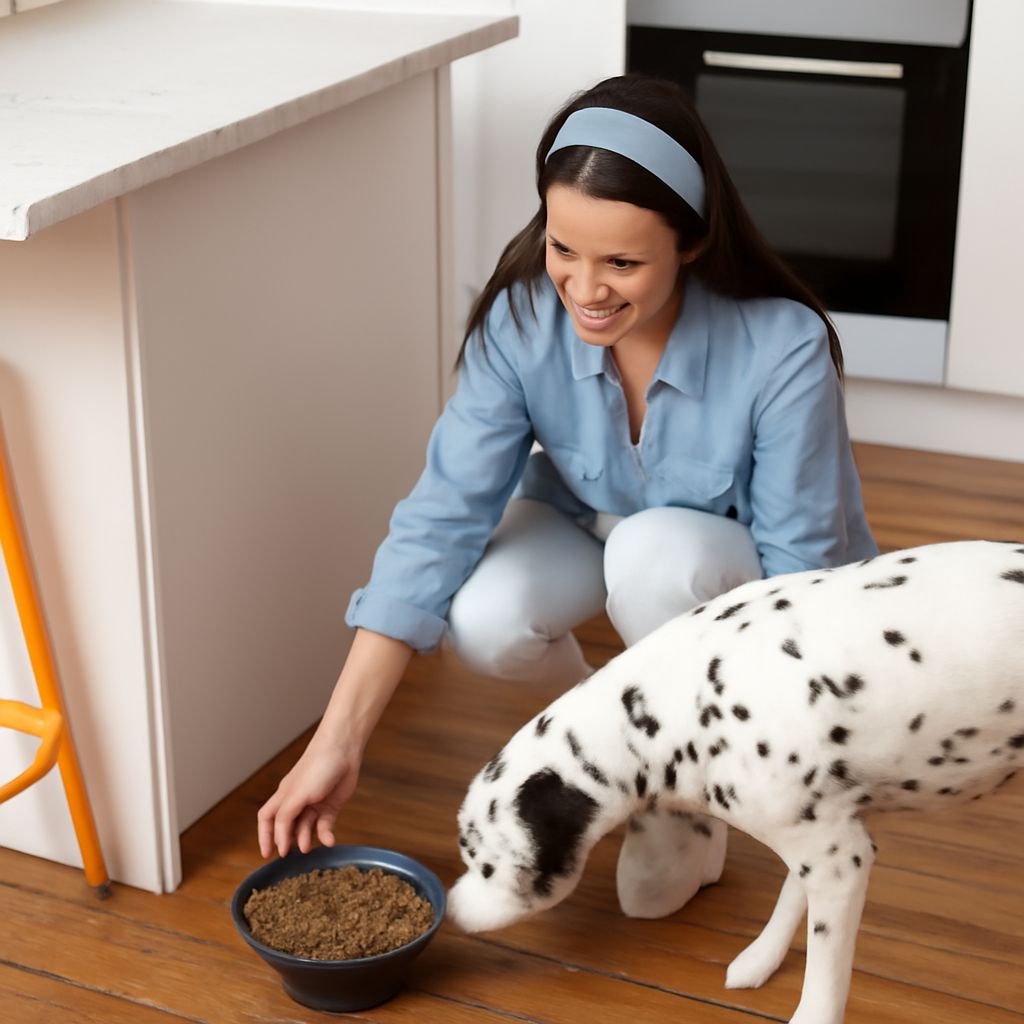
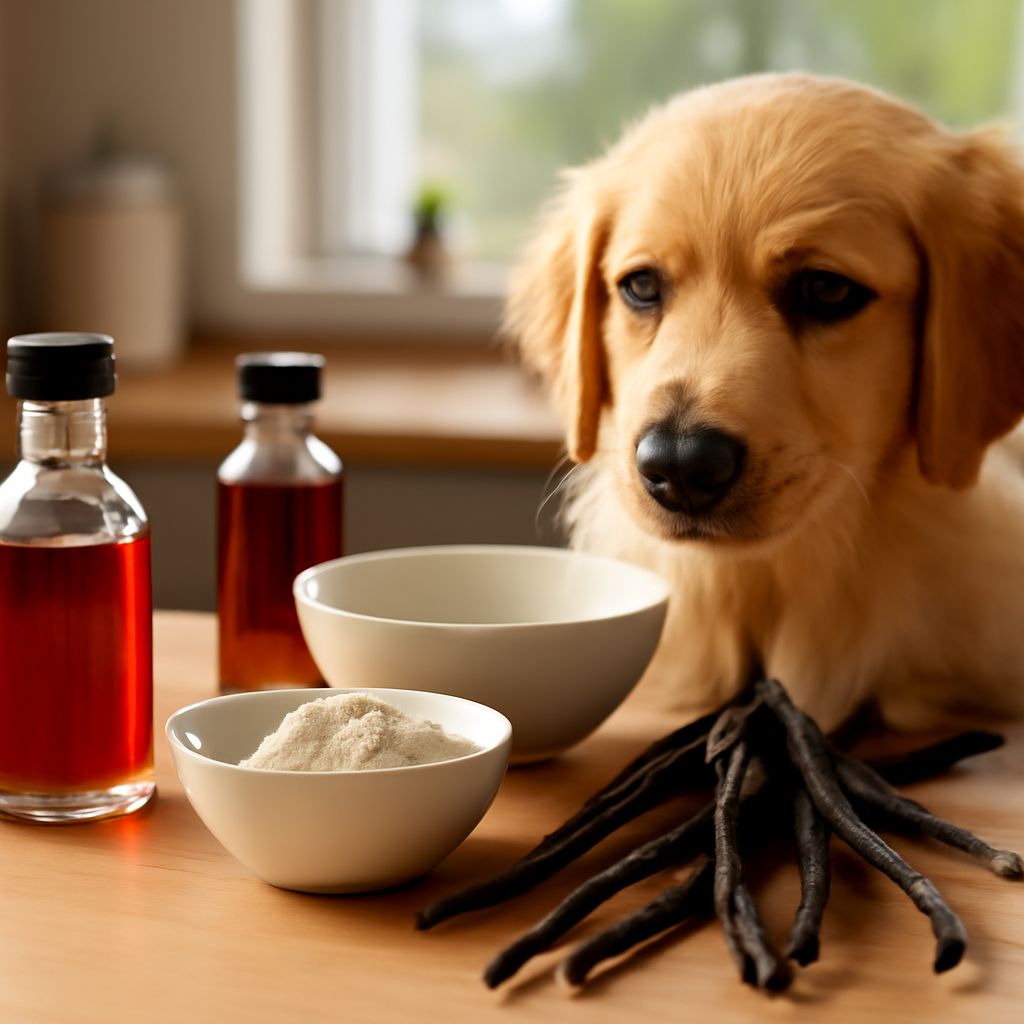
Vanilla can enter a dog’s diet in several ways. The most common are vanilla extract, vanilla flavoring, vanilla bean, and imitation vanilla. Commercially produced dog treats sometimes use natural or artificial vanilla to enhance aroma and palatability. However, the majority of dog-safe products use minimal, carefully regulated amounts, and they avoid harmful additives present in human-grade flavorings.
Vanilla extract is particularly problematic due to its alcohol content. Even small amounts are dangerous for dogs, which is why pet-specific products either avoid it entirely or utilize alcohol-free alternatives. Vanilla beans themselves contain vanillin—a compound responsible for the scent and taste—but in their natural state and in limited doses, they present little risk.
Imitation vanilla (also called vanillin) is another ingredient to watch for. Many artificial vanilla flavors are synthesized from lignin or guaiacol, and while they’re less likely to contain alcohol, the chemical composition can vary. Some synthetic vanilla products may include preservatives or other substances unsuitable for pets. Responsible treat makers use only pure or naturally derived vanilla essence in dog foods, but always verify the ingredient list when in doubt.
Are There Allergy Risks if Dogs Have Vanilla?
While true vanilla allergy in dogs is rare, allergic reactions are possible—especially in pets with sensitive systems or a history of food allergies. Signs of an adverse response include itching, swelling around the muzzle or paws, digestive upset, and, in severe cases, difficulty breathing. If your dog has experienced issues with flavored foods or has a known intolerance, any introduction of vanilla should be done with extreme caution.
In most cases, dogs tolerate tiny amounts of real vanilla or natural vanilla bean. However, artificial flavorings and additives present a higher likelihood of causing irritation or intolerance. Monitor your pet for any unusual symptoms after they consume a new treat or food containing vanilla.
Veterinary consultation is essential if you notice persistent itching, hives, or gastrointestinal symptoms after your animal eats something flavored with vanilla. Symptoms of a severe allergy or suspected poisoning (such as those stemming from vanilla extract) require immediate professional attention. When in doubt, a veterinary dermatologist or nutritionist can offer tailored advice for pets with suspected allergies.
How Should Dog Owners Safely Share Vanilla with Their Pets?
To offer vanilla safely, always opt for small amounts of alcohol-free vanilla intended for cooking and baking. Avoid giving your dog any food containing vanilla extract, liqueurs, or commercially sweetened products. Homemade dog treats or snacks can use a dash of pure vanilla bean or alcohol-free vanilla flavor, but the quantity should be minimal—no more than a quarter teaspoon per batch, diluted into the entire recipe.
Supervise your dog when they try any new food, and keep portions tiny the first time you introduce a treat with vanilla. If your pet has a history of allergies or sensitive digestion, consult your veterinarian or a veterinary nutritionist before adding new ingredients, especially flavored ones. Discontinue use and seek advice if any symptoms develop.
Purchase only dog treats from reputable sources with clear labeling. Avoid home recipes and commercial options that list ingredients like “vanilla extract” or any alcohol-containing flavorings. Instead, stick to dog-specific recipes that use pure, natural ingredients and prioritize your pet’s health. In cases of accidental ingestion of vanilla extract or if your dog shows signs of toxicity or severe allergic reaction, seek veterinary care immediately.
Key takeaways: Vanilla is not inherently hazardous for dogs, but only safe forms and minimal quantities should ever be offered. Avoid products with alcohol or artificial additives, and watch for allergy symptoms, especially with first-time exposure. Always consult a vet for persistent issues, suspected allergies, or accidental consumption of unsafe vanilla products.