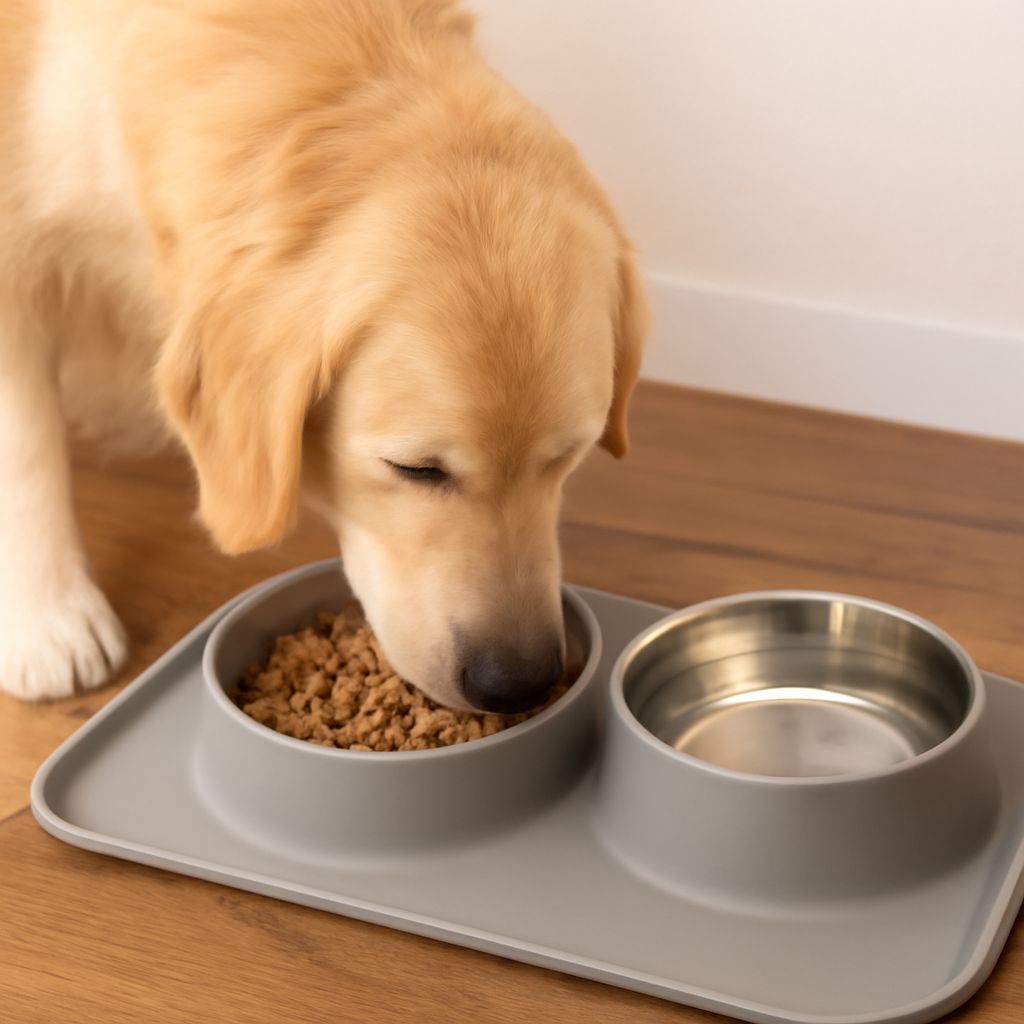
Many dog owners encounter conflicting information when it comes to adding fermented foods to their pets’ diets. Some believe that sauerkraut for dogs is a miracle food, promising better digestion and immunity, while others worry it could upset their canine’s stomach or even be harmful. The truth doesn’t fit neatly into either extreme—understanding the nutritional reality is crucial for anyone considering this tangy treat for a dog.
Questions like “can dogs eat sauerkraut?” and whether sauerkraut is good for dogs are common among attentive pet parents seeking ways to boost their animal’s health. Fermented cabbage might sound offbeat, but it’s worth exploring how, if at all, it can fit into a balanced approach to feeding dogs safely.
Is Sauerkraut Safe for Dogs to Eat?
Plain, homemade sauerkraut can be safe for most dogs when served in moderation. The cabbage itself is not toxic, and the fermentation process typically only involves water and salt. However, commercial sauerkraut products often contain added spices, garlic, onions, or excessive salt—any of which can be harmful or even toxic to dogs. It’s essential to check ingredient labels carefully or, better yet, prepare plain sauerkraut at home if you wish to share it with your dog.
Every dog’s digestive system is different; some dogs tolerate fermented vegetables well, while others may experience mild gastrointestinal upset—such as gas or loose stools—if introduced too quickly. For dogs with sensitive stomachs, even modest amounts can trigger discomfort. If your pet has a history of digestive issues or food sensitivities, consult your veterinarian before offering sauerkraut or any new food.
Salt content deserves particular attention. Dogs are more sensitive to sodium than humans, and excess salt can lead to dehydration or, in severe cases, sodium ion poisoning. For this reason, avoid feeding your dog sauerkraut with brine that’s heavily salted, and always offer small, measured portions when first trying it out.
Is Sauerkraut Good for Dogs? Health Benefits and Concerns
Sauerkrauts, when served appropriately, contain probiotics that may help support a balanced gut microbiome in dogs. These naturally occurring beneficial bacteria can aid digestion and improve stool quality for some canines. In addition, cabbage offers fiber, vitamin C, and certain antioxidants that support overall canine health.
Despite these potential advantages, sauerkrauts for dogs are not a cure-all. Probiotic content varies widely depending on fermentation time and storage conditions, so the digestive benefits are not guaranteed with every batch. Commercial varieties may have reduced live cultures due to pasteurization, further limiting the positive effects. Instead of relying solely on sauerkraut to address digestive or immune issues, consider integrating it as a supplement to a veterinarian-approved diet if your pet tolerates it well.
There are also possible drawbacks. Some dogs are prone to food allergies or have medical conditions—like chronic kidney disease—that require strict sodium control. In such cases, or if your dog suffers from recurring gastrointestinal problems, always seek professional advice before making dietary changes. Qualified veterinary nutritionists or your regular vet can help craft a tailored feeding plan to address your pet’s unique needs.
How Should You Feed Sauerkraut to Dogs?
Introducing sauerkraut for your dog should be a gradual process. Begin with a small teaspoon mixed into your pet’s regular meal once or twice per week. Observe for any signs of digestive upset, such as vomiting or diarrhea, and discontinue if these symptoms occur. Dogs that tolerate it well may enjoy occasional servings, but the portion should never exceed a tablespoon for medium-sized breeds.
For the safest option, stick to unsalted, unseasoned sauerkraut—preferably homemade, using only cabbage and water. Avoid feeding dogs any sauerkrauts containing onions, garlic, caraway seeds, or artificial preservatives. Always rinse store-bought varieties to remove excess brine before serving. Monitor your pet closely for any adverse reactions the first few times you offer this food.
Remember, sauerkraut is a supplement, not a substitute for a balanced diet. It should never replace high-quality commercial or homemade dog foods designed to meet your pet’s complete nutritional requirements. If you have concerns about allergies or complex dietary restrictions, consult a licensed veterinarian before introducing fermented foods like sauerkraut.
What Are the Alternatives to Sauerkraut for Dogs?
For pet owners seeking similar benefits without the potential downsides, several alternatives can support canine digestion and health. Plain, cooked cabbage (without salt, butter, or seasoning) can offer fiber and vitamins without the risk of high sodium. Small amounts of plain yogurt, provided your dog isn’t lactose intolerant, may supply live cultures that promote healthy gut bacteria much like fermented cabbage does.
Other options include kefir and specially formulated probiotic supplements for dogs. These alternatives can be easier to dose accurately and are often recommended by veterinarians, especially for dogs with a history of sensitive stomachs or food allergies. Additionally, incorporating a variety of safe, dog-friendly fruits and vegetables—such as carrots, pumpkin, or green beans—can help diversify your pet’s diet and supply essential nutrients.
Every dog is unique, and what works for one may not suit another. When exploring new dietary additions, including those resembling sauerkraut for dogs, always prioritize safety and consult your vet if your dog has ongoing health concerns or requires special nutritional management.