Many pet owners mistakenly believe that short-haired dogs don’t need much grooming—a persistent myth in the world of canine care. In reality, using a suitable brush for short hair dog breeds can make a dramatic difference in coat health, skin comfort, and overall wellbeing. Even the best dog brush for short hair may seem unnecessary at first glance, but it remains an essential tool for maintaining a shiny, healthy coat and reducing unwanted shedding around your home.
Short-coated breeds, from sleek Dobermans to energetic Beagles, benefit greatly from consistent brushing. The right grooming practices not only keep their fur smooth but also offer opportunities to spot skin issues early. Let’s explore why a specialized short hair dog brush matters, how to select the correct option, and how thoughtful brushing routines can keep your dog looking and feeling their absolute best.
Why Does a Brush for Short Hair Dog Matter?
Short-coated dogs shed just as much as their longer-haired counterparts, though their hair may be less noticeable on furniture and clothing. Despite this, their fur can easily become dull, and dead skin cells may accumulate if not routinely removed with proper grooming. A brush designed for short-haired dogs is optimized to reach through the dense, sleek layers without irritating sensitive skin.
Regular use of dog brushes for breeds with short hair helps distribute natural oils throughout the coat, which leads to a glossier appearance while preventing dryness or irritation. Unlike generic grooming tools, a quality brush for these pets removes loose fur and dander efficiently, supporting both hygiene and comfort.
Some pet owners rely on their hands, towels, or even standard combs, but these methods often fail to remove undercoat debris or stimulate the skin effectively. Selecting an appropriate grooming brush tailored for short fur ensures that you’re not just brushing the surface but also caring for the underlying health of your dog’s skin and coat.
How to Choose the Best Dog Brush for Short Hair
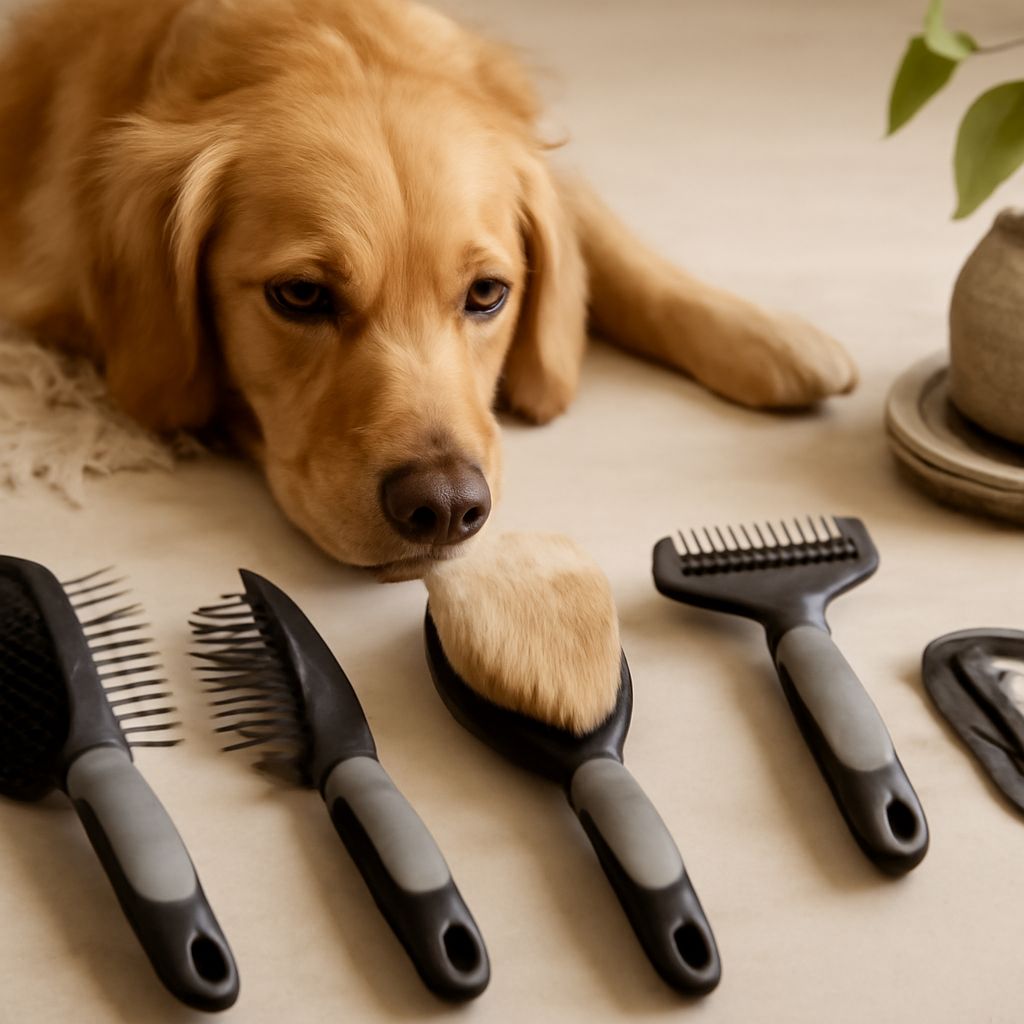
When evaluating tools for grooming a short-haired pet, look for brushes with soft, closely spaced bristles or rubber nubs. These features work well for breeds like French Bulldogs, Boxers, and Pugs, which have smooth coats that can be sensitive to harsher pins or wire bristles. Rubber curry brushes or grooming mitts often perform best for such dogs, offering gentle exfoliation and effective hair removal.
Consider the size and grip of the brush, especially if you have a squirmy pup. A comfortable handle allows for better control and ensures the session is enjoyable for both you and your furry companion. Avoid stiff or metal bristles, as these can scratch or irritate short-haired skin. Instead, opt for a soft bristle brush, grooming glove, or a rubber brush designed specifically for short fur types.
For dogs with sensitive skin or any history of dermatitis, consulting a professional groomer or a licensed canine stylist is recommended before trying any new grooming tool. They can suggest the ideal product for your pet’s specific hair texture and skin needs.
What Are the Benefits of Regular Brushing for Short Hair Dogs?
Frequent brushing with a dog brush suited for short hair helps minimize shedding and keeps your home cleaner. It also stimulates circulation, encouraging healthy skin regeneration and contributing to a shinier coat. By using tailored grooming tools, you reduce the risk of matting and can quickly detect bumps, cuts, or signs of fleas.
Regular grooming sessions provide an opportunity to bond with your pet and help desensitize them to handling. This makes future vet visits and nail trims much less stressful. You’ll also find that dogs accustomed to being brushed tend to have fewer issues with itchy or flaky skin, as dead fur and buildup are removed promptly.
Short-haired breeds that are brushed consistently experience less odor, and their coats remain more resilient against environmental allergens and pollutants. For households with allergy sufferers, maintaining a routine de-shedding schedule with the right tools is key to reducing airborne dander.
Tips for Effective Brushing Sessions
Begin each grooming session by letting your pup sniff the brush and associate it with praise or treats. Use gentle, slow strokes in the direction of hair growth, applying minimal pressure to avoid irritating the skin. Pay close attention to areas where hair is thickest, such as the neck, back, and tail base, as these spots often trap loose fur and debris.
Always use a brush that suits your dog’s specific coat type. If your pet shows any signs of discomfort, pause and check for redness or irritation. For particularly stubborn shedding, employ a rubber grooming mitt, which lifts dead hair quickly while providing a soothing massage effect.
Brushing two to three times a week is typically sufficient for most short-haired dogs, though seasonal changes may require more frequent sessions. Finish each grooming routine with a visual inspection for skin issues or parasites, and reward your dog’s patience with extra affection or a favorite toy.
Should you encounter severe tangles, excessive hair loss, or any skin abnormalities during brushing, seek advice from a licensed professional groomer to ensure your pet receives the proper care and any necessary treatment.