It’s a common myth that only old dogs lose their teeth due to age-related factors. However, a dog without teeth can be of any age, losing them due to injury, dental disease, or genetics. It’s essential to understand that even a toothless dog can live a healthy and happy life with the right care.
Another misconception is that dogs without teeth cannot lead a fulfilling life. In reality, they can thrive just like their toothy counterparts. With adjustments in diet, grooming, and overall care, a toothless dog can enjoy every moment just as much as any other dog.
Why Do Dogs Lose Their Teeth?
Dogs may lose their teeth for various reasons, and understanding these can help provide better care. Dental disease is one of the most common causes, where gum infections and plaque buildup lead to tooth loss. Regular dental check-ups can prevent this in many cases.
Injuries can also cause a dog to lose teeth. Accidents or biting hard objects might result in broken or lost teeth. Ensure your dog avoids chewing on inappropriate items to maintain their oral health.
Genetics play a role too. Some breeds are prone to dental issues and may experience tooth loss despite good dental hygiene practices. Consulting with a vet can help manage these genetic predispositions.
How to Feed a Toothless Dog
Feeding a dog without teeth requires some adjustments to ensure they receive the necessary nutrition. Opt for soft foods or specially formulated wet dog food that is easier for them to consume. You might also consider crushing dry kibble into smaller pieces or soaking it in water or broth to soften it.
Homemade diets can also be beneficial, incorporating soft ingredients like cooked vegetables and lean meats. Always ensure the diet remains balanced and consult with a vet to tailor a suitable meal plan.
Some dogs may enjoy specially designed dental treats for toothless dogs, which are softer and more manageable for them to chew.
Maintaining Oral Health for Dogs Without Teeth
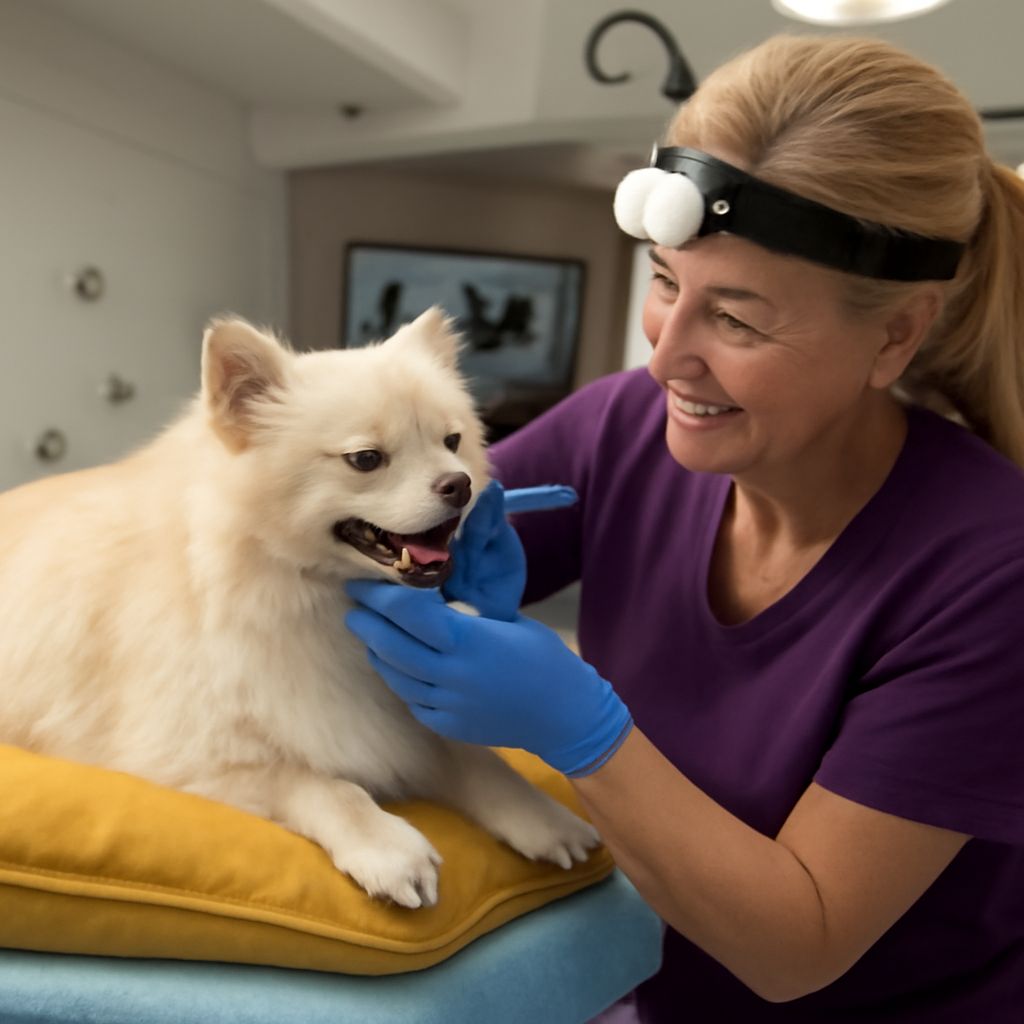
Even though the dog might not have teeth, their oral health is still crucial. Regular gum massages can stimulate blood flow and help maintain gum integrity. Use a soft cloth or finger brush to gently clean their gums and tongue to prevent bacterial buildup.
Oral health products, such as pet-safe mouthwash or dental wipes, can be used to keep the mouth clean and fresh. These products can help prevent bad breath and potential infections.
Regular veterinary visits remain important for monitoring oral health and catching any potential issues early.
Other Care Tips for a Toothless Dog
Caring for a toothless dog extends beyond oral health and diet. Providing comfortable chew toys that are safe for gums is important. These toys can offer enjoyment and stimulation without risking injury.
Monitor their weight to ensure they’re receiving adequate nutrition. Toothless dogs might consume less food or struggle with calorie intake, so adjustments might be necessary.
Finally, always be attentive to any signs of discomfort or distress, and consult with a licensed vet if any issues arise. By accommodating their needs, you can ensure your toothless dog remains healthy and content.