It’s a common misconception that staph infections only affect humans. In reality, our canine companions are also susceptible to these bacterial infections. Understanding staph infections in dogs is crucial for maintaining their health and well-being. By exploring the causes, symptoms, and treatment options, we can take proactive steps to ensure our pets remain healthy. Another myth is that these infections are always severe. Staph infections can range from mild to serious, and knowing when to seek professional help is key.
What Causes Staph Infection in Dogs?
Staph infections in dogs are typically caused by the bacterium Staphylococcus. These bacteria normally reside on canine skin without causing harm. However, when the skin’s barrier is compromised—due to cuts, allergies, or underlying health conditions—the bacteria can invade, leading to an infection. A dog’s immune system plays a significant role in fighting off these infections, but if it’s weakened, the risk increases.
Environmental factors also contribute to staph infections. Dogs spending time in humid or dirty environments may be more prone to developing these infections. Furthermore, skin irritations from fleas or other parasites can exacerbate the situation, providing bacteria with an entry point.
Recognizing Symptoms of Staph in Dogs
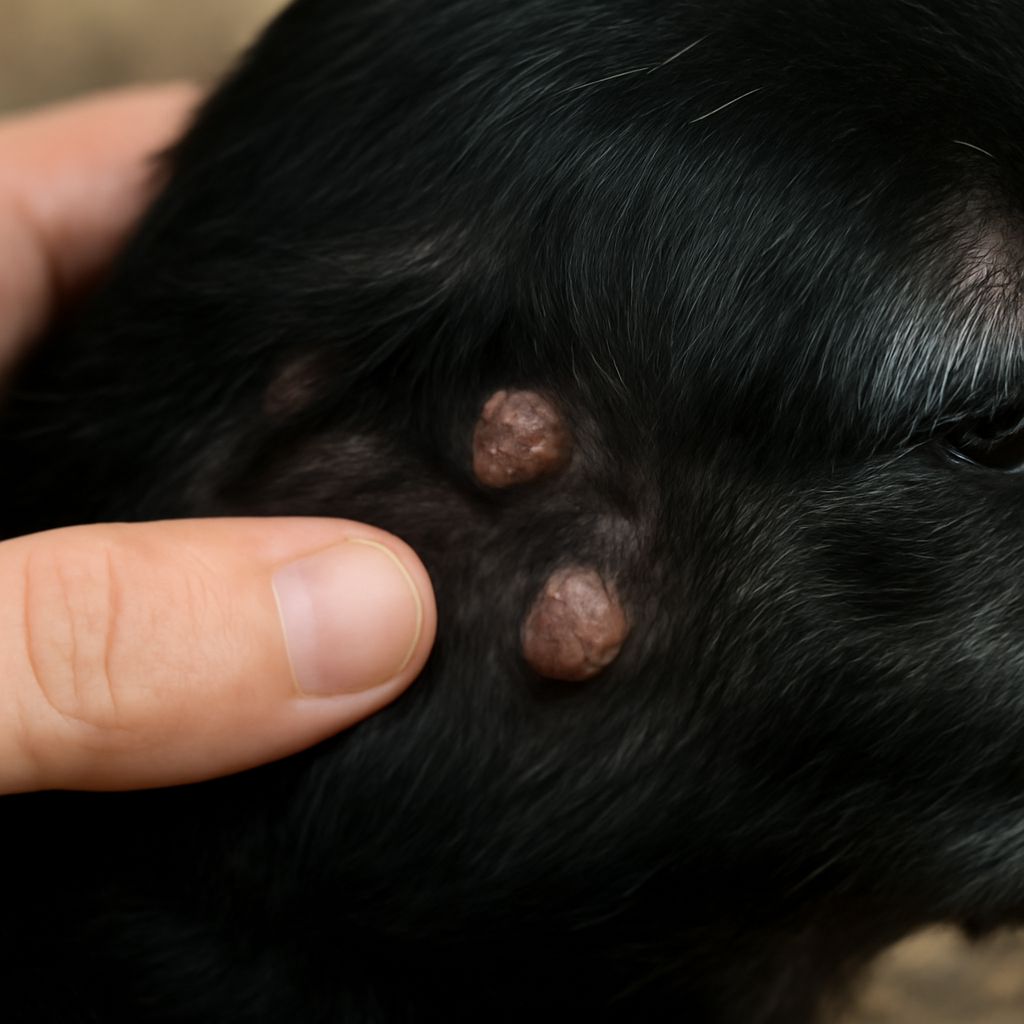
Identifying symptoms early can make a significant difference in the management of a staph infection. Affected dogs often exhibit redness, swelling, and itching around the infected area. Pustules or abscesses may form, and hair loss can occur in the infected spots.
In more severe cases, the infection might spread, leading to fever, lethargy, or decreased appetite. It’s essential to observe for behavioral changes as they can indicate discomfort or pain. If these symptoms appear, consulting with a veterinarian is advisable to confirm the diagnosis and explore treatment options.
Dog Staph Infection Treatment Options
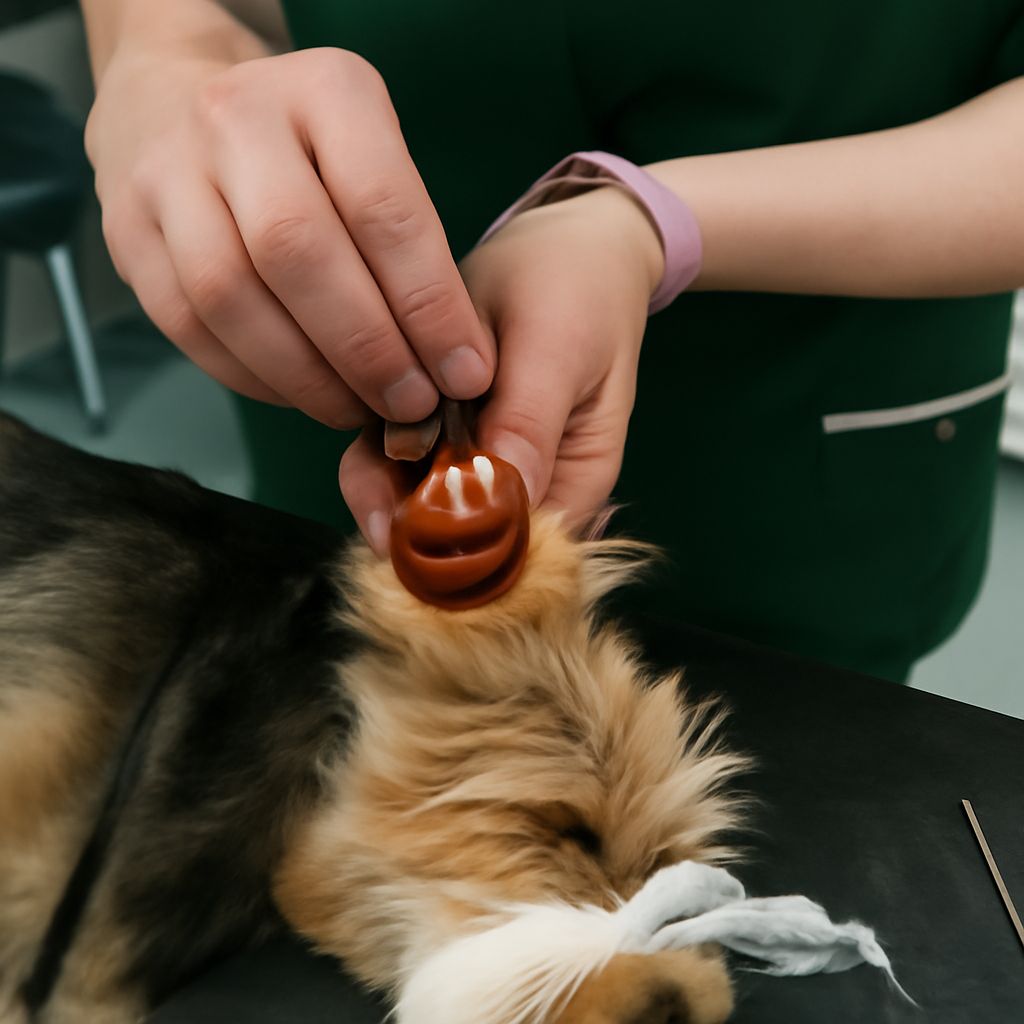
Treating a staph infection in dogs usually involves a combination of antibiotics and topical treatments. The exact approach depends on the infection’s severity and location. Veterinarians often prescribe antibiotics to clear the bacteria from the system. It’s vital to complete the full course of medication, even if symptoms improve, to prevent recurrence.
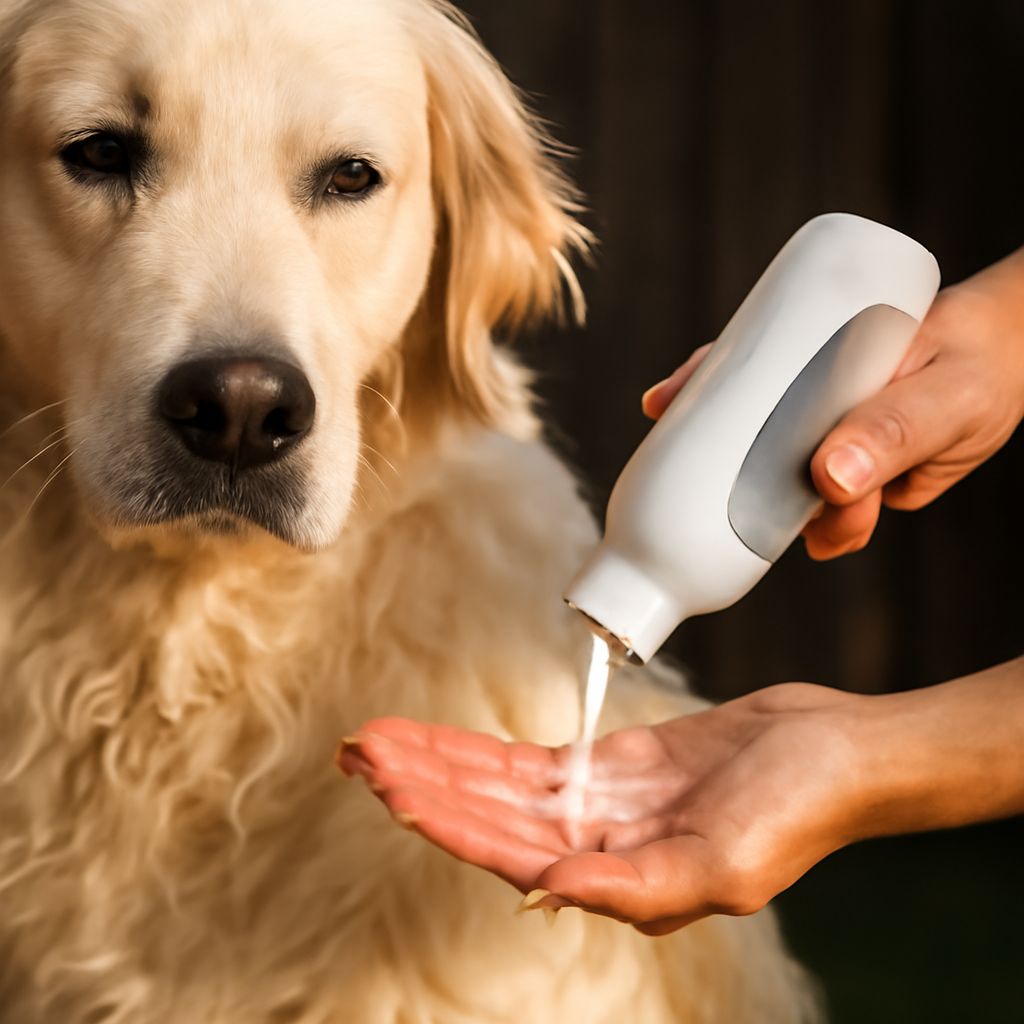
Topical creams or shampoos may be recommended to soothe irritated skin and aid healing. In cases of severe or resistant infections, a more tailored approach might be necessary. Consulting a licensed veterinarian or pet dermatologist is advisable for complex cases to ensure the most effective treatment plan is utilized.
Preventing Staph Infection in Dogs
Prevention plays a crucial role in maintaining your dog’s skin health and avoiding infections. Regular grooming and skin checks help identify potential issues early. Keeping your dog’s living area clean and dry reduces exposure to harmful bacteria.
It’s important to manage allergies and flea infestations promptly, as these can compromise the skin’s barrier. A healthy diet and regular exercise also bolster the immune system, providing an added layer of defense against infections.
By staying informed and proactive, dog owners can significantly reduce the risk of staph infections, ensuring their pets lead healthy and comfortable lives.
Bottom line: Staph infections in dogs are manageable with the right knowledge and care. Early detection and appropriate treatment can prevent complications. Always consult a veterinarian if you’re concerned about your dog’s symptoms or health.