Many dog owners may believe that their pets’ tails are invincible, considering them as hardy as the rest of their furry companions. However, a dog tail sore at base can be quite concerning, often signaling underlying issues that require attention. Understanding the causes, symptoms, and treatment of a dog tail injury is essential for maintaining your pet’s well-being.
Contrary to common myths, a dog’s tail is not just an extension of its spine; it’s a complex structure with bones, muscles, nerves, and blood vessels. A dog tail injury can result from various factors, ranging from minor bruises to severe fractures, each needing appropriate care and management.
What Causes a Dog Tail Injury?
A variety of reasons can lead to injuries in a dog’s tail. Trauma is often the most common cause, typically from accidents like getting the tail caught in doors or tripping over furniture. Excessive wagging against hard surfaces can also lead to bruising or chafing.
Another common cause is “limber tail syndrome,” which usually occurs after heavy exercise or exposure to cold weather. This condition results in a limp, painful tail that can alarm pet owners.
In some cases, a tail injury may arise from medical conditions such as infections or tumors. These require immediate veterinary attention as they can lead to more severe health issues if left untreated.
How to Identify a Dog Tail Sore at Base?
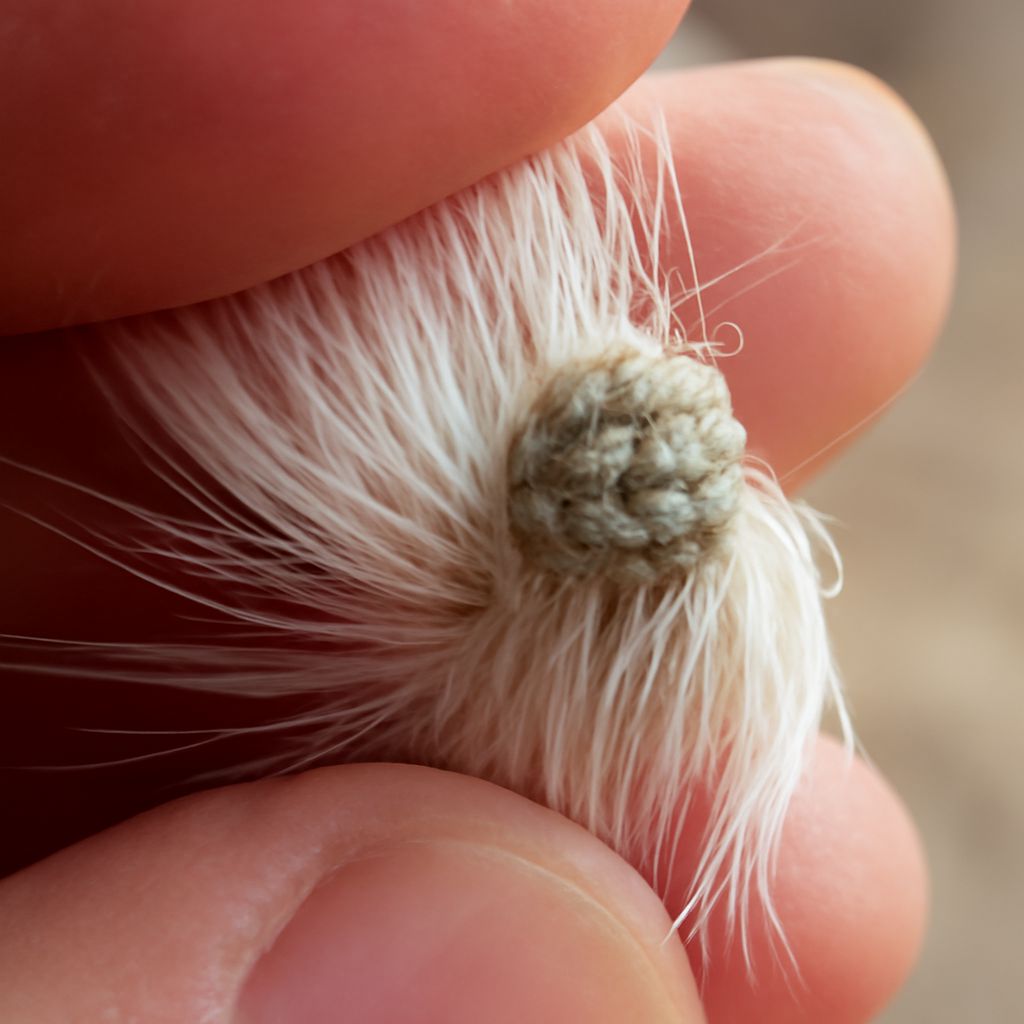
Recognizing a tail sore at the base of the tail early can prevent further complications. Look for signs such as swelling, redness, or lesions in the area. A dog may also exhibit signs of discomfort by biting or licking the sore excessively.
Observe changes in behavior; for instance, sudden reluctance to wag the tail or sensitivity when the area is touched. If a dog shows any of these symptoms, a professional evaluation can determine the underlying issue and appropriate intervention.
What Are the Treatment Options for Dog Tail Injuries?
Treatment varies depending on the severity of the injury. For minor abrasions or bruises, home care involves cleaning the area with mild antiseptics and ensuring the dog does not aggravate the sore. A protective bandage may be necessary to aid healing.
For more severe cases, such as fractures or infections, a veterinarian should be consulted. They may prescribe antibiotics for infections or recommend surgery for structural damage. In all cases, follow-up visits ensure the injury is healing correctly.
Occasionally, chronic conditions might require ongoing management, and consulting a veterinary specialist can provide advanced care options.
How to Prevent Dog Tail Injuries?
Prevention is key in avoiding tail injuries in dogs. Ensure your home environment is safe by removing potential hazards like sharp edges or tight doorways. Soft surfaces can minimize the impact for enthusiastic waggers.
Regular grooming and inspections of your dog’s tail can catch potential issues before they develop into serious problems. Maintaining a healthy exercise regimen without overexertion is also crucial, particularly for breeds prone to limber tail syndrome.
Ultimately, being vigilant and responsive to changes in your dog’s behavior can greatly reduce the risk of tail injuries. Always seek professional advice for unexplained symptoms to keep your furry friend healthy and happy.