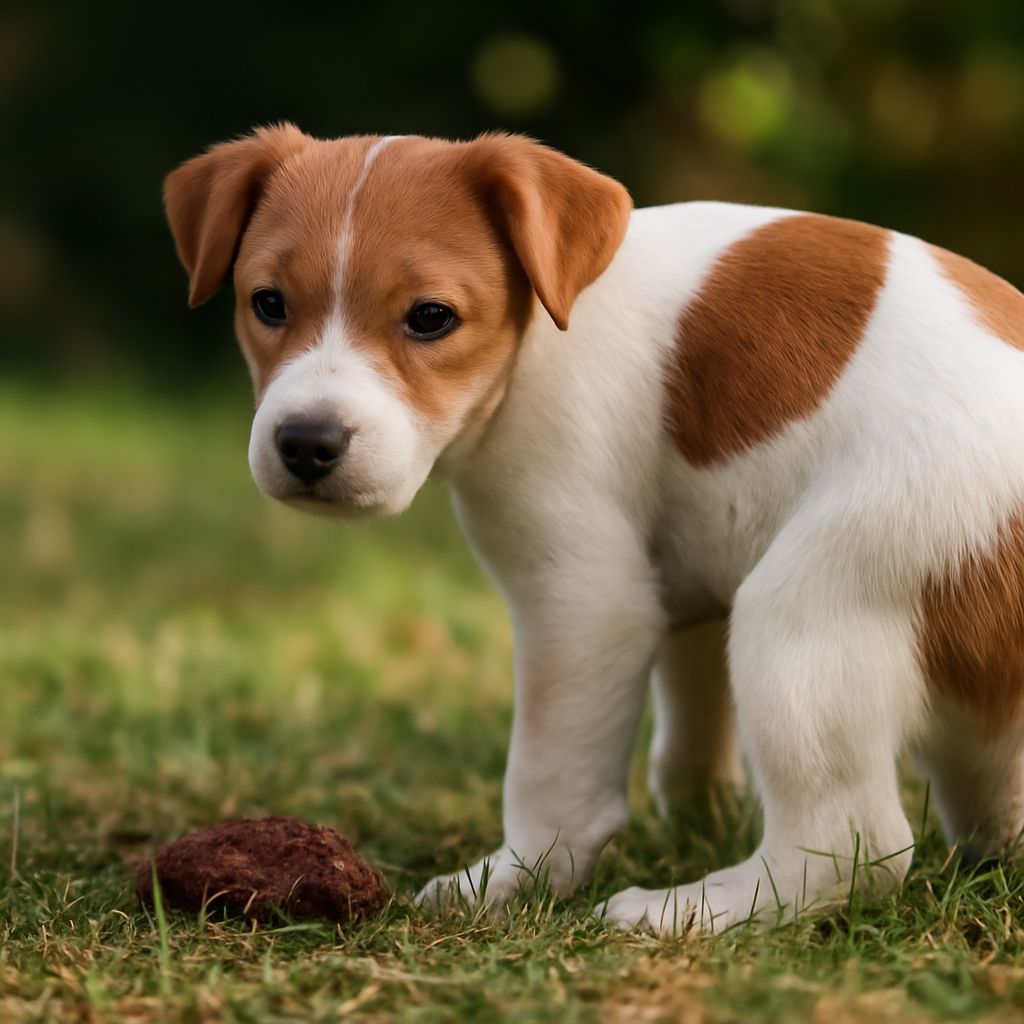
Many dog owners believe that fecal incontinence is a rare issue, only affecting older or sickly pets. In reality, dog leaking poop is a more common problem that can affect canines at various life stages. This condition occurs when a dog is unable to control its bowel movements, leading to unexpected messes and significant distress for both the pet and the owner. Understanding fecal incontinence in dogs is crucial for effective management and ensuring the well-being of your furry friend.
Contrary to popular belief, fecal incontinence can have numerous underlying causes, ranging from dietary indiscretions to neurological issues. To help your pet, it’s essential to recognize the signs and explore potential treatments and preventative measures. By doing so, you can effectively address dog leaking poop and improve your pet’s quality of life.
What Causes Fecal Incontinence in Dogs?
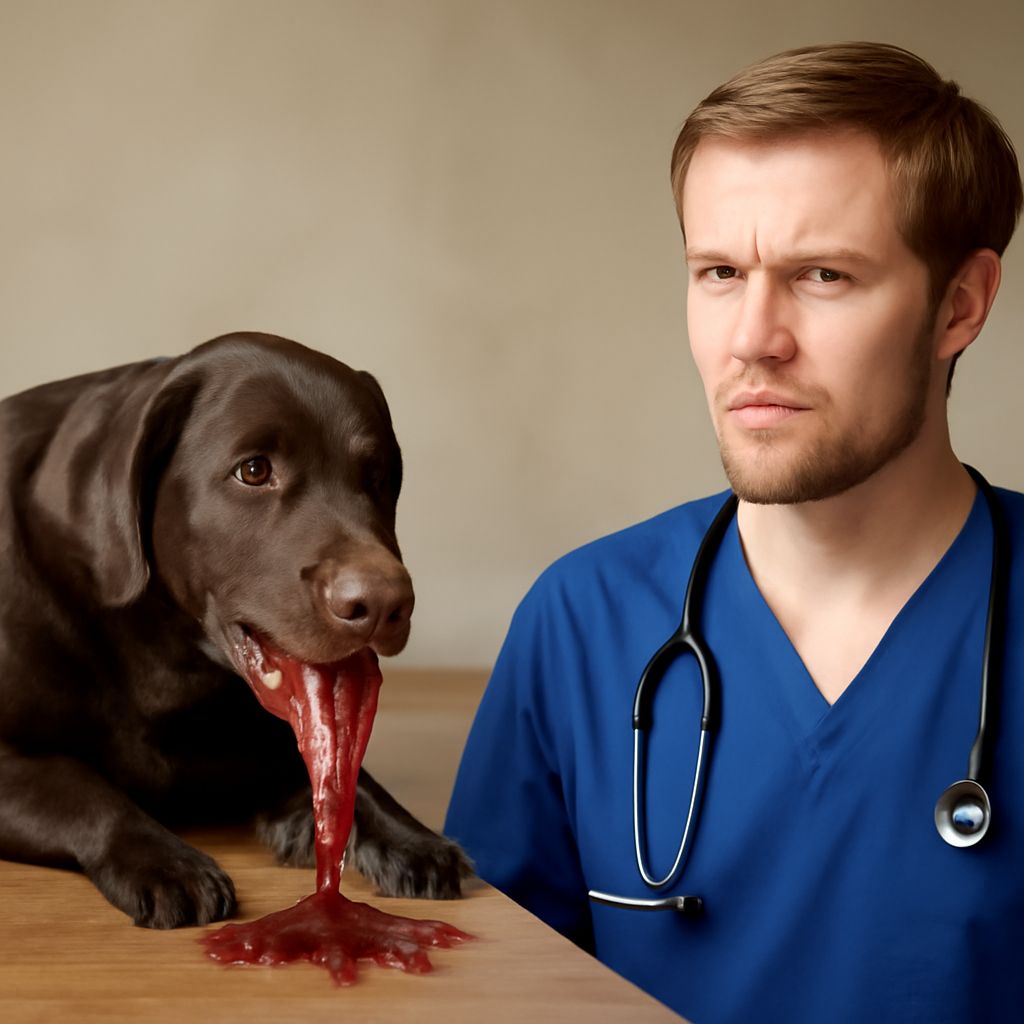
The reasons behind fecal incontinence in dogs are varied and often require a thorough examination by a veterinarian to diagnose. One common cause is dietary issues, such as consuming inappropriate foods or sudden changes in diet. These can lead to digestive upset and loss of bowel control.
Additionally, medical conditions like inflammatory bowel disease, parasites, or gastrointestinal infections can result in fecal incontinence. Neurological disorders affecting the spine or nerves may also impair a dog’s ability to control bowel movements. Lastly, physical trauma, such as injuries to the pelvic area or spine, can contribute to this condition. Consulting a vet is key to identifying the exact cause of your dog’s symptoms.
How Can You Identify Symptoms of Fecal Incontinence?
Physical Signs
Observing your dog’s physical condition is the first step in identifying fecal incontinence. Symptoms often include frequent accidents inside the house, despite previous house training, and the presence of loose stools. Additionally, dogs may show signs of irritation around the anal area due to persistent moisture, leading to redness or infection.
Behavioral Changes
Behaviorally, dogs with fecal incontinence may exhibit signs of distress or embarrassment. It’s not uncommon for affected dogs to engage in excessive licking around their hindquarters or to seem unusually anxious. A sudden change in behavior, such as reluctance to participate in usual activities, might indicate discomfort or distress related to bowel issues.
What Are the Treatment Options for Dog Leaking Poop?
Treating fecal incontinence requires a tailored approach based on the underlying cause. For dietary-related issues, a vet may recommend a specific diet plan or adjustments to food intake. Medications could be prescribed to address infections or inflammatory conditions impacting the digestive system.
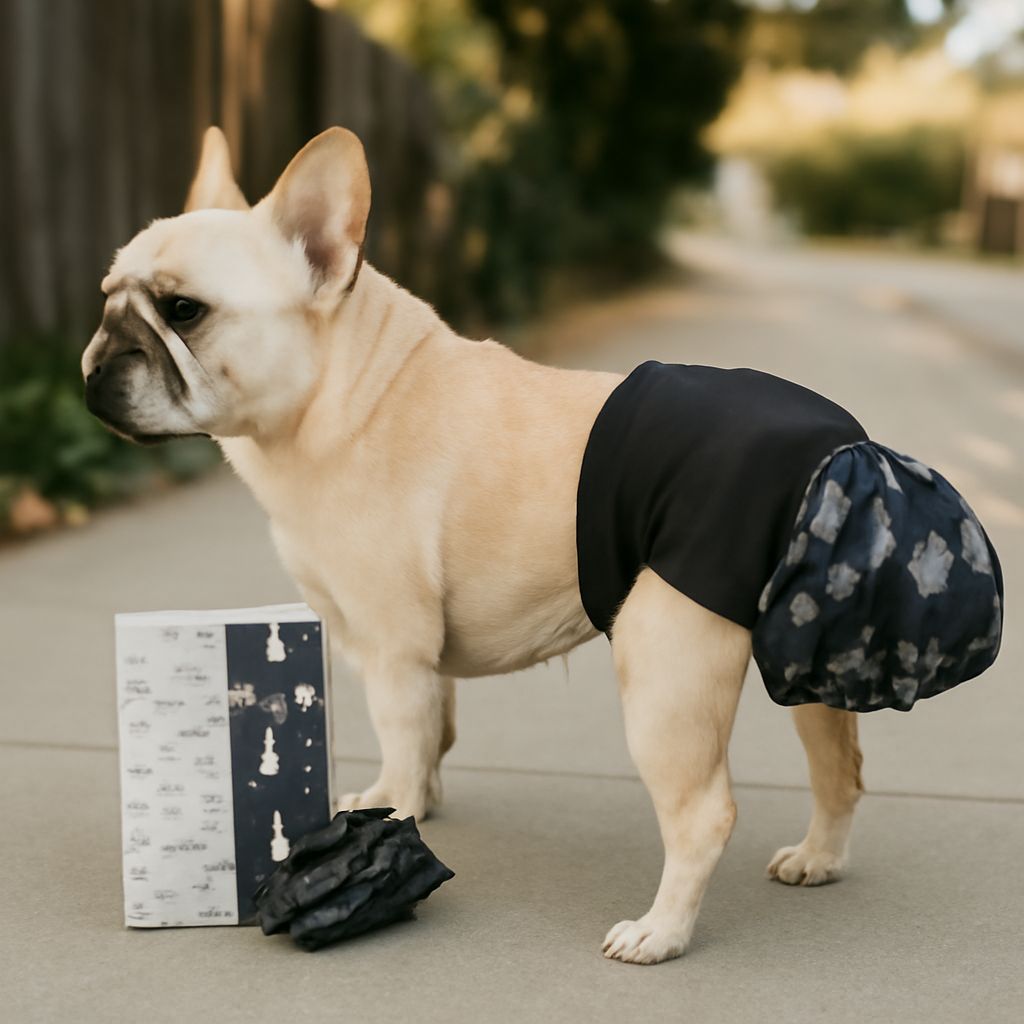
For neurological or trauma-related fecal incontinence, therapies such as physical rehabilitation or surgery might be necessary. In some cases, working with a licensed veterinary specialist for complex cases can offer more effective results. Additionally, using doggy diapers or implementing a consistent bathroom schedule can help manage symptoms while treatment is underway.
How to Prevent Fecal Incontinence in Dogs?
Prevention of fecal incontinence focuses on maintaining your dog’s overall health and digestive function. Providing a balanced diet and avoiding sudden changes in food can help safeguard against digestive disturbances. Regular veterinary check-ups are essential for detecting and addressing any emerging health issues early on.
Exercise plays a crucial role in keeping a dog’s digestive system functioning properly. Regular physical activity aids digestion and can prevent obesity, a risk factor for incontinence. Lastly, ensuring a safe environment to prevent injuries that might lead to nerve damage is paramount in preventing this condition.
By understanding the nature of fecal incontinence in dogs and taking proactive steps, pet owners can effectively support their pets and enhance their quality of life. With appropriate care and attention, managing dog leaking poop becomes a more straightforward task, leading to a happier and healthier pet.