Fluffy dog breeds have long been a source of fascination and affection. Despite common misconceptions, not all fluffy dogs require endless grooming or live exclusively in colder climates. Many of these fluffy companions are surprisingly low-maintenance and adaptable, making them perfect for a diverse range of owners. Understanding the traits of these charming breeds can help you choose the right companion to fit your lifestyle.
The fluffiest dogs often bring joy to families due to their luxurious coats and engaging personalities. Yet, potential owners sometimes shy away, fearing the grooming challenges they assume come with such fluffy coats. This myth-busting exploration of fluffy dog breeds will provide insights into their true nature, helping you discover if one of these delightful breeds is the ideal furry friend for you.
What Makes a Dog Fluffy?
The fluffiness of a dog is largely determined by the type and structure of its coat. Breeds with double coats, consisting of a dense undercoat and a softer, longer topcoat, tend to appear fluffier. These coats serve to insulate the dog, providing warmth in colder environments. However, fluffiness is not solely about the coat’s texture; it also involves the volume and the way the fur stands or falls naturally.
Genetics play a crucial role in the fluffiness of a breed. Dogs bred for colder climates often have the fluffiest coats. But fluffiness can also be found in many companion breeds, tailored to be soft and huggable. It’s essential to note that a fluffy coat doesn’t equate to high maintenance—some fluffy dogs shed minimally and require standard grooming.
Top Fluffiest Dog Breeds
Several breeds stand out for their exceptionally fluffy coats. The Samoyed, with its thick, white fur, is renowned for its beauty and warmth—a perfect example of fluffiness designed for harsh climates. The Pomeranian, though small, possesses a voluminous double coat that gives it a distinctly fluffy appearance.
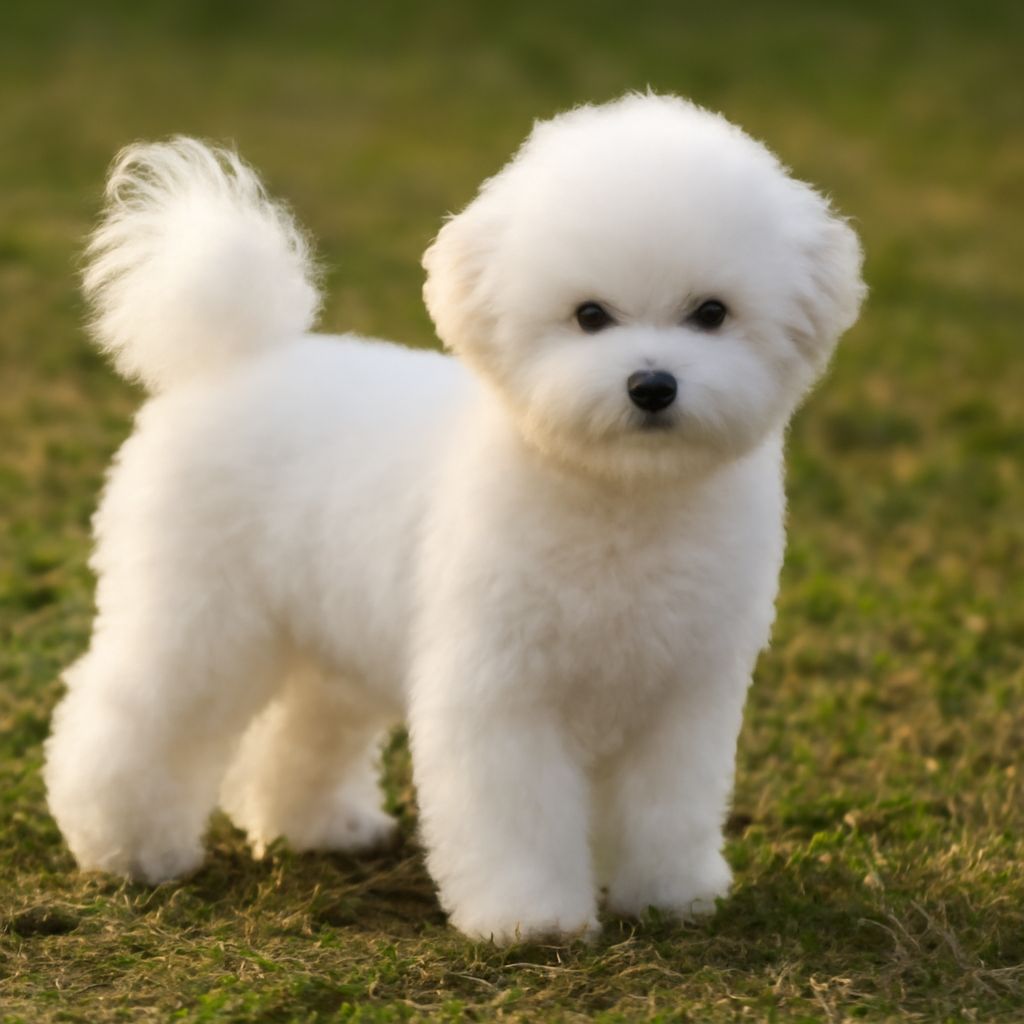
The Chow Chow is famous for its lion-like mane, offering both fluffiness and a majestic presence. Similarly, the Bichon Frise, with its soft, curly coat, is the epitome of a lap dog with an irresistibly fluffy charm. Each of these breeds boasts unique traits that can cater to different owner preferences, from active lifestyles to more relaxed home environments.
How to Care for Your Fluffy Dog
Grooming Tips
Proper grooming is essential for maintaining the fluffiness and health of your dog’s coat. Regular brushing, ideally several times a week, helps prevent matting and distribute natural oils. For some breeds, professional grooming every few months can assist in managing their coat’s length and condition.
Owners should be aware of specific grooming needs, such as trimming around the eyes or cleaning ears, which may differ depending on the breed’s characteristics. Consult a licensed stylist for complex grooming tasks like color correction or severe matting, ensuring your fluffy friend remains comfortable and stylish.
Nutrition Advice
A balanced diet is key to supporting a healthy coat. High-quality dog food that provides essential fatty acids will help keep your dog’s fur shiny and fluffy. Incorporating supplements like fish oil can further enhance coat health, but always check with your veterinarian before making dietary changes.
Choosing the Right Fluffy Dog for You
Selecting the perfect fluffy dog involves considering your lifestyle, environment, and the specific traits of the breed. While some fluffy dogs thrive in active outdoor settings, others prefer the tranquility of home life. Consider the amount of time you can dedicate to grooming and exercise when choosing a breed.
Research various breeds to understand their temperament, health considerations, and activity levels. Matching these characteristics with your personal lifestyle will guide you to a fulfilling companionship with your chosen fluffy dog. With the right match, your fluffy friend can bring joy and warmth to your life for many years.