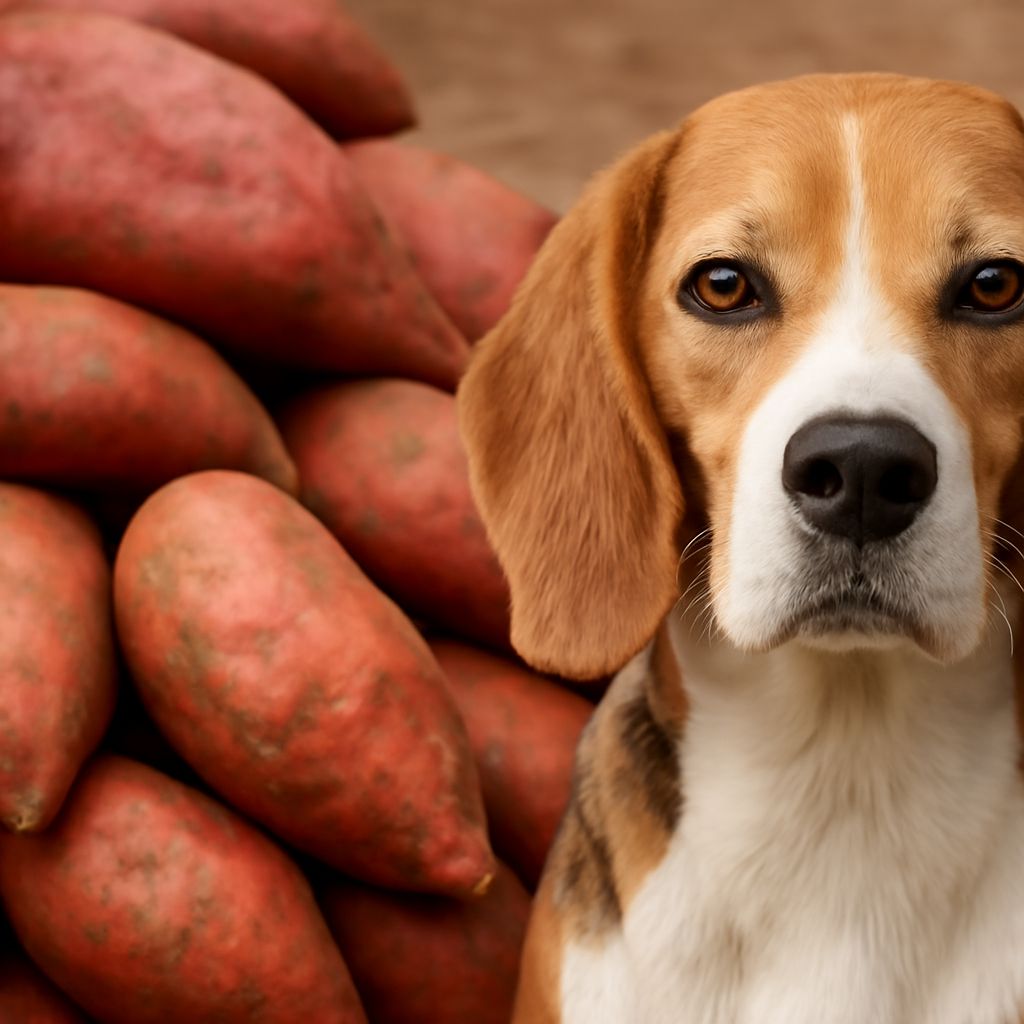
Amidst the myriad of foods we share with our canine companions, potatoes often spark debate. Are potatoes good for dogs, or do they pose a hidden risk? This question puzzles many pet owners who are eager to offer varied tastes to their furry friends while ensuring their safety. The truth is, dogs and potatoes can indeed coexist in a healthy diet, but it’s essential to understand the nuances involved.
Some myths suggest that the humble potato is harmful to dogs, akin to the way chocolate or grapes are. However, this is not the case. Potatoes, when prepared correctly, can be a safe and nutritious addition to your dog’s meals. This article delves into the benefits, preparation methods, and potential risks associated with feeding potatoes to dogs.
Are Potatoes Safe for Dogs?
Potatoes are generally safe for dogs to eat when they are cooked and served in moderation. Raw potatoes contain solanine, a compound that can be harmful to dogs. Cooking potatoes reduces solanine levels, making them safe for canine consumption. It’s always advisable to introduce any new food gradually and observe your dog for any adverse reactions.
Nutritional Benefits of Potatoes for Dogs
Potatoes offer several nutritional benefits to dogs, primarily when included as part of a balanced diet. Rich in essential vitamins such as vitamin C, B6, and minerals like potassium, potatoes can complement the nutritional profile of your dog’s meals. These nutrients are crucial for maintaining a healthy immune system, nerve function, and energy levels in dogs.
Moreover, potatoes are a good source of dietary fiber, which aids in digestion and can help maintain a healthy weight. The carbohydrates in potatoes serve as a quick energy source, perfect for active dogs needing a burst of energy for play or exercise.
How to Prepare Potatoes for Your Dog
When preparing potatoes for your dog, ensure they are thoroughly cooked, as raw potatoes can be harmful. Boiling or baking are the best methods, as they do not introduce any harmful additives. Avoid adding butter, salt, or spices, as these can irritate your dog’s digestive system or lead to health issues.
Peeled and diced potatoes should be cooked until soft and then cooled to a safe temperature before serving. Serving size should be moderate, and potatoes should never make up more than 10% of your dog’s diet to maintain nutritional balance.
Potential Risks of Feeding Potatoes to Dogs
While potatoes can be beneficial, there are potential risks to consider. Some dogs may have sensitivities or allergies to potatoes, resulting in gastrointestinal upset or itchy skin. Monitoring your dog’s reaction after introducing potatoes is crucial to identify any negative responses early on.
Another risk lies in feeding dogs too many potatoes, which can lead to obesity due to their carbohydrate content. It’s important to ensure potatoes are just a small part of a varied diet that meets all nutritional needs. In cases where dogs have existing health conditions such as diabetes, consulting a veterinarian before introducing potatoes is wise.
Finally, avoid feeding your dog potato skins, green potatoes, or any potatoes that have sprouted, as these parts contain higher levels of solanine.