When it comes to our beloved pets, understanding potential health threats such as ticks is crucial. Many pet owners might believe that only specific breeds, like the griffon dog, are susceptible to ticks, yet ticks pose a risk to all dogs regardless of their breed or age. It is also a common misconception that ticks are only a concern during outdoor adventures. In reality, ticks can latch onto your pet even in your backyard. Whether you’ve recently considered a griffon dog for sale or are simply an attentive pet owner, knowing the tick symptoms in dogs can play a pivotal role in safeguarding their health.
Even if you’re familiar with how to measure a dog for a muzzle, understanding how to effectively check your dog for ticks is equally important. Without this knowledge, you might miss early signs of tick infestation, which could lead to serious health issues. Let’s delve into recognizing tick symptoms, effective checking methods, and the differences between dog ticks and deer ticks.
What Are the Common Tick Symptoms in Dogs?
Ticks can cause a variety of symptoms in dogs, some of which might go unnoticed until they become severe. Early signs include excessive licking or scratching at a particular spot. Dogs may also develop skin redness or inflammation where a tick has attached itself. In more advanced cases, you might witness symptoms such as lethargy, fever, or loss of appetite. If these signs are present, it may indicate a tick-borne illness.
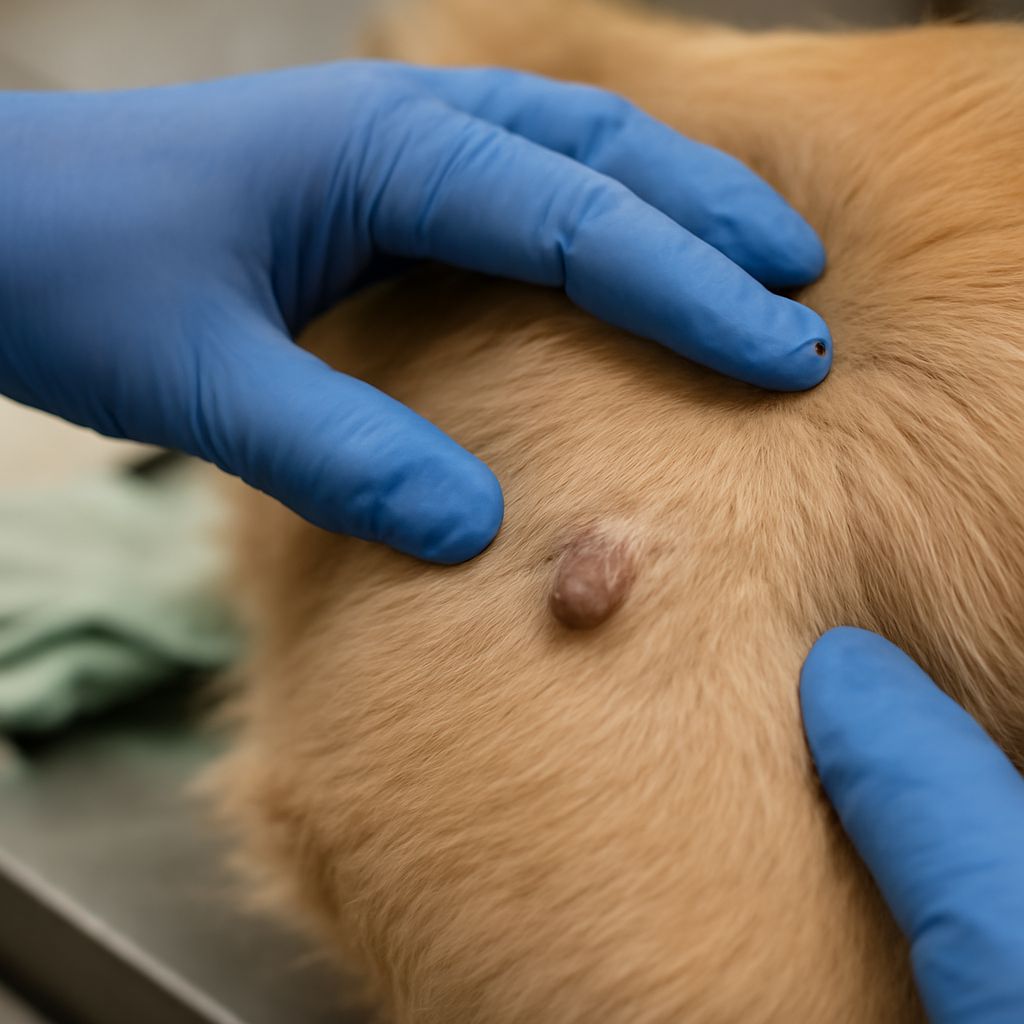
A key indicator of tick presence is the formation of small bumps on the dog’s skin. These occur where ticks have bitten and can sometimes be mistaken for skin growths or injuries. It’s important not to overlook these subtle hints, as they could be the first signs of a tick problem. Ensuring your furry friend remains healthy means being vigilant for these symptoms regularly.
How to Check Your Dog for Ticks Effectively
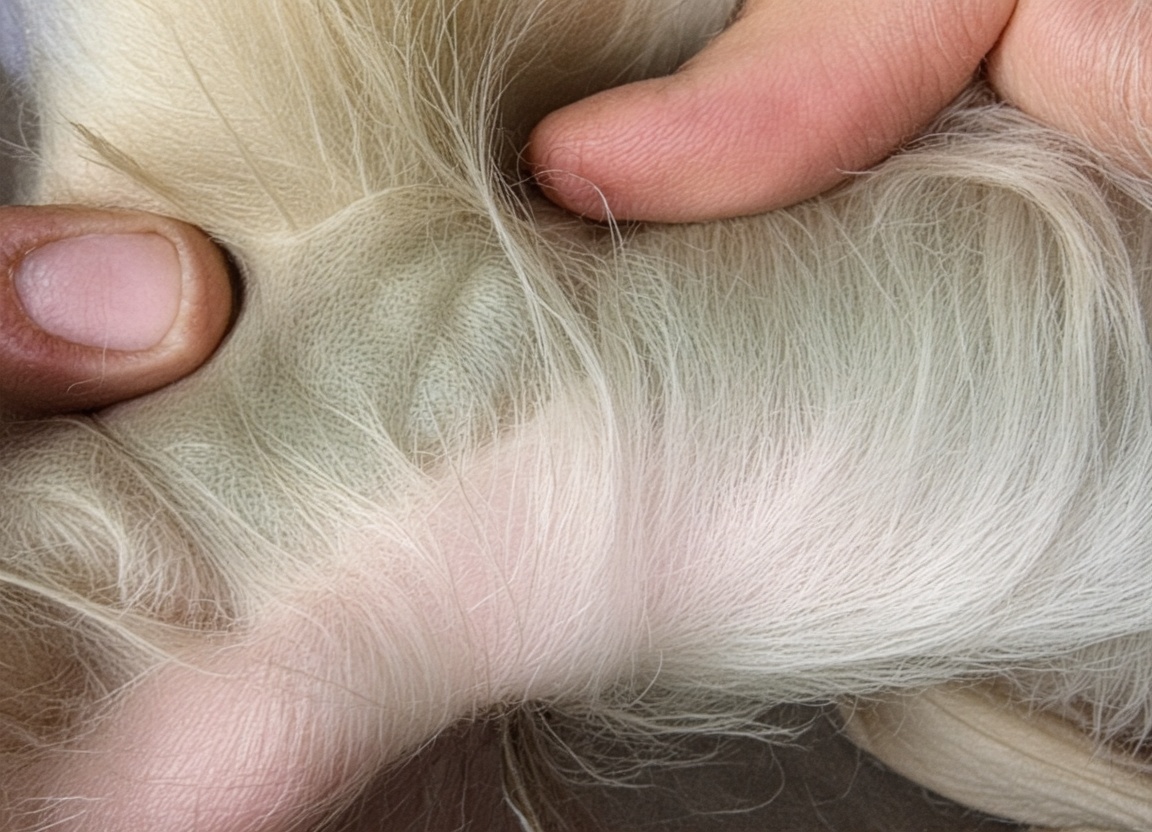
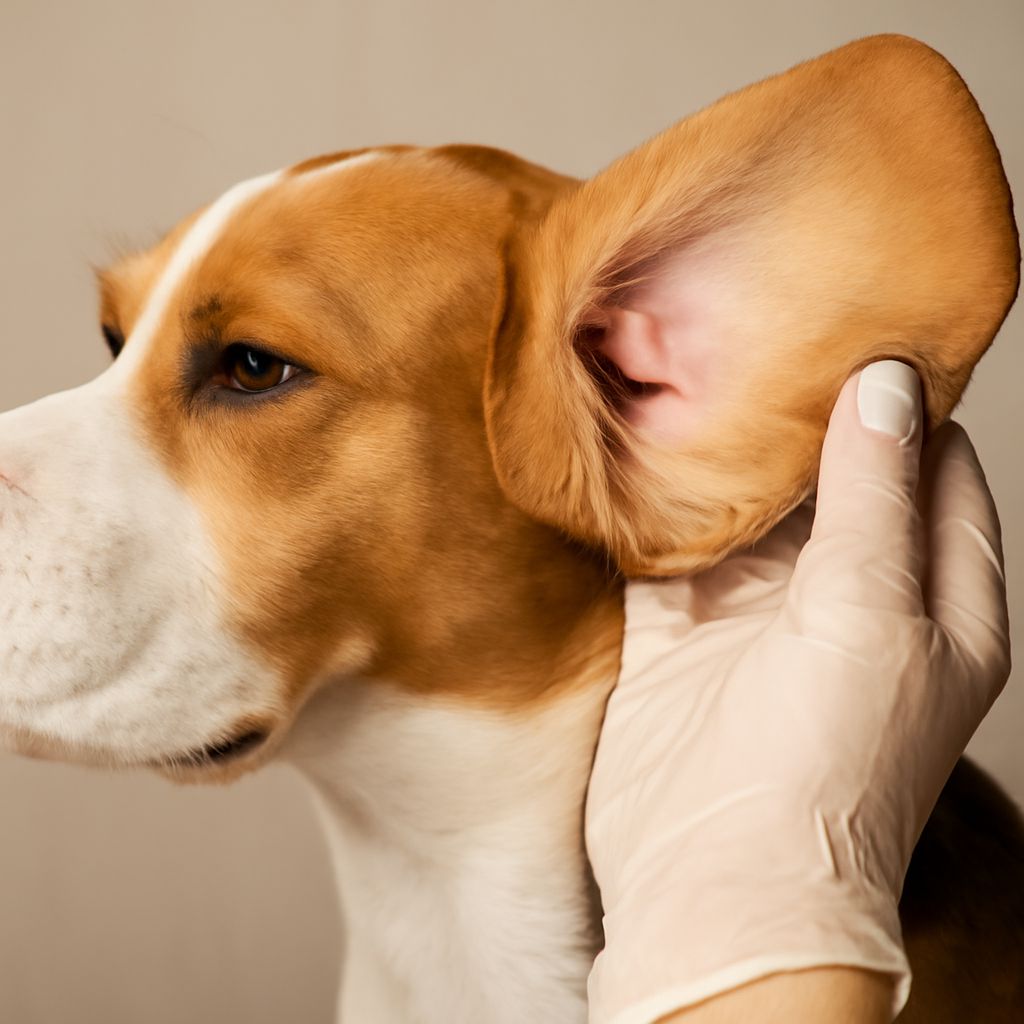
Checking your dog for ticks should become a routine part of their care, especially if you live in an area prone to ticks. Start by running your fingers through your dog’s coat, feeling for any unusual lumps or bumps. Pay close attention to areas around the ears, neck, and underbelly, as ticks tend to prefer warm and hidden spots.
If you find a tick, do not panic. Use fine-tipped tweezers to grasp the tick as close to the skin as possible and pull upwards with steady pressure. Avoid twisting or jerking, as this can leave parts of the tick embedded in the skin. After removal, clean the bite area with antiseptic and wash your hands thoroughly. Regular checks can prevent serious health problems and keep your pet comfortable and happy.
Dog Ticks vs Deer Ticks: What’s the Difference?
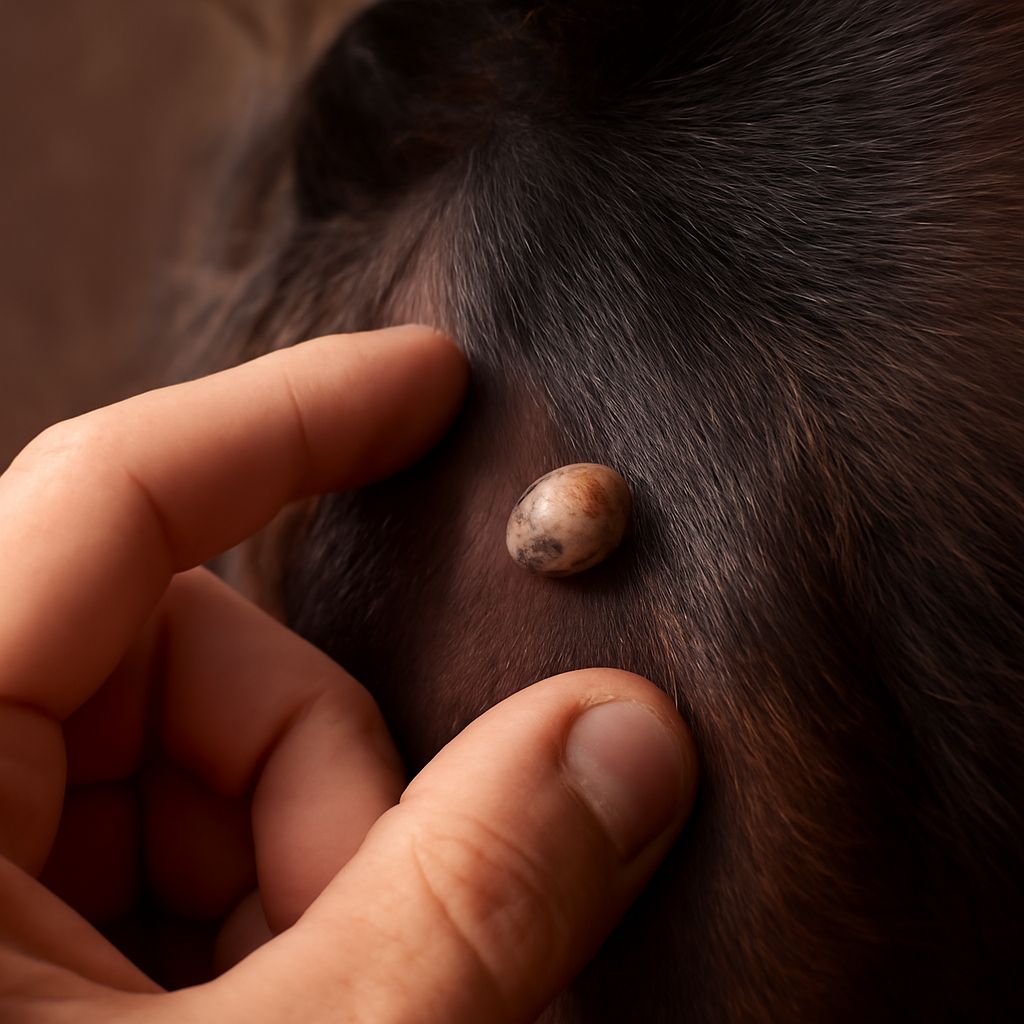
Understanding the differences between dog ticks and deer ticks is essential for effective pet care. Dog ticks, often larger and easier to spot, are known for their brown color and can transmit diseases like Rocky Mountain spotted fever. On the other hand, deer ticks are smaller and can carry Lyme disease, posing a significant health risk to your pet.
Detecting these ticks early can prevent the transmission of such illnesses. Regular grooming sessions and using preventive treatments can be beneficial. Consult a vet for advice on the best tick prevention products suitable for your dog’s needs.
Both types of ticks require attention to detail when it comes to removal and prevention. Understanding these differences can aid in selecting the right treatment and ensuring your pet’s safety.
Bottom line: Maintaining your dog’s health involves regular checks for ticks and understanding the symptoms they present. Whether you’re checking a griffon dog for sale or managing your current pet, vigilance is key. Always consult a licensed veterinarian for advice tailored to your pet’s specific needs and conditions.