When it comes to keeping your home free from ants, many people mistakenly believe that all pest control solutions are harmful to pets. Fortunately, there are pet safe ways to get rid of ants in the house without endangering your furry friends. Pet friendly ant sprays offer a viable alternative, allowing you to effectively tackle ant invasions while ensuring the safety of animals in your home.
Similarly, when discussing dog eyelid cysts, misconceptions arise about their severity and treatment options. While some owners may panic, understanding these common issues can help provide better care for your pets without undue stress. Let’s explore pet-friendly solutions to common household challenges.
Why Choose a Pet Friendly Ant Spray?
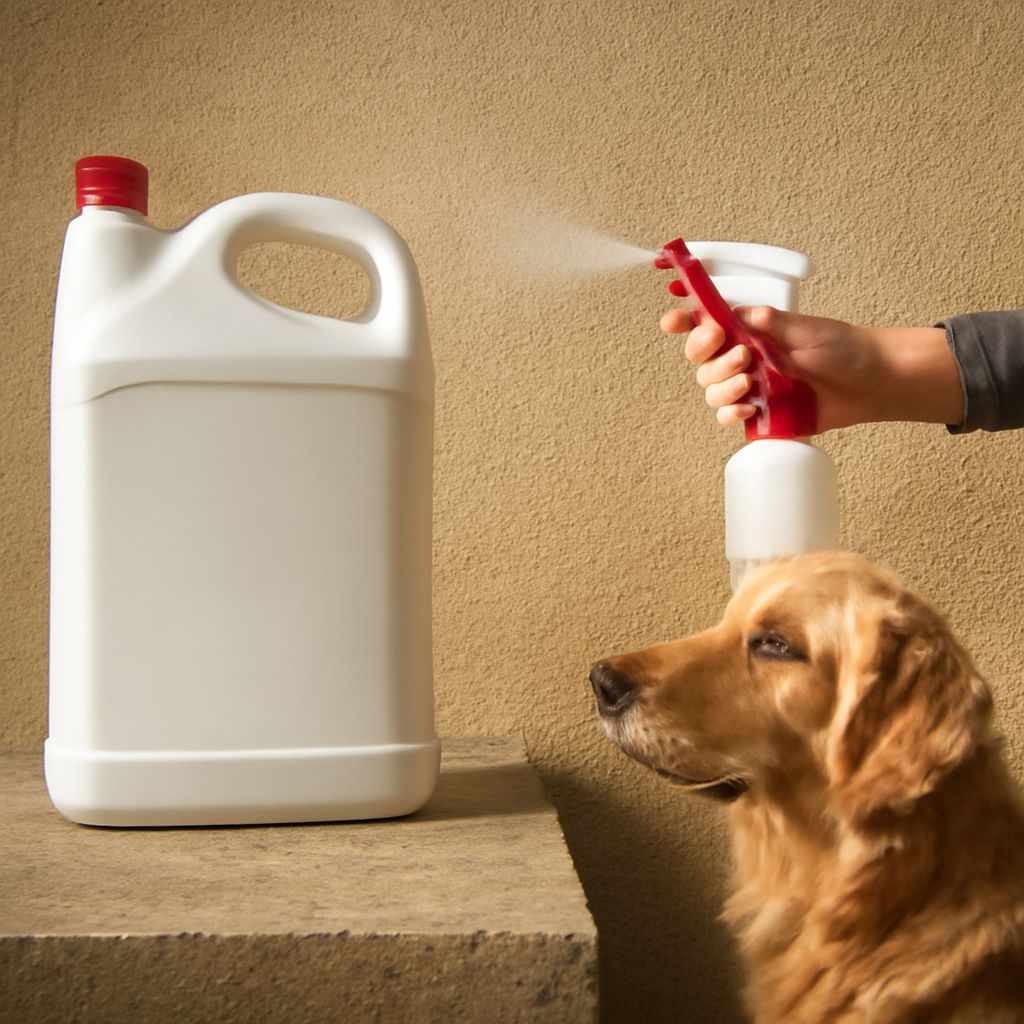
Choosing a pet friendly ant spray ensures the safety of your pets while effectively managing ant infestations. Many traditional sprays contain harsh chemicals that can be toxic to animals. Pet-friendly options are designed to minimize these risks by using natural or less harmful ingredients. This makes them ideal for households where pets roam freely.
Pet-friendly sprays often utilize essential oils, like peppermint or citrus, which ants find repulsive. These natural deterrents can be just as effective as synthetic chemicals while being gentler on pets. It’s important to read labels and select products explicitly marked as safe for animals.
How to Use an Indoor Ant Killer Safe for Pets
Using an indoor ant killer safe for pets is straightforward but requires some precautions. First, ensure your pets are not in the room where you will be applying the treatment. This prevents any accidental ingestion or exposure while the spray settles.
Apply the ant spray generously in areas where ants are commonly found, such as along baseboards, near doorways, and around kitchen countertops. Always follow the manufacturer’s instructions regarding application frequency and dosage to maintain efficacy without compromising pet safety.
Regular monitoring of ant activity can help identify whether additional applications are necessary. Always store the product securely, out of reach of curious pets, to prevent any accidents.
Understanding Dog Eyelid Cysts
Dog eyelid cysts are relatively common and typically benign. They can appear as small, raised bumps on or around the eyelid. While often harmless, these cysts can sometimes irritate or interfere with a dog’s vision. Consulting a veterinarian is recommended if you notice any swelling or discharge.
Management usually involves monitoring the cyst for changes in size or appearance. In some cases, surgical removal may be suggested, especially if the cyst becomes bothersome or infected. It’s crucial to rely on professional assessment to determine the best course of action.
Can a Head Collar Dog Device Help?
A head collar dog device can be a useful tool in managing behavioral issues and improving control during walks. These devices gently guide a dog’s head, making it easier to direct attention and discourage pulling on the leash. They are particularly beneficial for larger breeds or those prone to lunging.
When introducing a head collar, ensure that it’s fitted correctly and your dog is comfortable. Gradual acclimatization can prevent resistance or fear. Combining the use of a head collar with positive reinforcement techniques can enhance training outcomes. For complex behavioral challenges, consulting a professional trainer may be advisable.
Safety Recap: When using pet-friendly ant sprays and indoor ant killers, always prioritize the well-being of your pets. Follow the product guidelines closely and consult with professionals for any severe pest issues or persistent dog eyelid cysts. Ensure devices like head collars are used appropriately to complement your training regime.