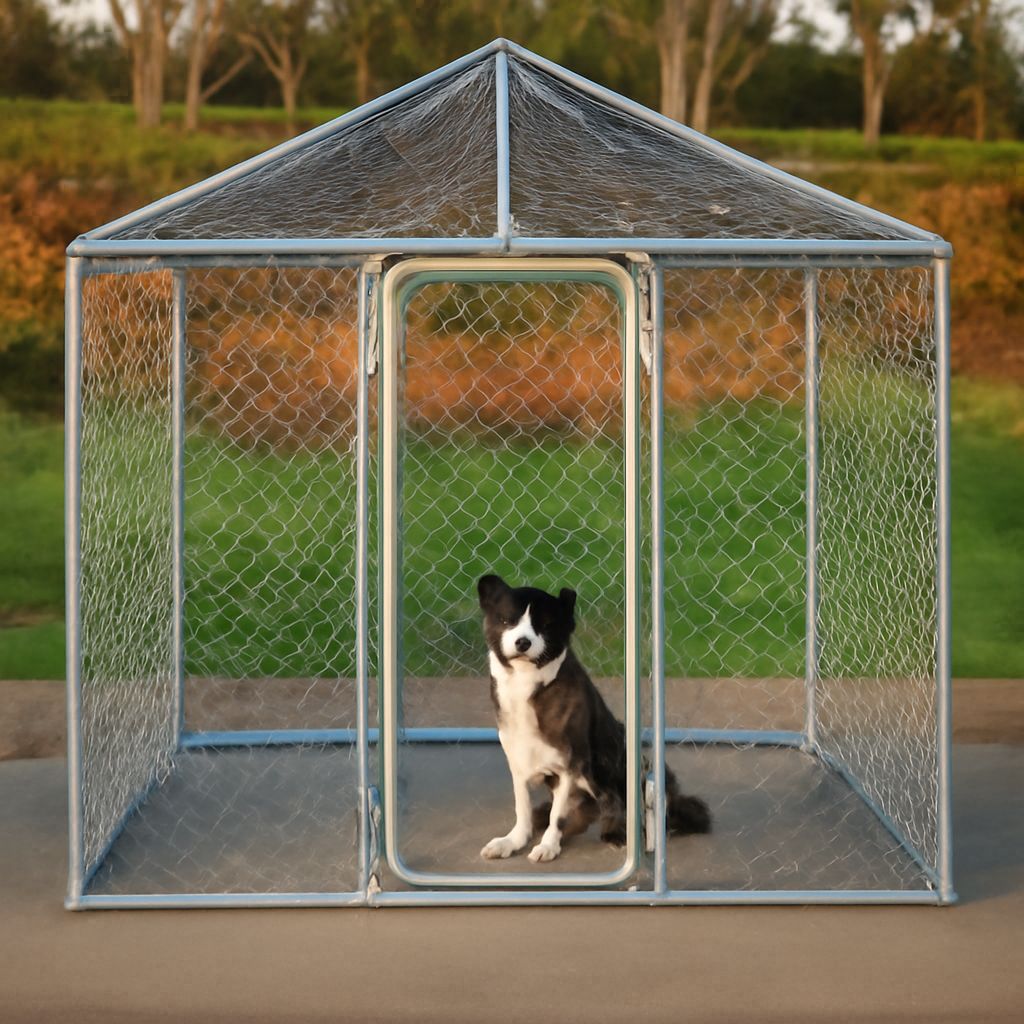
When considering the best routine for your dog’s nighttime behavior, many pet owners find themselves grappling with the question: is it cruel to crate a dog at night? There’s a prevailing myth suggesting that crating is inherently cruel and should be avoided at all costs. However, this perspective often overlooks the nuances of crating, especially when done correctly. Core dog vaccines are crucial for health, but the decision to crate a dog involves its own set of considerations that can impact your pet’s comfort and well-being.
Crating a dog at night can actually be beneficial when approached thoughtfully. It’s not about confining a pet unnecessarily but about providing a safe space that can enhance their sense of security. Let’s explore the pros and cons of nighttime crating, understanding what it truly entails.
Understanding Dog Crating at Night
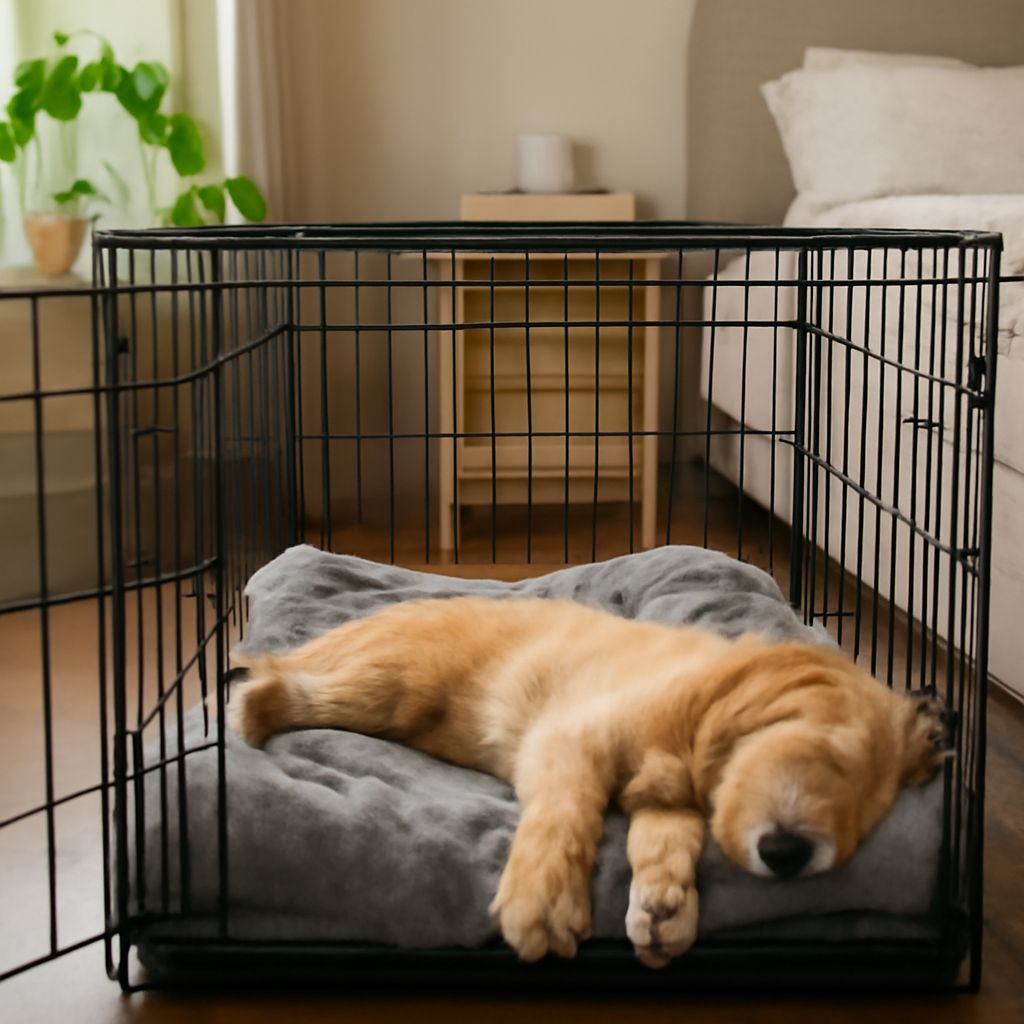
Dog crating involves using a designated enclosure to house your pet during sleeping hours. This practice can help maintain household harmony and provide a structured environment where your dog feels protected. Crates serve as a den-like space that caters to a dog’s instinctual need for a safe and enclosed area. When introduced properly, crating aligns with your pet’s natural behavior, making the transition smooth and stress-free.
It’s vital to ensure that the crate is appropriately sized for your dog, allowing them to stand, turn, and lie comfortably. This investment in your dog’s nighttime routine could pay off in terms of improved behavior and reduced anxiety.
The Benefits of Nighttime Crating
Crating provides several advantages, including reinforcing potty training. Dogs naturally avoid soiling their sleeping area, thus encouraging them to hold their bladder overnight. This is especially beneficial for puppies who are still learning proper bathroom habits.
Another benefit is protection. Crating prevents your pet from getting into trouble around the house during the night. When unsupervised, dogs may chew on dangerous items or ingest something harmful. A crate offers peace of mind, knowing your furry friend is safe while you rest.
Additionally, crates can help manage separation anxiety. With a comforting space that feels like their own, dogs might find solace in crating when away from their owners, thereby reducing stress-related issues.
Potential Concerns About Crating
While nighttime crating has its benefits, there are some potential drawbacks to consider. Over-reliance on crating can lead to issues if a dog spends too much time confined, leading to restlessness or behavioral problems. Ensure that crating is balanced with ample opportunities for exercise and social interaction throughout the day.
Improper use of a crate can also cause distress. If a dog associates crating with punishment or isolation, it may develop a negative view of the enclosure. It’s crucial to foster a positive association through gentle encouragement and routine training.
Consult a licensed pet behaviorist when dealing with specific concerns, such as excessive barking or anxiety that doesn’t improve with crating adjustments.
Alternatives to Crating Your Dog at Night
If you feel crating isn’t suitable for your dog, consider alternatives such as gating off a safe area or using a pet bed within an enclosed space. These options allow your dog freedom while still keeping them secure. Training your dog to find comfort in a designated sleep area without a crate can also be effective with the right approach.
Using interactive toys or calming music can enhance your dog’s bedtime routine, providing comfort and distraction from any separation anxiety they might face. Experiment with different setups to discover what works best for your pet’s needs.
Ultimately, creating a personalized sleep environment for your dog requires observation and patience, ensuring a safe and stress-free nighttime experience.
Safety Recap: Whatever method you choose, focus on safety and comfort for your pet. Ensure their environment is free from hazards and tailored to their specific needs. Consult a professional for complex behavior issues or when unsure about the best approach for your dog’s nighttime routine.