Many dog owners may be surprised to learn that their beloved pets can catch the flu. The idea of dog flu often seems like a myth, but canine influenza is a very real condition. Dog flu symptoms can manifest in various forms, and recognizing them is crucial for timely care. With the question looming, “How can my dog get the flu?” it’s essential to understand the transmission routes and preventive measures.
When a dog flu outbreak occurs, the spread is typically swift, leaving many scrambling to ensure their pets’ safety. This guide will help you navigate the symptoms, causes, and preventive strategies needed to keep your animal companion healthy, including how to protect your dog from the flu effectively.
What Are the Dog Flu Symptoms?
The symptoms of canine influenza resemble those of the human flu. Dogs may experience coughing, sneezing, and a runny nose. In some cases, a dog might develop a fever or exhibit lethargy. These signs of dog flu can vary in severity, with some dogs showing mild symptoms while others may become quite ill.
Pet owners should be vigilant if they notice their dog exhibiting any unusual behaviors or signs of illness. Canine flu symptoms can sometimes be mistaken for other respiratory problems, so it is important to monitor the dog’s condition closely. If symptoms persist, consulting a veterinarian is advisable for a proper diagnosis.
How Can My Dog Get the Flu?
Understanding how a dog can contract the flu is key to prevention. The canine flu virus is primarily spread through respiratory droplets, which can be transmitted from dog to dog through sneezing or coughing. Dogs can also pick up the virus by coming into contact with contaminated objects, such as food bowls or toys.
Environments where many dogs are present, such as kennels, dog parks, or grooming salons, can be hotspots for flu transmission. Thus, owners should be cautious about where they take their pets during flu season. Maintaining good hygiene and avoiding crowded areas during outbreaks can help reduce the risk.
What to Do During a Dog Flu Outbreak?
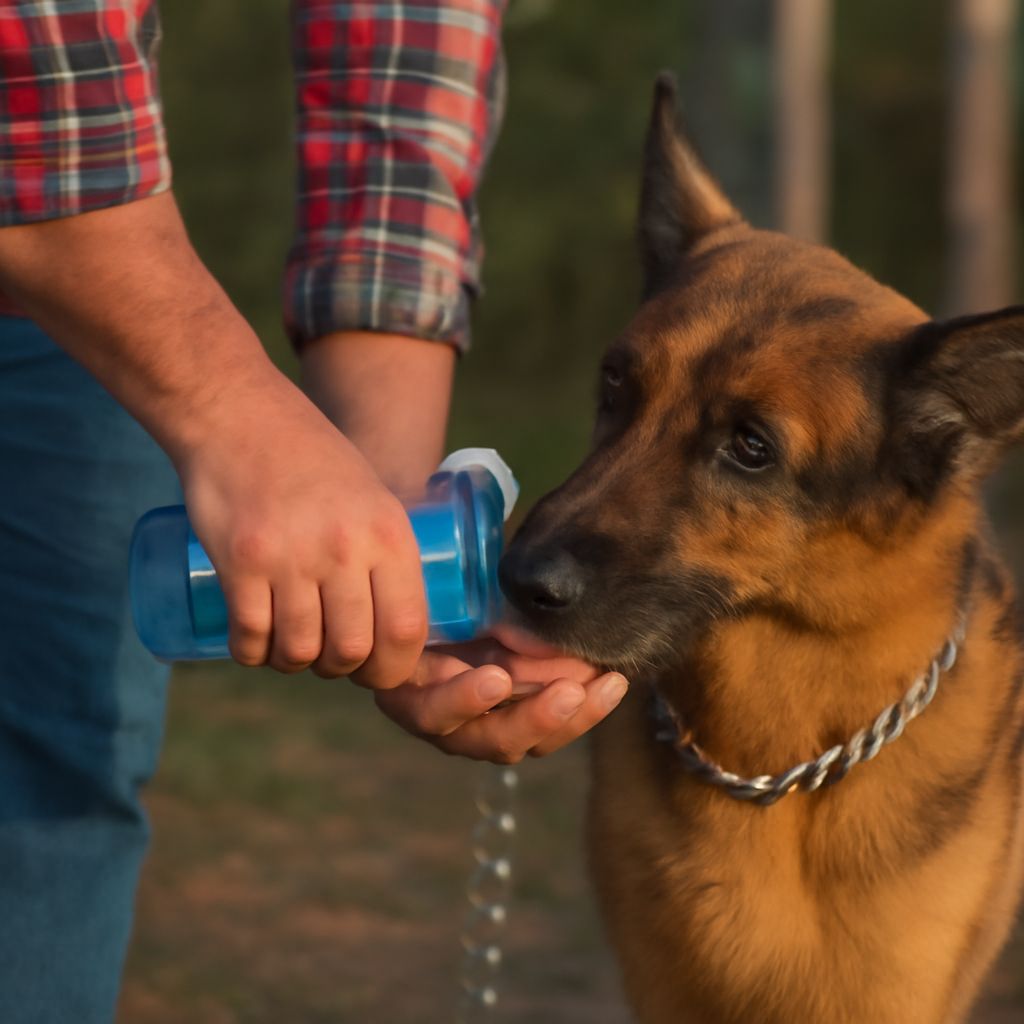
During an outbreak, the best course of action is to limit your dog’s exposure to other animals. If your pet is already showing symptoms of influenza, isolate them from other dogs to prevent further spread. Keeping your dog comfortable and ensuring they have plenty of fluids is crucial.
Veterinary care may be needed, especially if symptoms are severe. Treatment typically involves supportive care, as there is no specific antiviral for canine influenza. In some cases, secondary infections can occur, requiring antibiotics. Always seek professional advice from a vet, particularly if your dog has pre-existing health issues.
How to Protect Your Dog from the Flu
Preventative measures play a vital role in protecting your dog from the flu. Vaccinations are available for canine influenza and are recommended for dogs frequently exposed to other dogs. Discuss vaccination options with your veterinarian to determine if it is suitable for your pet.
In addition to vaccinations, maintaining a clean environment is essential. Regularly disinfecting your dog’s belongings and washing your hands after handling other dogs can help minimize the risk. Educating yourself about the latest canine flu outbreaks in your area can also guide your actions in keeping your pet safe.
Ultimately, a proactive approach and informed care can go a long way in ensuring your furry friend’s well-being during flu season. By staying informed and consulting with a veterinarian when necessary, you can effectively manage the health of your dog and prevent the spread of canine influenza.