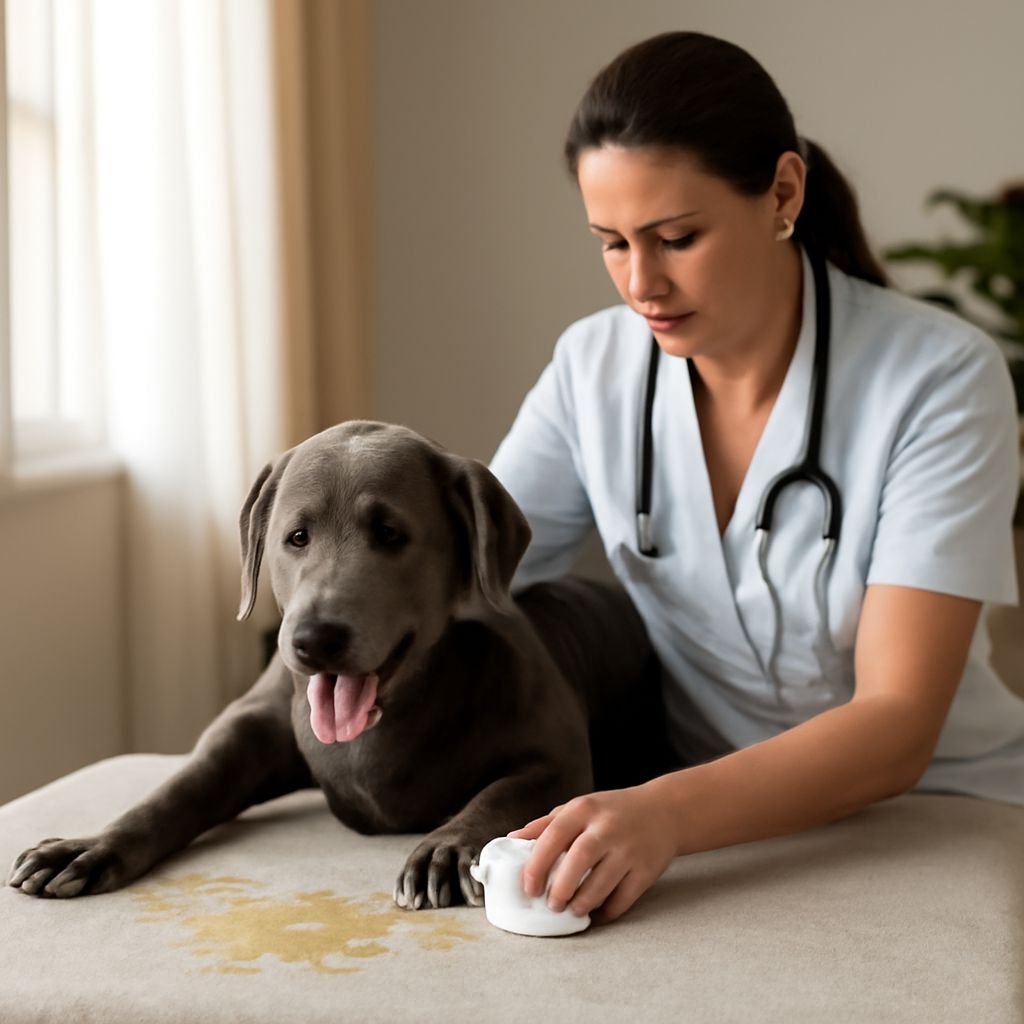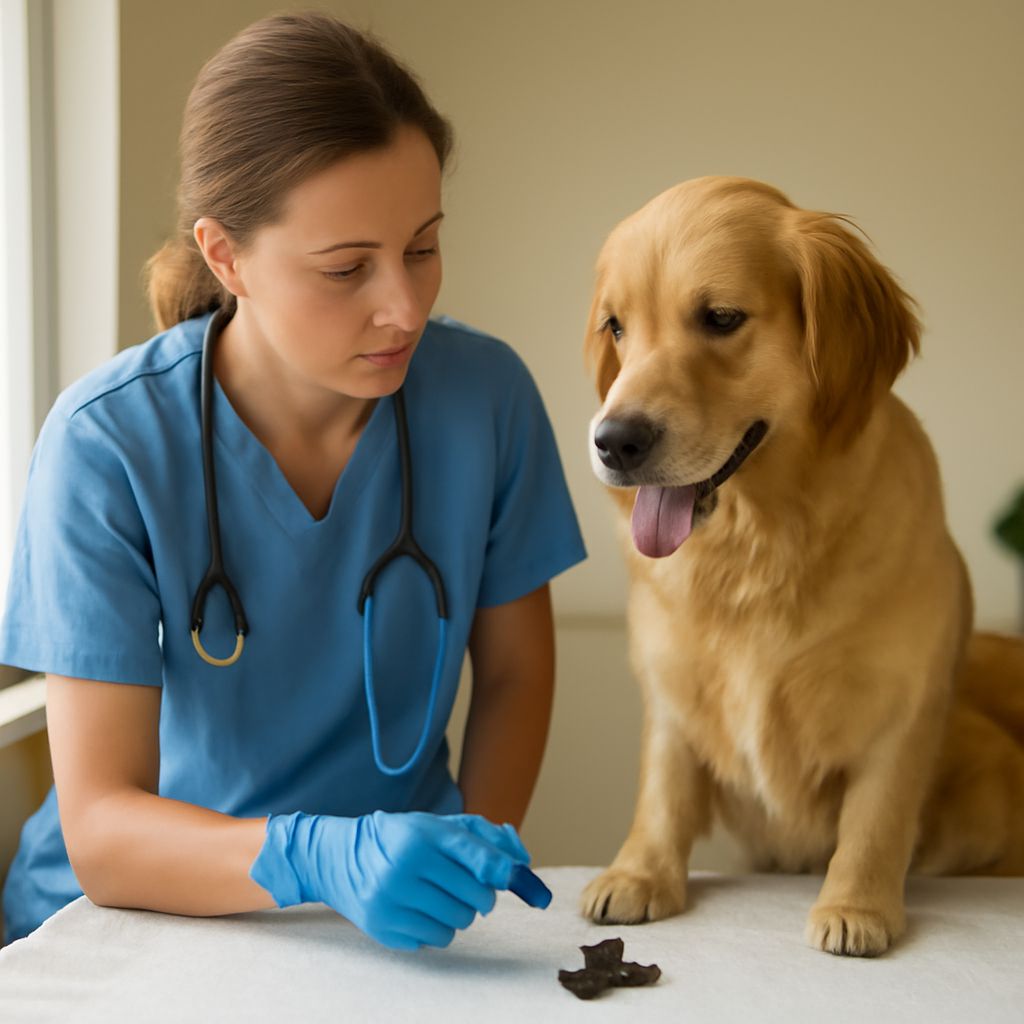
When it comes to pet care, few topics spark as much confusion as dog diarrhea. Contrary to popular belief, diarrhea in dogs is not always a singular issue with a single cause. Many well-meaning pet owners mistakenly assume that a change in diet or a simple upset stomach is the sole culprit. However, dog diarrhea can be surprisingly complex, influenced by various factors including dietary indiscretions and underlying health conditions. Understanding the multifaceted causes and knowing what to feed when your dog has a yeast infection can be crucial in managing your pet’s health effectively.
Furthermore, while some people might think that spoiling your dog with treats during times of distress is beneficial, this can sometimes exacerbate the problem. It’s essential to find a balance between providing comfort and ensuring that your actions do not compromise their health. This guide offers practical insights on how to teach your dog to stay healthy and content, even when dealing with digestive upsets.
What are the Causes of Dog Diarrhea?
There are numerous reasons why your dog might experience diarrhea. Dietary indiscretion, or eating something they shouldn’t have, is a common cause. This may include spoiled food, garbage, or even ingesting a foreign object. Infections such as viral or bacterial pathogens can also lead to gastrointestinal upset in dogs.
Another possible cause is a sudden change in diet, which can disrupt your dog’s digestive balance. Parasitic infestations, such as those from worms, often lead to diarrhea. Lastly, underlying medical conditions, including inflammatory bowel disease or pancreatitis, might also present with diarrhea as a symptom.
How to Manage Your Dog’s Diarrhea at Home
Managing your dog’s diarrhea at home involves a few careful steps. Initially, providing your dog with plenty of fresh water is crucial to prevent dehydration. Fasting your dog for 12 to 24 hours can help reset their digestive system, but ensure they have access to water during this period.
After fasting, reintroduce food slowly. Start with plain, easily digestible foods like boiled chicken or rice. Monitor your pet’s condition closely; if they do not improve or show signs of severe illness, consulting a veterinarian is paramount. For non-emergency situations, a gradual reintroduction of their normal diet is advisable to avoid further digestive upset.
What to Feed When Your Dog Has a Yeast Infection
A dog suffering from a yeast infection needs a carefully managed diet. Focus on foods that support gut health and do not contribute to yeast overgrowth. Incorporating probiotic-rich foods can be beneficial as they help balance the gut flora and combat yeast.
It’s essential to avoid foods high in sugar and carbohydrates, as these can fuel yeast infections. Opt for high-quality protein sources and vegetables that your dog can digest easily. Consulting your veterinarian can provide guidance tailored to your dog’s specific dietary needs and underlying health conditions.
How to Prevent Future Digestive Issues in Dogs
Preventing future digestive problems in your dog involves a combination of dietary management, regular vet check-ups, and maintaining a healthy lifestyle. Feeding your dog a balanced, high-quality diet that is appropriate for their age, size, and activity level is crucial.
Regular deworming and vaccinations can prevent infections that might lead to diarrhea. Teaching your dog to avoid scavenging through training can also reduce the risk of dietary indiscretions. Ensuring your dog gets regular exercise can aid digestion and promote overall health.
Finally, pay attention to any signs of food sensitivities or allergies, and adjust their diet accordingly to prevent chronic digestive issues.
Key takeaways: Understanding the causes of dog diarrhea is essential for effective management. Tailor your dog’s diet to address specific health conditions like yeast infections. Implement preventive measures such as proper training and regular veterinary care to reduce the risk of future digestive disturbances.