When it comes to walking dogs, many pet owners struggle with finding the right collar that prevents pulling without causing discomfort. The idea that all collars are the same is a common misconception. In fact, a no pull dog collar can transform your walking experience by minimizing tugging and training your pet to walk calmly. These specialized dog walking collars are designed to distribute pressure evenly, making them a preferred choice for those seeking a pleasant stroll with their furry friends.
Another myth is that walking is simply about letting your dog lead the way while you follow. However, dog trotting techniques can significantly improve your walking routine. Incorporating these practices not only enhances the bond with your pet but also promotes better physical health for both you and your canine companion. Additionally, while the term “transgender dog” might intrigue some, it’s crucial to understand that gender identity is a human concept and doesn’t apply to animals. Nonetheless, respecting their behavior and needs remains essential for a happy and healthy relationship.
What Makes a No Pull Dog Collar Different?
No pull dog collars are specifically engineered to discourage pulling by applying gentle pressure to the dog’s body when they attempt to pull away. This unique design helps train dogs to walk without straining against the leash. Unlike traditional collars that focus pressure on a small neck area, these collars distribute tension more evenly, which can prevent injuries and ensure a more comfortable walk for your pet.
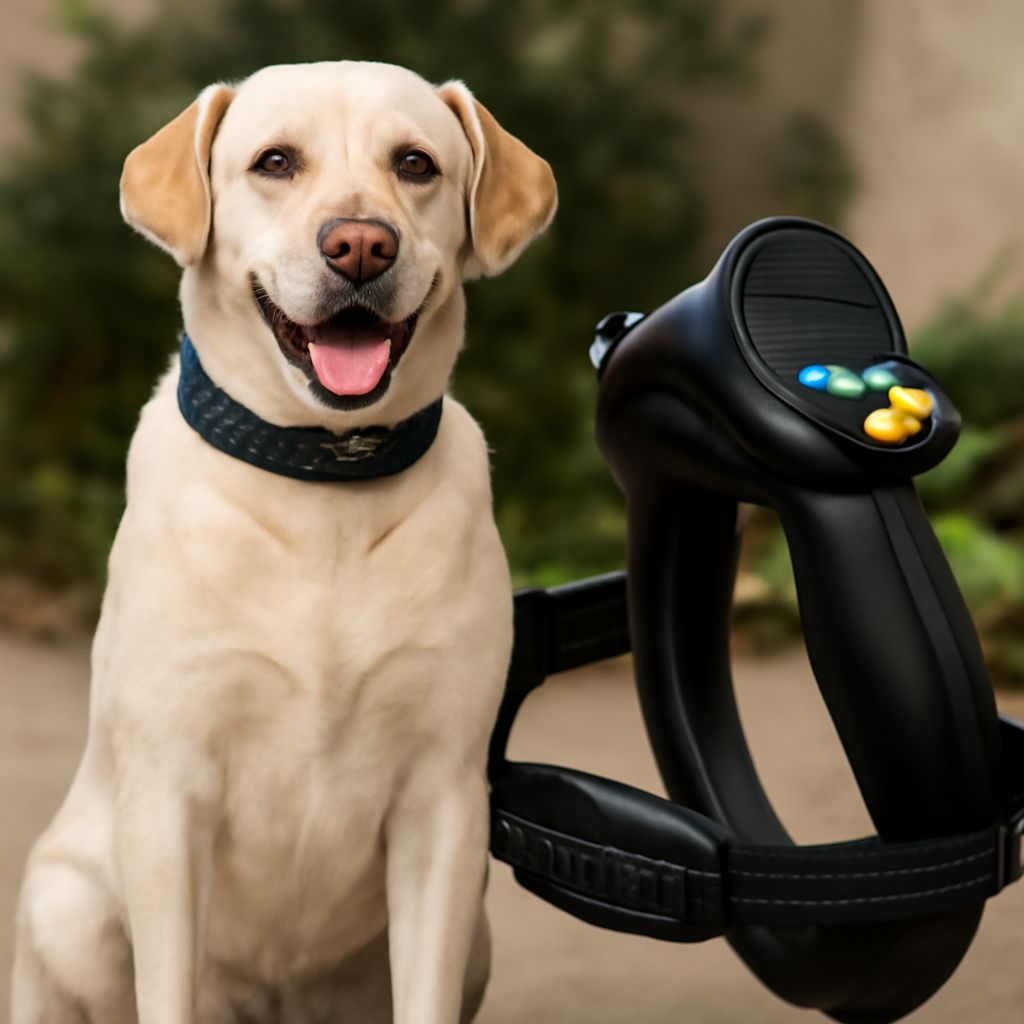
Various designs are available, such as harnesses that wrap around the dog’s torso or head collars that guide the dog’s head in the desired direction. These variations cater to different breeds and sizes, allowing pet owners to choose the best fit for their individual dog. It’s this customization and comfort that make no pull collars a standout option.
How to Choose the Best Dog Walking Collars
Selecting the right dog walking collars involves considering your pet’s size, breed, and specific walking behavior. While no pull dog collars are a popular choice, other options include flat collars, martingales, and choke chains. Each type has its benefits and ideal use cases, so understanding these differences is key to making an informed decision.
For instance, large dogs that pull excessively may benefit from a sturdy harness that provides more control, while smaller breeds might do well with lightweight designs. Always ensure the collar fits comfortably without restricting movement or causing chafing. Consulting with a licensed stylist or trainer can provide personalized advice and help address any persistent walking issues.
Can Dog Trotting Improve Your Walk Experience?
Dog trotting, a specific pace akin to a brisk walk, can greatly enhance your walking sessions. This technique encourages a rhythmic and even stride that benefits both the handler and the pet. By maintaining a consistent pace, you can help your dog expend more energy, which often results in a calmer temperament post-walk.
Implementing trotting into your routine also promotes cardiovascular health and increases muscle tone for both you and your pet. As a bonus, this practice can reinforce positive behavior, as dogs learn to match your pace and respond to your commands more effectively.
What is a Shutter Dog and How Does it Relate to Dogs?
The term “shutter dog” might initially confuse pet owners, as it traditionally refers to hardware used to secure shutters against a building. However, in the context of dog care, it symbolizes the stability and security provided by well-designed collars and leashes. Just as shutter dogs anchor shutters, a reliable collar anchors your dog’s behavior during walks.
Understanding the importance of secure and dependable equipment ensures that you can confidently manage your dog in various environments. Investing in quality gear reflects a commitment to safety and enhances the overall experience for you and your pet.
Key takeaways: No pull dog collars offer a practical solution for controlling pulling behavior, enhancing comfort and safety during walks. Incorporating dog trotting can improve physical health and behavior management. When selecting collars, consider professional advice for the best fit and functionality for your dog’s needs.