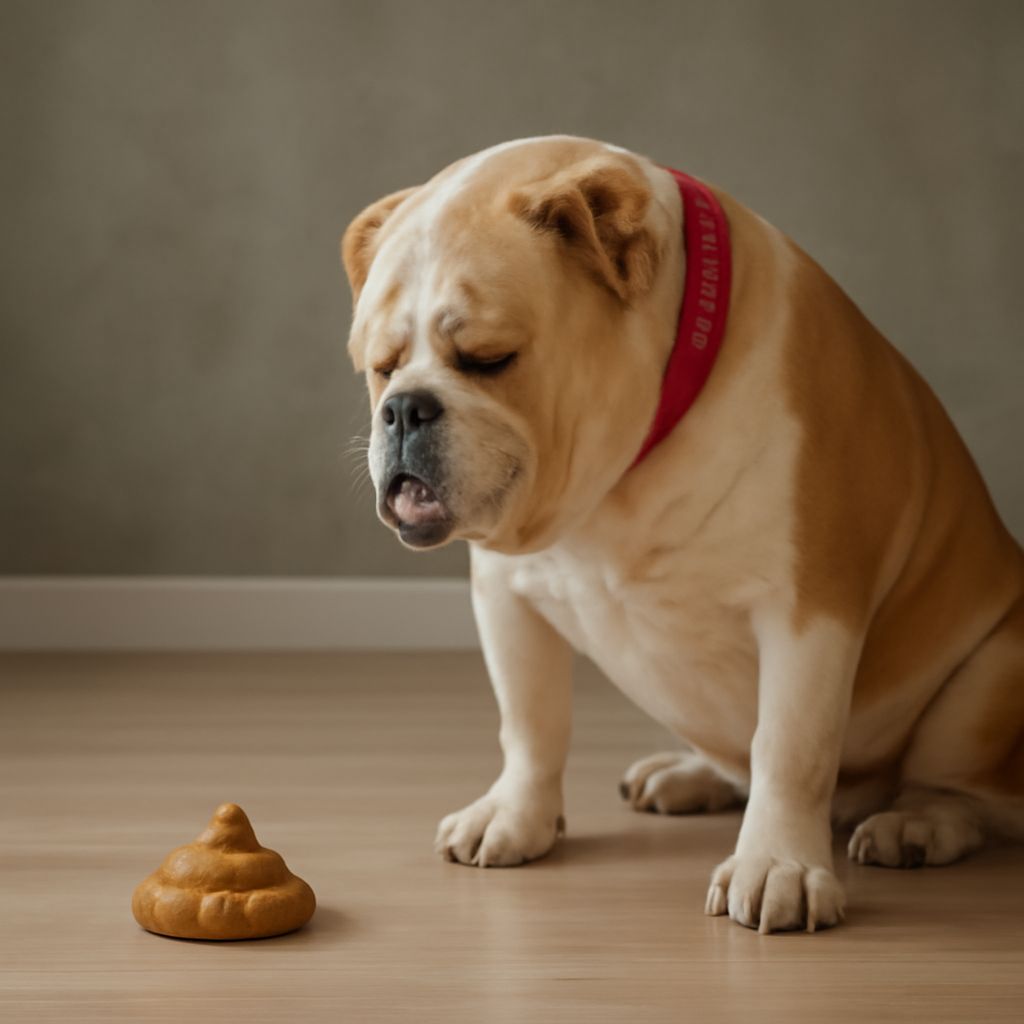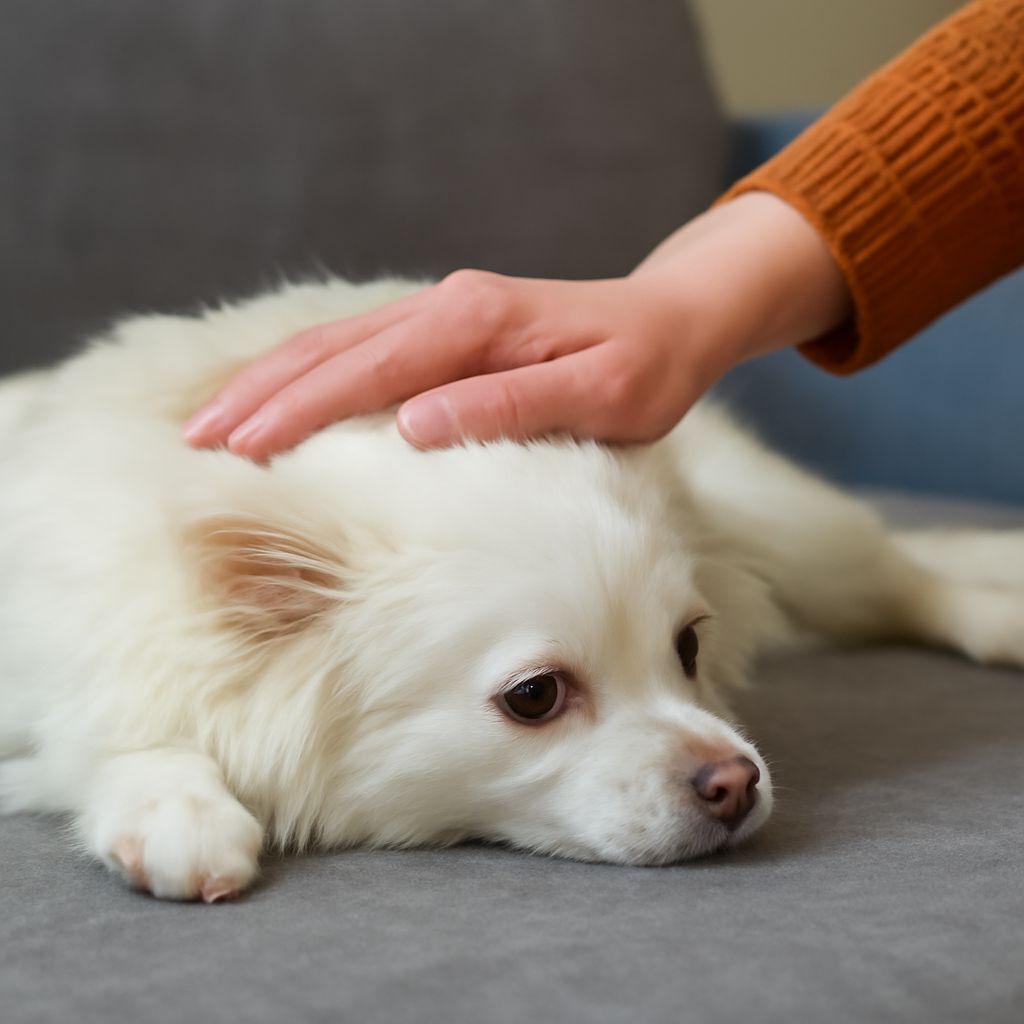
The sight of a dog vomiting after eating is unsettling for any pet owner, leading to a cascade of concerns about their health. It’s easy to jump to conclusions about indulgent eating habits or to mistakenly assume that this behavior is a natural part of a dog’s life. However, understanding the underlying reasons for this phenomenon is crucial for maintaining your pet’s well-being. Whether it’s a simple dietary indiscretion or a more complex medical issue, recognizing why your dog is experiencing this can aid in finding the appropriate solution.
There are numerous myths surrounding the issue of why a dog throws up after eating. Contrary to popular belief, it’s not always due to overeating or eating too quickly. While these factors can contribute, they are just the surface of deeper issues that may be affecting your furry companion. This article will explore the causes and offer guidance on what to do when your dog exhibits these symptoms.
Why Does My Dog Throw Up After Eating?
Understanding why your dog throws up after eating involves considering a variety of factors. While some cases are due to benign causes such as eating too fast, other instances may signal a more serious condition. Dogs have sensitive digestive systems, and something as simple as a change in diet can trigger vomiting.
In some cases, a rapid change in diet can upset a dog’s stomach, leading to vomiting. Additionally, stress or excitement during meals can cause your pet to vomit shortly after eating. Identifying the specific cause is essential in addressing the problem effectively.
Common Causes of Dog Vomiting After Eating
Several common factors can lead to a dog vomiting after eating. One prevalent cause is eating too quickly. When a dog gulps down food, it can result in regurgitation, where the food comes back up shortly after ingestion. This is especially common in multi-pet households where competition over food exists.
Another factor could be food intolerance or allergies. Certain ingredients in commercial dog foods may not agree with your dog’s digestive system, causing a reaction that leads to vomiting. A sudden switch from one type of food to another without a gradual transition can also lead to digestive upset.
Infections or underlying health issues such as gastritis, pancreatitis, or intestinal obstructions are more severe causes that require veterinary attention. If vomiting is persistent or accompanied by other symptoms like lethargy, diarrhea, or a change in appetite, it’s vital to seek professional advice.
What to Do When Your Dog Throws Up After Eating
When your dog throws up after eating, assessing the situation calmly can help determine the next steps. If the vomiting is infrequent and your dog appears otherwise healthy, it might be a minor issue. Slowing down your dog’s eating pace by using a slow feeder bowl can help manage this problem.
Monitoring your dog’s diet is another valuable step. Ensure that any dietary changes are introduced gradually over a week or more to minimize digestive disruptions. Opt for high-quality dog food that suits your pet’s specific dietary needs and avoid table scraps that may contain harmful ingredients.
If vomiting persists or is accompanied by other troubling symptoms, consult a veterinarian to rule out any serious health problems. A professional evaluation can provide insight into whether a specific medical treatment or dietary adjustment is necessary.
Ultimately, the key to addressing your dog vomiting after eating involves observing their behavior and taking proactive steps to manage their diet and eating habits. With proper care and attention, you can ensure your dog’s digestive health is well maintained.