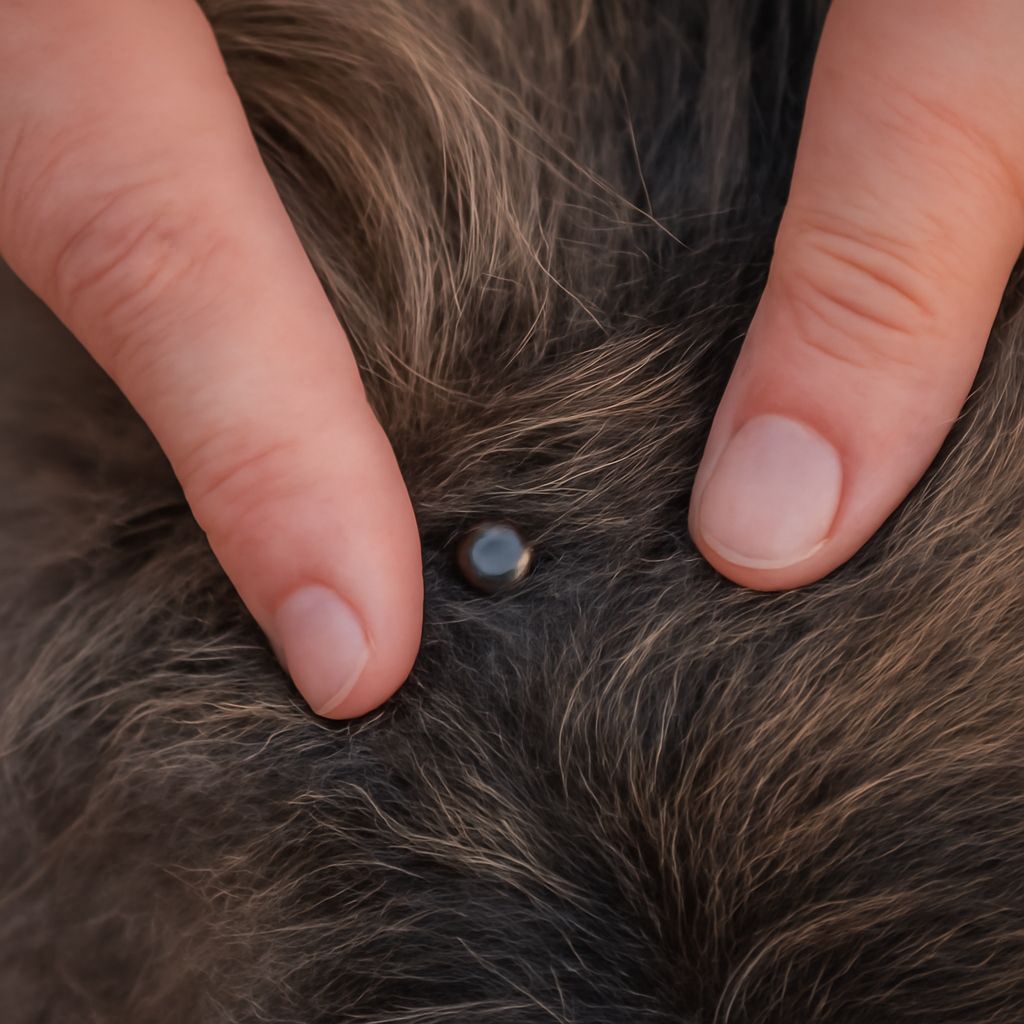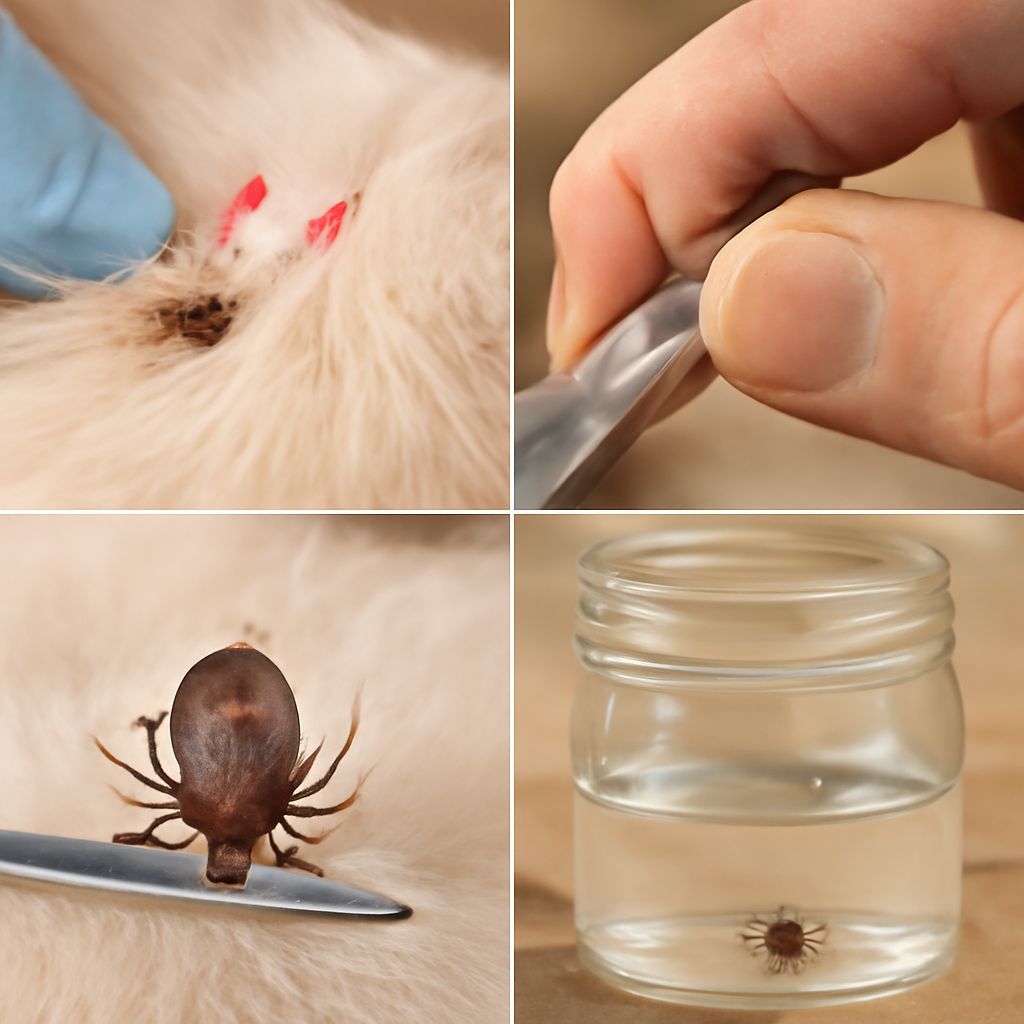
Your dog scratching a lot might make you think fleas are the culprit, but what if there are no fleas in sight? This confusion is common among pet owners, leading to frustration and concern. Many find themselves constantly trying to figure out why their dogs are scratching but no fleas are involved. It’s time to look beyond the usual suspects and explore other potential causes for your dog’s incessant itching.
The truth is, if your dog is scratching but no fleas are present, the reason might lie elsewhere. From allergies to skin infections, numerous factors could be at play. Understanding these aspects is crucial not only for your dog’s comfort but also for their overall health. Let’s delve into the various reasons behind this behavior and how you can alleviate your pet’s discomfort.
Why is My Dog Scratching But No Fleas?
When a dog is scratching a lot, it’s natural to first suspect fleas. However, if your dog is scratching but no fleas are found, it’s important to consider other causes. Allergies are a frequent culprit. Dogs can be allergic to a variety of substances, including pollen, dust mites, or even certain foods. Skin allergies often manifest as intense itching, leading to a dog scratching with no sign of fleas.
Another possibility is environmental factors. Dry air or harsh shampoos can irritate a dog’s sensitive skin, causing it to itch. Additionally, anxiety or stress might also lead to excessive scratching, as dogs sometimes use this behavior as a way to cope with emotional discomfort.
Common Causes When a Dog is Scratching a Lot
Aside from allergies, several other conditions might cause a dog to scratch frequently. Skin infections, whether bacterial or fungal, can lead to significant discomfort. These infections often require specific treatments to resolve, making it crucial to seek veterinary advice if your dog is scratching persistently.
Parasites other than fleas, like mites, could also be responsible. Mange, for example, is caused by mites burrowing into the skin, leading to extreme itching. This condition needs professional diagnosis and treatment.
In some cases, underlying medical issues such as hormonal imbalances may also be responsible for your dog’s itchy skin. Conditions like hypothyroidism or Cushing’s disease can lead to skin changes that cause your dog to scratch incessantly.
Solutions for a Dog Scratching Belly But No Fleas
Addressing a dog scratching belly but no fleas involves identifying the root cause of the itchiness. For allergies, a vet might recommend antihistamines or prescribe a special diet to reduce reactions. Keeping your dog’s living environment clean and free from potential allergens can also help alleviate symptoms.
For skin infections, veterinary treatment is essential. Antibiotics or antifungal medications may be necessary depending on the type of infection. Regular grooming with appropriate products can help keep your dog’s skin healthy, reducing the chance of future infections.
If stress or anxiety is contributing to your dog’s scratching, behavioral therapies or modifications in their routine might be beneficial. Providing plenty of exercise and mental stimulation can also help relieve anxiety-related behaviors.
Ultimately, if your dog continues to scratch despite your efforts, consulting your veterinarian is imperative. They can perform tests to diagnose any hidden conditions and recommend the best course of treatment.
Bottom line: If your dog is constantly scratching but not because of fleas, there are several potential causes to consider. From allergies to skin infections, understanding the underlying issue is key to providing relief. Always seek veterinary advice for persistent problems to ensure your dog’s health and well-being.