Many believe that owning dogs is out of the question for allergy sufferers, but this notion doesn’t hold up against modern understanding. The truth is, while no dog breed is completely hypoallergenic, certain breeds produce fewer allergens than others, making them suitable companions for those sensitive to pet dander. Interestingly, opting for a dog with human hair rather than fur can also be a viable solution. Let’s delve into some common myths and facts about hypoallergenic dogs and explore small dog breeds that don’t shed and stay small.
It’s often thought that all dogs shed and cause allergies, but there are breeds specifically known for their low-shedding nature. Additionally, some people mistakenly believe that bomb sniffing dog breeds cannot be hypoallergenic. However, certain working breeds can indeed be allergy-friendly, proving that the right breed choice can make a world of difference for potential pet owners.
What Are Hypoallergenic Dog Breeds?
Hypoallergenic dog breeds are those that tend to produce fewer allergens compared to other breeds. These dogs have hair that is more like human hair, which minimizes shedding and the spread of dander. Popular hypoallergenic breeds include the Poodle, Bichon Frise, and Maltese. These breeds are often recommended for allergy sufferers due to their unique hair structure.
It’s important to note that while these breeds may be less likely to trigger allergic reactions, they are not entirely free from allergens. Regular grooming and cleaning of your pet’s environment can also significantly reduce allergen levels. For those with severe allergies, consulting with a healthcare provider before adopting is advisable to ensure compatibility.
Why Choose a Dog with Human Hair?
A dog with human-like hair offers several benefits. This type of hair grows continuously and sheds minimally, much like human hair, which dramatically reduces the spread of allergens around the home. Breeds such as the Yorkshire Terrier and Shih Tzu exemplify this characteristic.
Beyond allergy considerations, dogs with human hair often require regular grooming to maintain their coat’s health and appearance. Regular visits to a professional groomer are recommended to avoid matting and ensure your pet’s comfort and hygiene. For complex issues, such as color correction or severe coat damage, a licensed stylist can provide the necessary expertise.
Are There Small Dog Breeds That Don’t Shed and Stay Small?
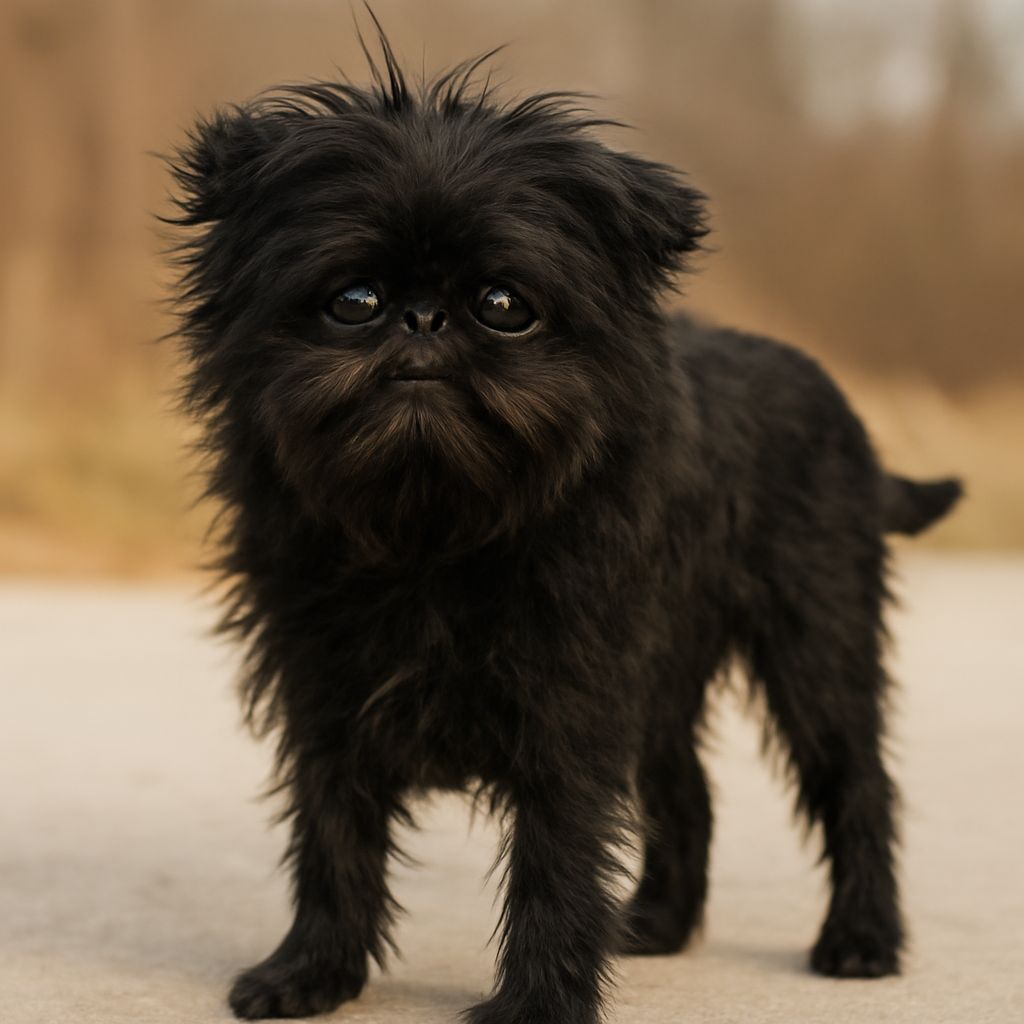
For those seeking small dog breeds that don’t shed and stay small, several options exist. The Affenpinscher, Brussels Griffon, and Italian Greyhound are known for their low-shedding coats and petite stature. These breeds make excellent companions for those living in apartments or smaller homes.
Despite their size, these small dogs often possess big personalities and require regular exercise and mental stimulation. It’s essential to research each breed’s specific needs and ensure they align with your lifestyle. Regular grooming and vet check-ups are key to maintaining their health and happiness.
Can Bomb Sniffing Dog Breeds Be Hypoallergenic?
While bomb sniffing dog breeds are not typically associated with being hypoallergenic, some can indeed be less likely to cause allergies. Breeds like the Labrador Retriever and German Shepherd are commonly used in detection work, but their hypoallergenic status can vary based on individual dogs.
Selecting a hypoallergenic service dog requires careful consideration and possibly consultation with a breeder or trainer who understands the needs of allergy sufferers. It’s possible to find a dog that is both efficient in sensitive tasks and manageable for those with allergies.
Key takeaways: Choosing the right hypoallergenic dog breed can significantly reduce allergy symptoms for sensitive individuals. Breeds with human-like hair, minimal shedding, and small stature are excellent options. It’s crucial to maintain regular grooming and consult with professionals when necessary to ensure a healthy, happy pet.