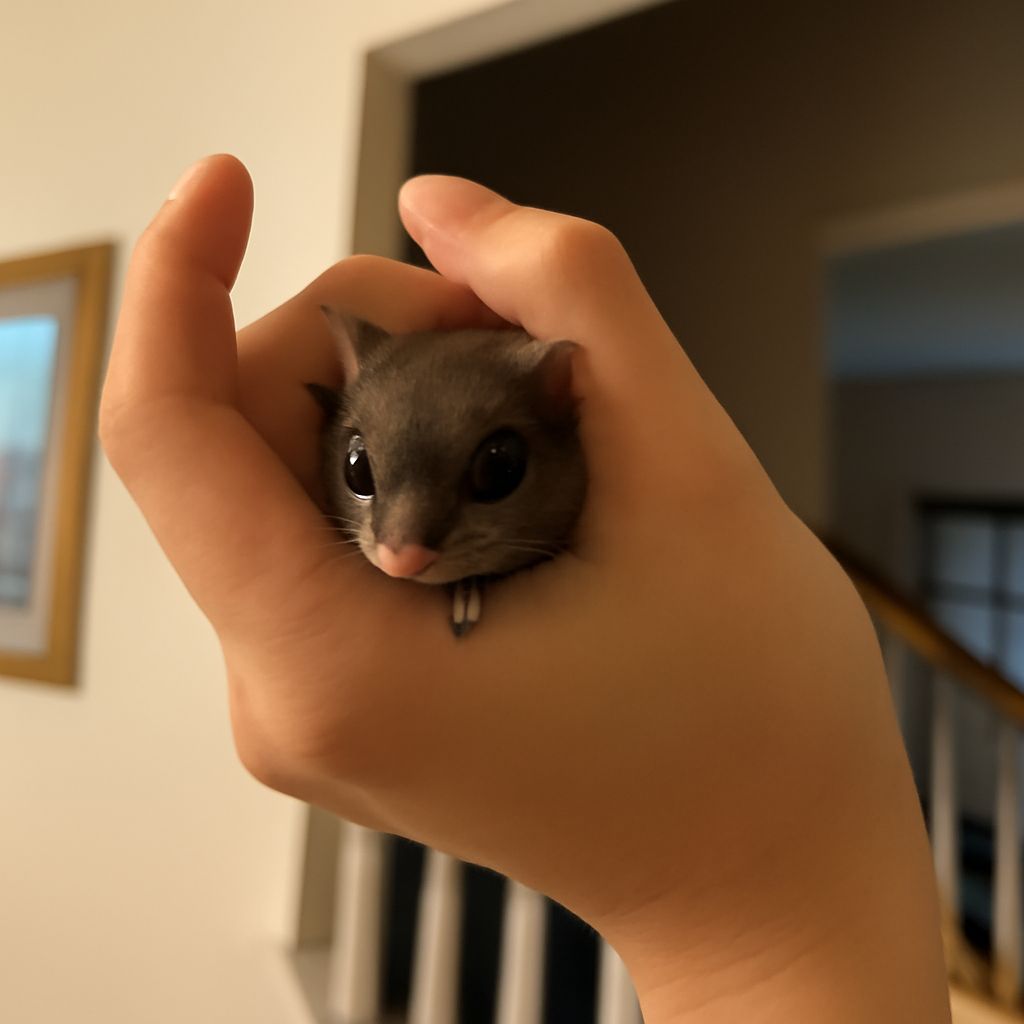
Flying squirrels might seem like an unusual choice for a pet, but their unique qualities often make them beloved companions. Some might think of them as just novelty animals; however, pet flying squirrels require specialized care and can be surprisingly affectionate. From their ability to glide through the air to their playful nature, flying squirrels as pets offer experiences unlike any other. Before diving into the world of flying squirrel ownership, it’s essential to understand the nuances of their care and the responsibilities involved.
Among the different species, the southern flying squirrel pet stands out due to its docile temperament and adaptability to captivity. Despite their small size, these creatures need a well-structured environment and a balanced diet to thrive. The allure of owning such an extraordinary pet comes with the necessity for informed care and a commitment to meeting their unique needs.
What Makes a Flying Squirrel Pet So Special?
The charm of a flying squirrel lies in its ability to glide gracefully from tree to tree. This gliding ability is facilitated by a membrane that stretches from wrist to ankle, allowing them to soar through the air. As pets, they bring a touch of the wild into the home, often forming strong bonds with their caregivers.
Furthermore, these nocturnal creatures are incredibly social and intelligent. Their playful antics and curious nature make them entertaining companions. Due to their small size, they are also adaptable to various living environments, provided they have space to exercise and explore. Their inquisitive behavior and unique locomotion can captivate any animal lover.
How to Care for Your Pet Flying Squirrel
Caring for a pet flying squirrel involves creating a habitat that mimics their natural environment. A tall cage with plenty of vertical space is essential to accommodate their need to climb and glide. Inside the enclosure, include branches, ropes, and nesting boxes to encourage exploration and nesting behaviors.
The diet of a flying squirrel should be carefully balanced. These nocturnal mammals require a mix of nuts, seeds, fruits, and vegetables, along with a calcium supplement to maintain bone health. Occasional insects or commercial flying squirrel food can also provide necessary nutrients. Regular interaction and handling are vital to prevent loneliness and ensure they remain tame and friendly.
Is a Southern Flying Squirrel Pet Right for You?
Deciding if a southern flying squirrel is the right pet for you depends on your lifestyle and commitment to care. These creatures are most active during the night, aligning better with night owls or those willing to adjust their schedule for playtime. With proper care, they can live for over a decade, making them a long-term commitment.
The southern flying squirrel is one of the more docile species, often showing affection towards their human companions. However, they may not be the best choice for households with very young children due to their delicate nature and specific handling needs. Having a southern flying squirrel pet requires patience, understanding, and a willingness to meet their nocturnal tendencies.
Understanding the Challenges of Having a Flying Squirrel as Pet
Owning a flying squirrel as a pet presents unique challenges. Their nocturnal activity means they might be noisy or active during the night. Additionally, they have specific dietary and environmental needs that require attention to detail and dedication to maintain.
Moreover, if they do not receive enough mental stimulation or interaction, they can become depressed or develop behavioral issues. It’s imperative to invest time in socialization and provide enrichment activities. For complex care issues, such as severe dietary imbalances or habitat customization, consulting a licensed veterinarian or specialist is advisable.
While flying squirrels can offer a captivating pet experience, potential owners must be prepared to handle their special requirements and ensure a healthy, happy life for these extraordinary animals.