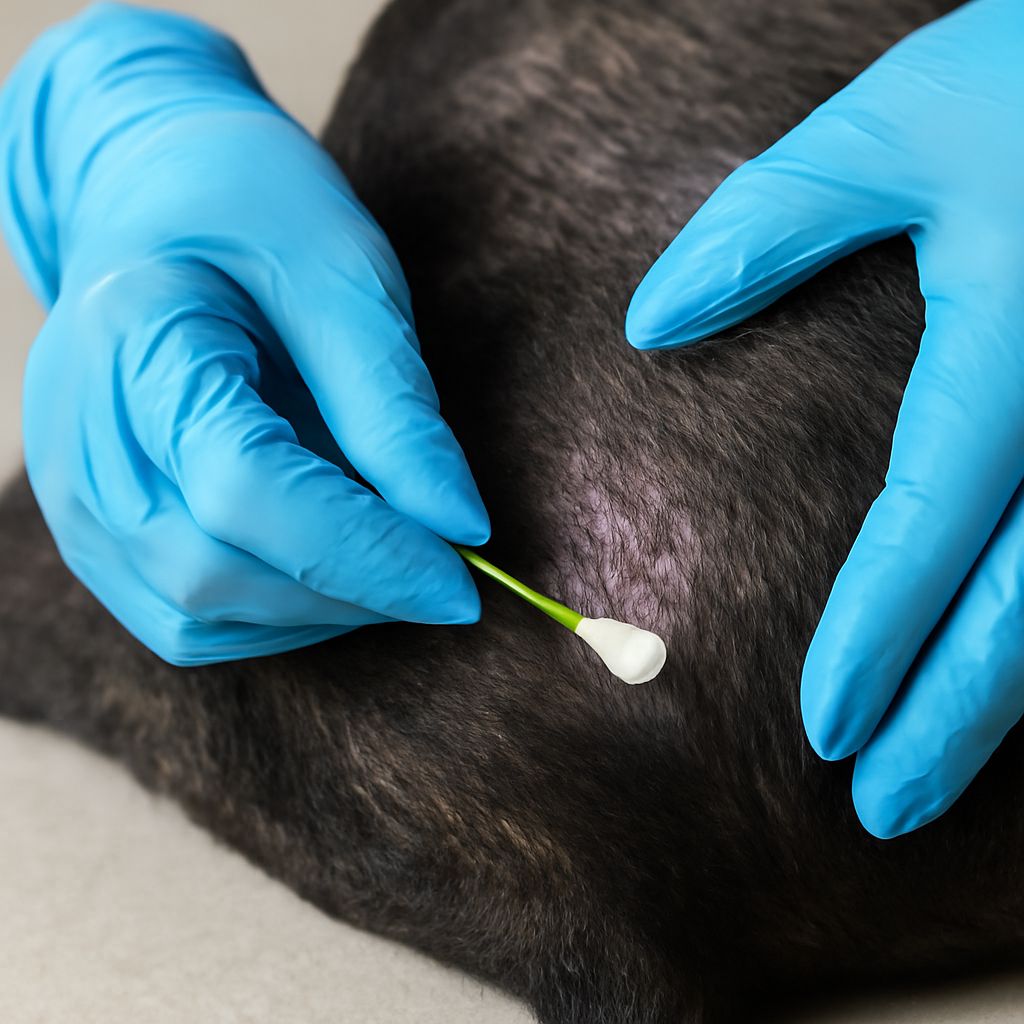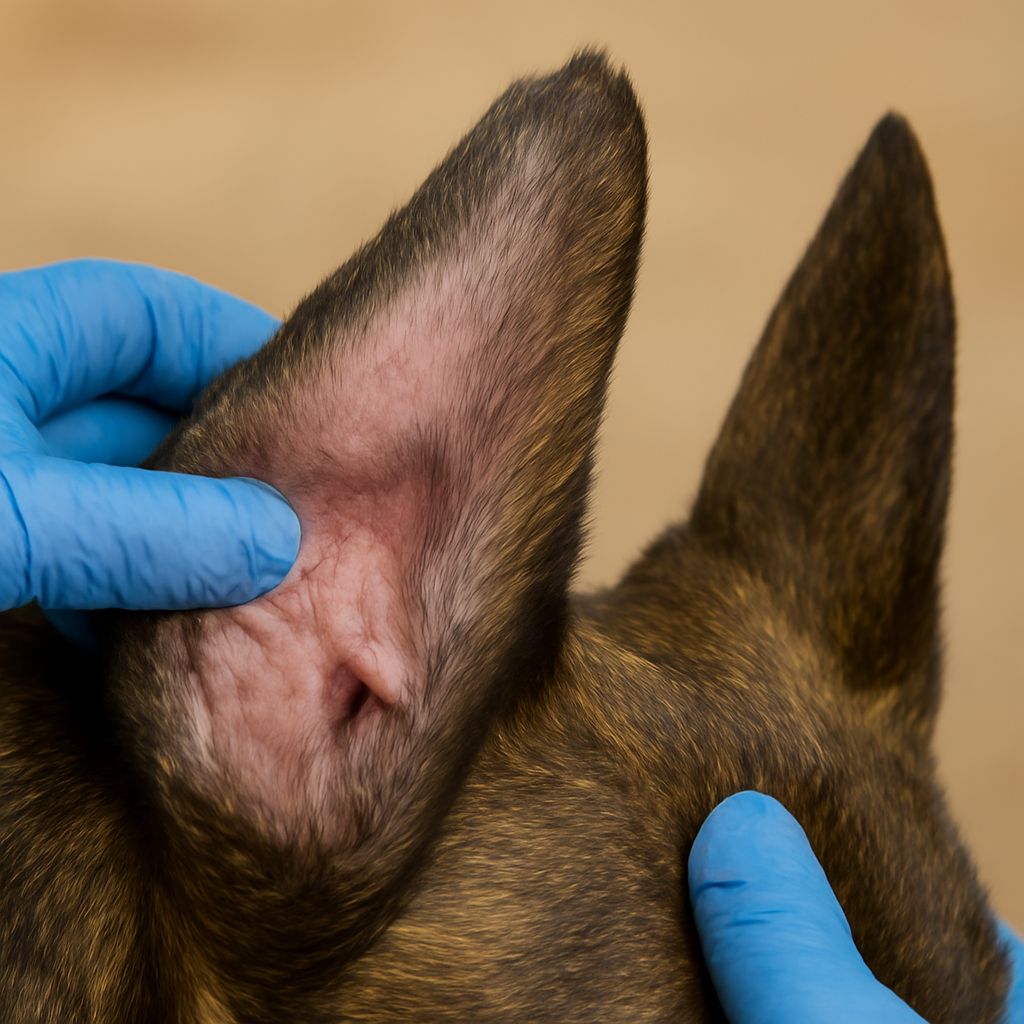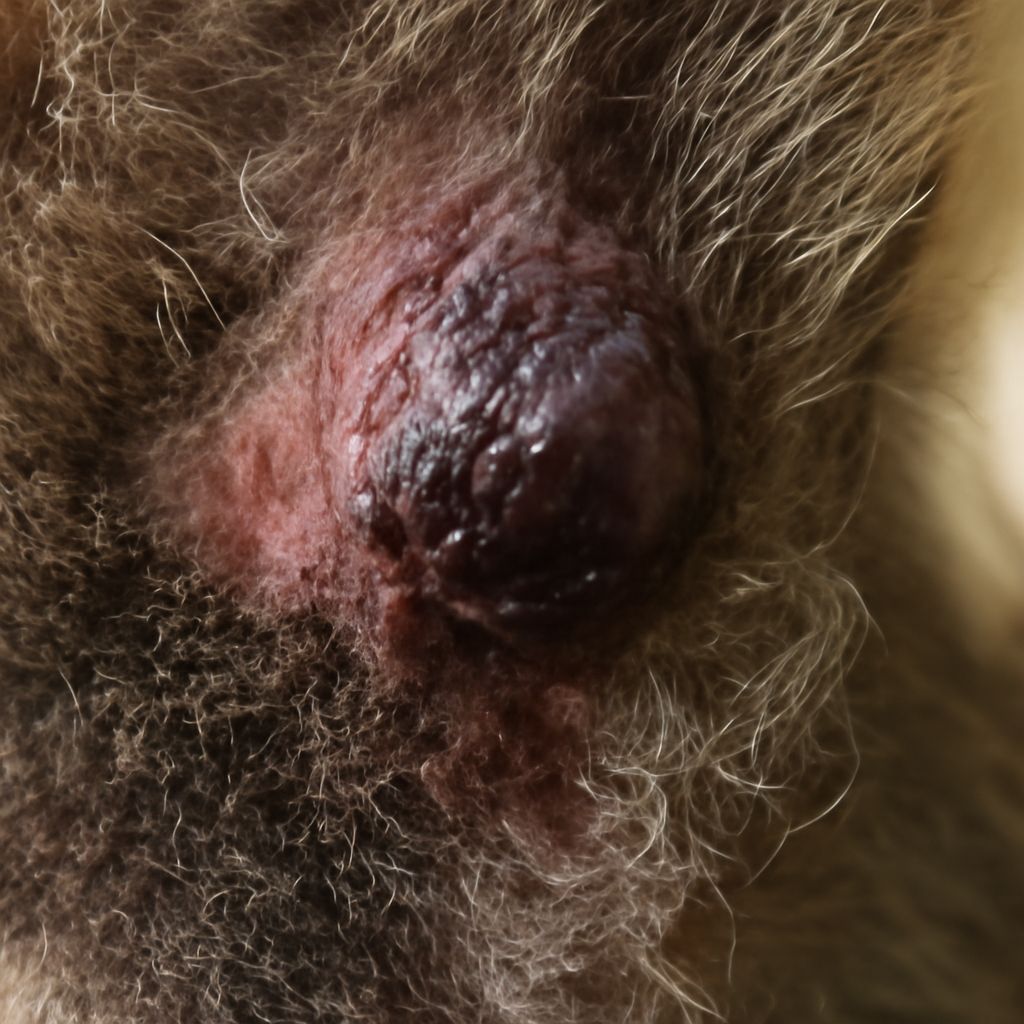
When you spot a mole on your dog, or notice a black growth on its skin, it can cause immediate concern. However, not every bump or skin tumor on a dog is a reason for panic. Understanding what these growths are and when they become problematic is essential for every dog owner. This article aims to dispel common myths and provide factual insights into dog skin health.
Many dog owners immediately associate any black bump on their dog’s skin with serious health issues. Yet, the truth is that most dog skin tumors are benign and manageable. By learning to identify these growths accurately and knowing when to seek veterinary advice, you can keep your pet healthier and more comfortable.
What Causes a Mole on a Dog?
Moles on dogs, much like humans, are generally caused by clusters of pigmented skin cells. These growths may appear as small, raised areas and can be due to a variety of factors including genetics, age, and environmental exposure. Dogs with lighter skin or less fur may be more susceptible to developing such moles.
Factors like sun exposure can potentially lead to the appearance of moles. Just as the sun affects human skin, it can also influence the skin of dogs, especially those with thin coats. Additionally, hormonal changes or underlying health conditions might contribute to their development.
How to Identify Black Growth on Dog’s Skin?
Identifying a black growth on a dog’s skin requires close observation. These growths can vary greatly in appearance, sometimes looking like benign moles or more suspicious lesions. A key characteristic to look for is symmetry; benign growths tend to be symmetrical while malignant ones may have uneven borders.
Texture is another important factor. Benign moles are often smooth to the touch, whereas more concerning growths might feel rough or change in texture over time. Regularly checking your dog’s skin during grooming can help you notice any new or changing moles or bumps.
When to Worry About Skin Tumors on Dogs
While many skin tumors on dogs are harmless, certain signs suggest a need for veterinary evaluation. If a growth changes in size, shape, or color, it could indicate a problem. Similarly, if a mole becomes ulcerated or starts bleeding, this warrants professional attention.
Other indicators of concern include rapid growth or the presence of multiple new growths appearing in a short time frame. In these cases, consulting a veterinarian promptly is crucial to determine if further action or testing is necessary.
Treatment Options for Dog Skin Tumors
The treatment for dog skin tumors depends largely on the nature of the growth. Benign moles may simply require monitoring, while malignant tumors might necessitate surgical removal or other medical interventions. A veterinarian can provide a definitive diagnosis and recommend the best course of action.
For tumors that are cancerous, treatment options may include surgery, chemotherapy, or radiation therapy. It’s important to follow the advice of a veterinary professional to ensure appropriate care and management of your dog’s condition, including any necessary follow-ups or lifestyle adjustments.
Regular check-ups and early detection are key in managing your dog’s skin health effectively. By being proactive and informed, you can help ensure that your pet remains happy and healthy for years to come.