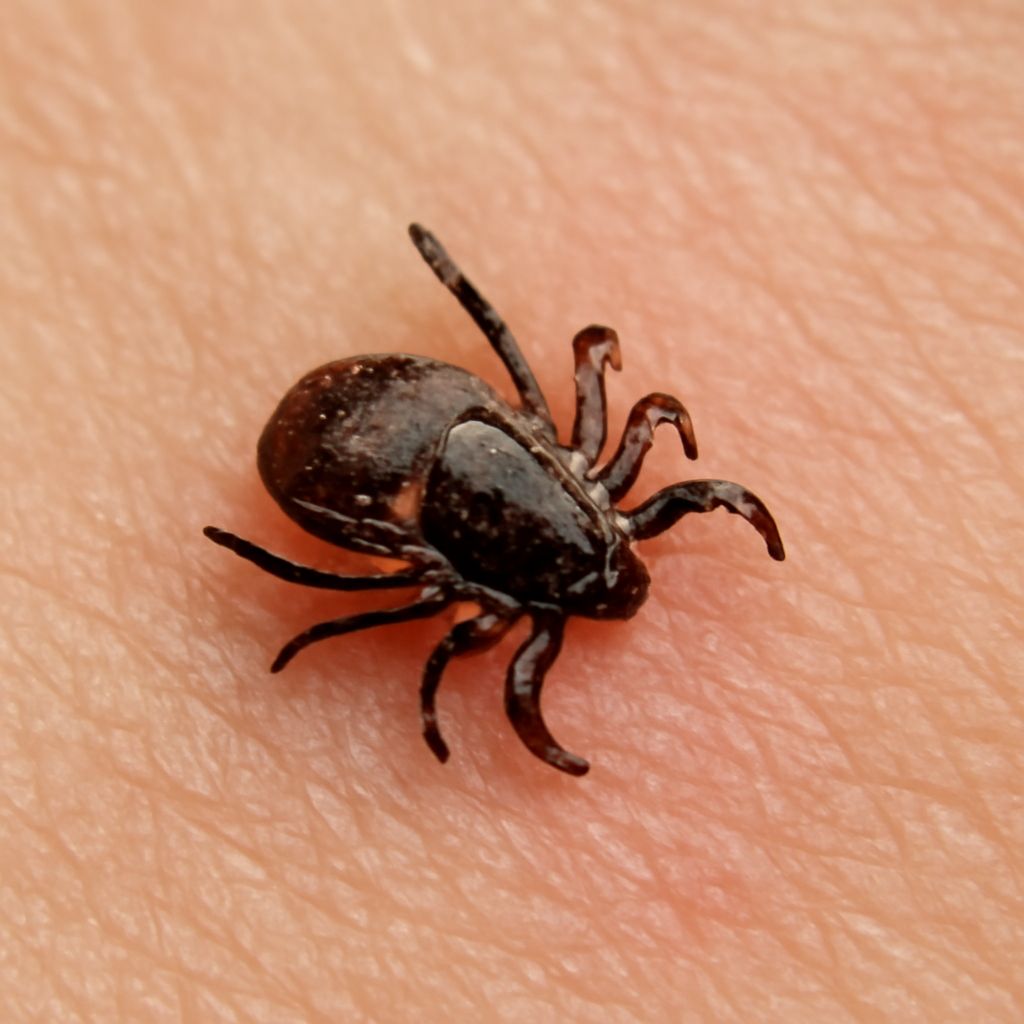
Many believe that ticks are just a nuisance, but the dangers they pose to your dog’s health are significant. While some suggest that these parasites are easy to manage, knowing how to get rid of ticks on a dog effectively and safely is crucial. Misconceptions abound about the best techniques for how to get rid of a tick on a dog quickly. Through understanding and proactive care, you can protect your furry friend from these harmful pests.
For pet owners, learning how to get ticks off a dog is more than just a chore—it’s a responsibility. False impressions about the ease of removing ticks often lead to improper care, which can endanger your dog. In this guide, we will explore comprehensive strategies that inform how to get rid of dog ticks fast, ensuring your pet stays healthy and tick-free.
Understanding the Risks of Ticks on Dogs
Ticks are more than just bloodsuckers; they are carriers of severe diseases such as Lyme disease, ehrlichiosis, and anaplasmosis. These conditions can lead to serious health issues for your pet, including lameness, fever, and even kidney problems. It’s imperative to understand how to get rid of a tick on a dog before these parasites cause significant harm.
Aside from the illnesses they transmit, ticks can cause skin irritations and infections at the site of attachment. Ensuring you know how to get ticks off a dog safely reduces the chance of complications. Regular tick checks are essential in the early detection and removal of these pests.
Effective Methods on How to Get Rid of Ticks on a Dog
Knowing how to get rid of ticks on a dog involves more than purchasing over-the-counter treatments. Start by conducting thorough inspections of your dog’s coat, especially after outdoor activities. Utilizing a fine-toothed comb can help in identifying and removing ticks.
Topical treatments and oral medications are effective solutions for managing tick infestations. These products contain active ingredients that kill ticks on contact or disrupt their life cycle. However, consulting with a veterinarian is advisable to choose the most suitable option for your pet’s needs.
Natural remedies, such as essential oils, may offer additional protection. Though not universally effective, they can be a complementary approach alongside other treatments. Always perform a patch test first to ensure your dog does not have an adverse reaction.
How to Get Ticks Off a Dog Safely
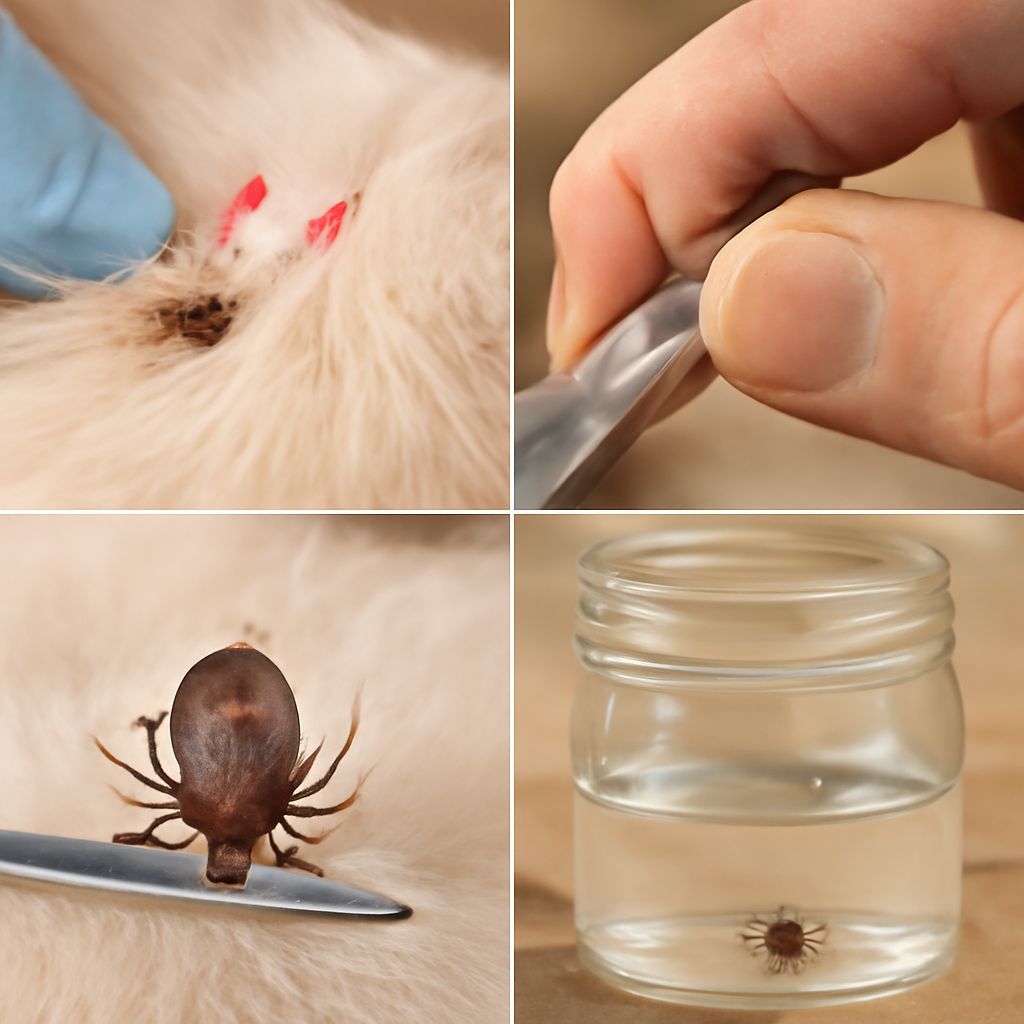
To safely remove a tick, use fine-tipped tweezers to grasp the tick as close to the skin as possible. Pull upward with steady, even pressure to avoid leaving the tick’s mouthparts embedded in the skin. How to get ticks off a dog requires precision and patience.
After removal, clean the bite area with antiseptic and dispose of the tick by submerging it in alcohol or flushing it down the toilet. Avoid damaging the tick during removal, as this can increase the risk of disease transmission.
If you’re unsure or uncomfortable removing ticks yourself, seek professional assistance from a veterinarian. They can offer guidance on how to get rid of dog ticks fast and effectively without causing harm.
Preventing Future Tick Infestations
Prevention is the key to keeping your dog tick-free. Regularly apply preventive products, such as tick collars or spot-on treatments, as recommended by your veterinarian. These products are an integral part of a comprehensive pest control strategy.
Maintaining a tick-free yard is another crucial step. Keep grass and shrubs trimmed to reduce tick habitats. Additionally, discourage wildlife from entering your yard, as they can carry ticks onto your property.
Regular grooming and inspections are vital in early detection and prevention. By being proactive, you can reduce the likelihood of ticks latching onto your pet and causing harm.
Key takeaways: Ticks pose significant health risks to dogs, necessitating effective removal and prevention strategies. Utilize veterinary-recommended treatments and regular inspections to manage tick infestations. Proactive prevention ensures your dog’s long-term health and well-being.