The dog salon is often viewed as an indulgence for pampered pets, but professional grooming is a health service, not just an aesthetic one. A skilled salon dog groomer assesses coat condition, skin health, ear cleanliness, and nail length during every appointment. These observations sometimes identify issues that owners miss between visits, including early skin infections, lumps, or ear mites. Grooming is part of preventive care when done properly.
A pet grooming studio that runs well differs from a mediocre one in ways that are visible before the appointment even starts. The environment is clean, calm, and organized. Staff handle dogs with quiet confidence. A pet spaw, for those who use the term, implies elevated service standards: lower-stress handling, smaller batches of dogs at one time, and individualized attention. All breed pet grooming facilities handle dogs of every coat type and temperament, from a smooth-coated Labrador to a double-coated Alaskan Malamute. The range of skills required to do that well is substantial.
What Happens at a Dog Grooming Appointment
The Initial Assessment
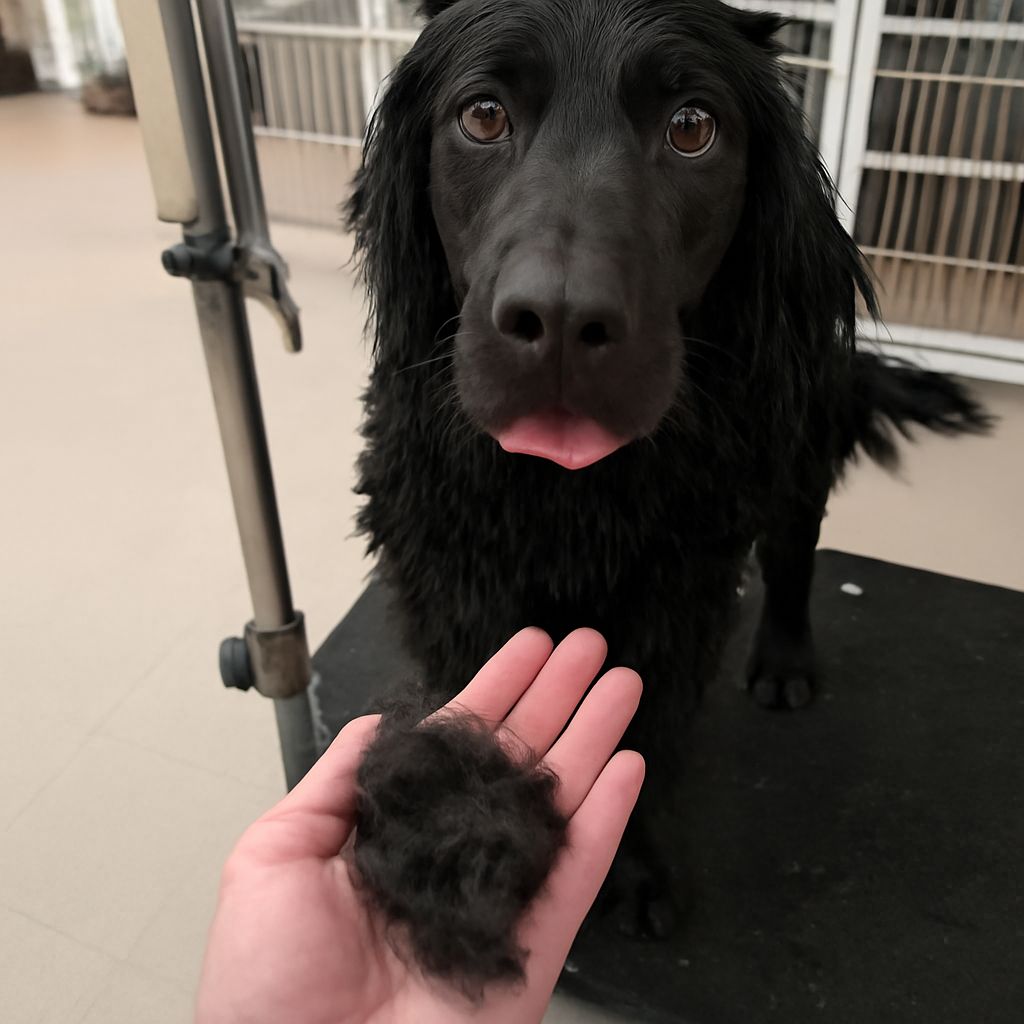
A thorough groomer assesses the dog before touching shears or clippers. They check for matting, skin irritation, nail overgrowth, and ear condition. This assessment shapes the plan for the session and determines how much time is needed. Heavily matted coats require dematting or shaving before any styling, and owners should be informed of that upfront rather than surprised at pickup.
Bathing and Drying
Professional bathing uses dog-specific shampoo selected for coat type: deshedding formulas for heavy shedders, moisturizing shampoos for dry or sensitive skin, and medicated options for dogs with skin conditions. Rinse time is as important as shampoo selection; residue left on the coat causes irritation. High-velocity drying removes loose undercoat and shortens drying time compared to cage drying, which is the less preferable option for dog welfare.
Clipping, Trimming, and Finishing
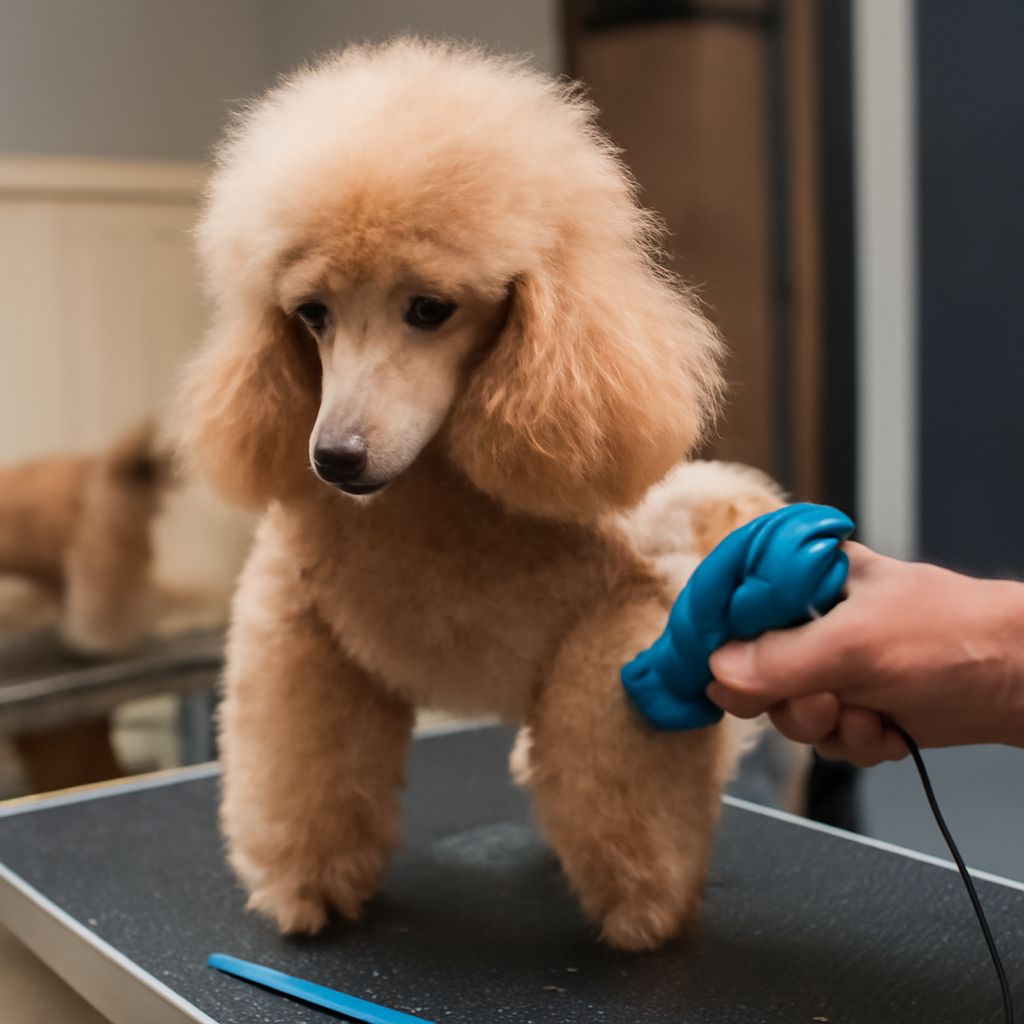
Breed-standard cuts require training and experience that varies considerably among groomers. If you need a specific breed trim, ask directly about the groomer’s experience with that breed. A groomer unfamiliar with the Poodle Continental clip or a Schnauzer’s traditional banding should say so honestly rather than improvise. For mixed breeds or non-standard cuts, clear communication about length and style preferences avoids mismatches.
Choosing the Right Grooming Studio
Reviews and referrals from other dog owners are the most reliable guide. Visit the facility before booking. A salon dog appointment at a quality studio includes a walk-through if you ask for one. Look for individual kennels or resting areas, separation between wet and dry dogs, and evidence of calm handling from the staff you observe during your visit.
Ask about handling methods for nervous or reactive dogs. Fear-free grooming practices reduce stress by using low-pressure restraint, frequent breaks, and positive reinforcement. These approaches take more time but produce better outcomes for anxious dogs over multiple sessions. If a facility cannot describe their approach for handling fearful dogs, that is worth noting before you book.
Key Takeaways
A good pet grooming studio is more than a haircut destination; it is a partner in your dog’s ongoing health. All breed pet grooming done well requires the groomer to adapt techniques for each coat type and temperament, and that adaptability is the skill to look for. Book consistent appointments rather than waiting until coat problems develop; prevention is faster and less stressful for the dog than reactive correction.