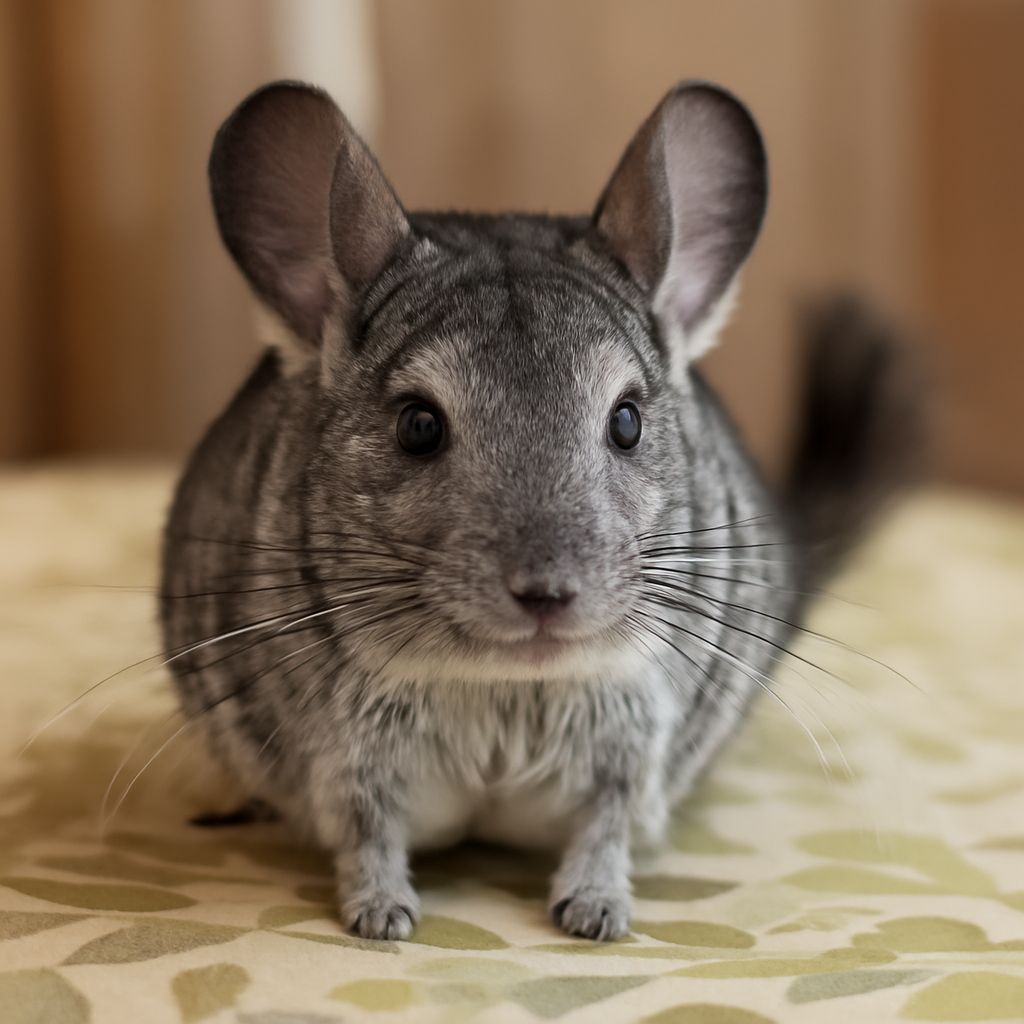
Most lists of easiest pets to take care of recommend fish first, almost reflexively. The assumption is that a fish in a bowl needs no effort. That is often wrong. Fish require water chemistry management, tank cycling, and regular maintenance. The easiest pet to take care of depends entirely on your living situation, schedule, and what you consider low-effort.
The question of what is the easiest pet to take care of has no single answer. It depends on whether you want an animal you can interact with or simply observe, how much space you have, and your tolerance for mess or noise. Easiest pet to care for means something different to a college student in a studio apartment than to a family with a yard. Easy pets to own share a few traits: they eat predictably, stay contained, and need minimal grooming or medical care.
Best Low-Maintenance Pets by Lifestyle
For Small Spaces: Guinea Pigs and Rats Guinea pigs are social, hardy, and forgiving of beginner mistakes. They eat hay, fresh vegetables, and pelleted food. Their enclosures need weekly cleaning. They rarely bite and are active during the day, which makes them easier to bond with than nocturnal animals. Pet rats are equally manageable and considerably more interactive. They learn their names, can be trained to do simple tasks, and enjoy handling. Both species need companions of the same species to stay mentally healthy, so plan on keeping at least two.
For Hands-Off Owners: Betta Fish
A single betta in a filtered, heated 5-gallon tank is genuinely low-effort compared to most other fish. Weekly partial water changes, daily feeding, and occasional filter maintenance cover the basics. Unlike goldfish, bettas are tropical and need stable warm water, but they are more tolerant of minor fluctuations than many species. They do not need companions, which simplifies things further.
For Interaction Without Commitment: Leopard Geckos
Leopard geckos eat live insects, need a heated enclosure, and live 15 to 20 years with basic care. They are docile, do not require large spaces, and are crepuscular, meaning they are most active around dawn and dusk. Handling a leopard gecko takes a few minutes per day and they tolerate it well once accustomed. They are among the more manageable reptile options for a first-time owner.
What to Consider Before Choosing
Time and Social Needs
Even the simplest pets have daily requirements. Skipping feeding or tank maintenance for a few days creates problems that take longer to fix than the original task. Match the pet’s social needs to your availability. A hamster can tolerate being alone most of the day. A parrot cannot.
Upfront Costs vs. Ongoing Costs
A “cheap” pet is rarely cheap once you add housing, food, bedding, and veterinary care. Budget realistically before committing. Small mammals and reptiles have predictable costs, though emergency vet visits for exotic species can be expensive because fewer vets specialize in them.
Bottom line: The easiest pet for you is the one whose routine fits naturally into your life. Match the animal’s needs to your actual schedule, not the one you wish you had. Research specific care requirements before purchasing, and account for both time and money over the animal’s full lifespan.