Many pet owners may panic at the sight of a sebaceous cyst on their dog, mistaking it for something more sinister like a tumor. However, a sebaceous cyst dog is a common occurrence and is often benign. Understanding the nature and treatment of these cysts is crucial for maintaining your pet’s health and peace of mind.
It is important to note that while a sebaceous cyst might cause concern, not all lumps on dogs are life-threatening. By learning about the symptoms and available treatments for a sebaceous cyst dog, you can take informed steps toward addressing the issue effectively.
What is a Sebaceous Cyst on a Dog?
A sebaceous cyst on a dog is a closed sac under the skin filled with a cheese-like material. It develops from the sebaceous glands, which are responsible for producing sebum, a substance that lubricates the skin and hair. These cysts are generally harmless and may vary in size, appearing most commonly on the head, neck, and torso of dogs.
How Do Sebaceous Cysts Develop in Dogs?
Sebaceous cysts develop when a sebaceous gland becomes blocked due to an accumulation of sebum. This blockage may occur due to skin trauma, infection, or genetic factors. Breeds such as Cocker Spaniels, Schnauzers, and Basset Hounds may be more prone to developing these cysts due to their genetic predisposition.
What are the Symptoms of Sebaceous Cysts in Dogs?
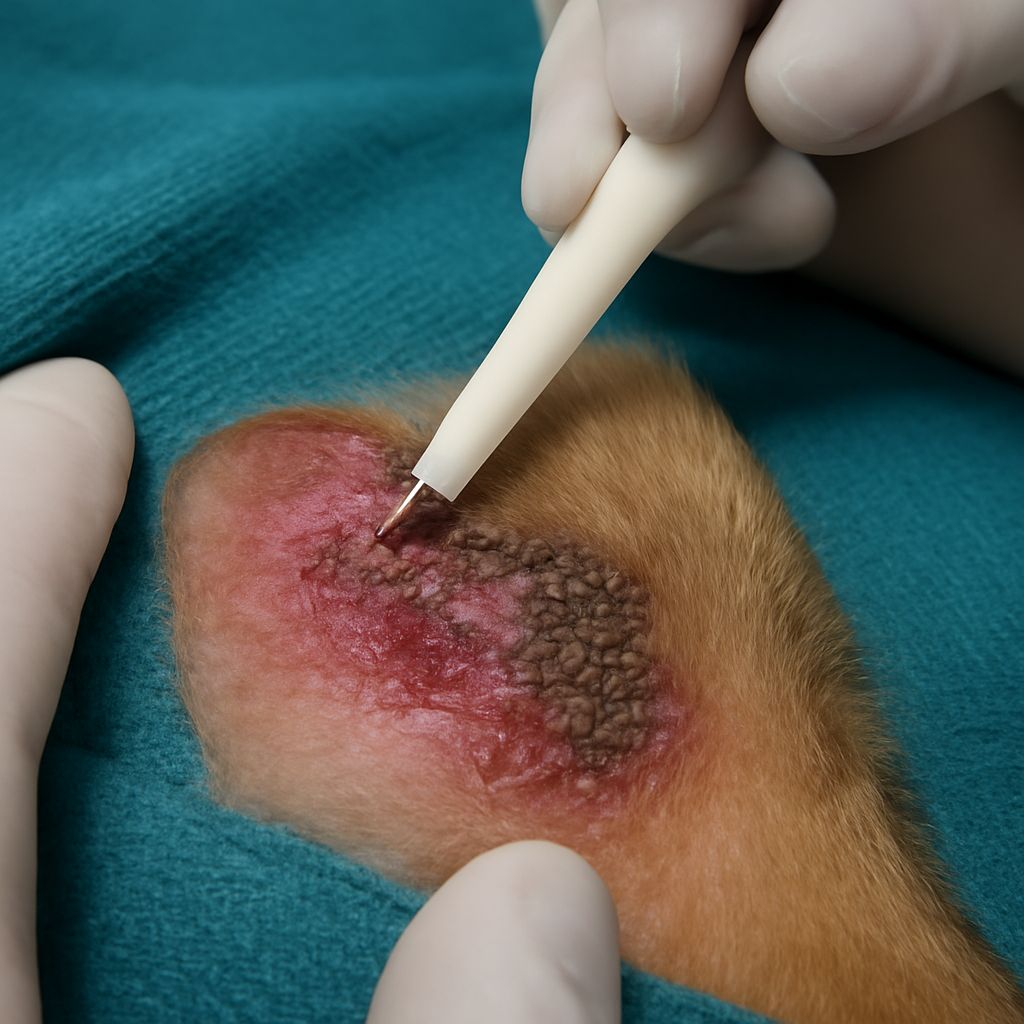
Symptoms of sebaceous cysts in dogs include noticeable bumps on the skin that may be round and firm. These cysts often do not cause pain unless they become infected. While the cysts themselves are not harmful, they can sometimes rupture, leading to bleeding or secondary infection. Observing changes in the size, color, or texture of the cyst is crucial for ensuring your dog’s health.
How to Treat a Sebaceous Cyst on a Dog
Treatment for a sebaceous cyst on a dog generally involves monitoring the cyst for changes. In many cases, no immediate treatment is necessary. If the cyst becomes infected or causes discomfort, a veterinarian may recommend medication or surgical removal. Keeping the cyst clean and monitoring for signs of infection is key to managing the condition effectively.
When to Consult a Veterinarian for a Sebaceous Cyst
Consult a veterinarian if you notice any signs of infection, such as redness, swelling, or discharge from the cyst. Also, seek veterinary advice if the cyst grows rapidly or changes in appearance. A licensed veterinarian can provide a proper diagnosis and recommend the best course of action for your pet’s specific needs.
What to Do if a Sebaceous Cyst on a Dog is Bleeding
If a sebaceous cyst on your dog is bleeding, clean the area gently with mild antiseptic. Apply a clean bandage to protect against further irritation and prevent infection. Prompt attention and care are essential. Always consult a vet if bleeding persists or the cyst shows signs of infection.
How to Identify a Sebaceous Cyst Dog Picture
Identifying a sebaceous cyst in a dog picture involves looking for small, round lumps under the skin. These lumps may appear white, blue, or flesh-colored and can vary in size. A clear image showing the cyst’s location and appearance can help veterinarians provide a more accurate assessment of the condition.
Bottom line: Sebaceous cysts in dogs, while common, require attention to ensure they do not lead to complications. Monitoring the cysts and consulting with a veterinarian when necessary will help maintain your dog’s health and well-being.