The question of how much melatonin can i give my dog comes up often among owners dealing with anxious or restless dogs, but most people don’t realize that dosing dogs with this supplement requires more caution than dosing humans. Melatonin products designed for people often contain xylitol, an artificial sweetener that is toxic to dogs. Separately, knowing how to introduce a puppy to a dominant dog is one of the most common multi-dog household challenges. How much melatonin to give a dog depends on body weight, the reason for use, and the product formulation. Knowing how to travel long distance with a dog without pharmaceutical support is also worth exploring before reaching for supplements. And while questions like how to make a stuffed animal dog might seem unrelated, comfort items can meaningfully reduce a dog’s travel or separation anxiety without any medication at all.
This article covers melatonin dosing for dogs, travel preparation, and puppy introductions in multi-dog homes.
Melatonin for Dogs: Dosing and Safety
Melatonin is a hormone that regulates sleep cycles. Veterinarians sometimes recommend it for dogs experiencing anxiety related to noise phobias, separation, or travel. The typical canine melatonin dose is 1 mg for dogs under 10 pounds, 1.5 mg for dogs 10 to 25 pounds, and 3 mg for dogs 26 to 100 pounds. Dogs over 100 pounds may receive up to 6 mg. These are general guidelines. Confirm the appropriate melatonin amount with your veterinarian before giving your dog any supplement.
The biggest hazard with over-the-counter melatonin products is xylitol. Many gummy and chewable formulations contain it. Always read the ingredient list. Choose a plain melatonin tablet or liquid without added sweeteners, flavorings, or herb blends. Some products marketed for sleep contain valerian or magnesium that may not be appropriate for dogs.
When Melatonin May Help Dogs
- Noise phobias such as fireworks or thunderstorms
- Mild separation anxiety
- Pre-travel anxiety for car or air trips
- Sleep disruptions in older dogs with cognitive changes
When to Consult Your Vet First
- Dogs on other medications
- Dogs with diabetes, liver disease, or hormonal conditions
- Puppies under six months old
- Pregnant or nursing dogs
Traveling Long Distance with a Dog
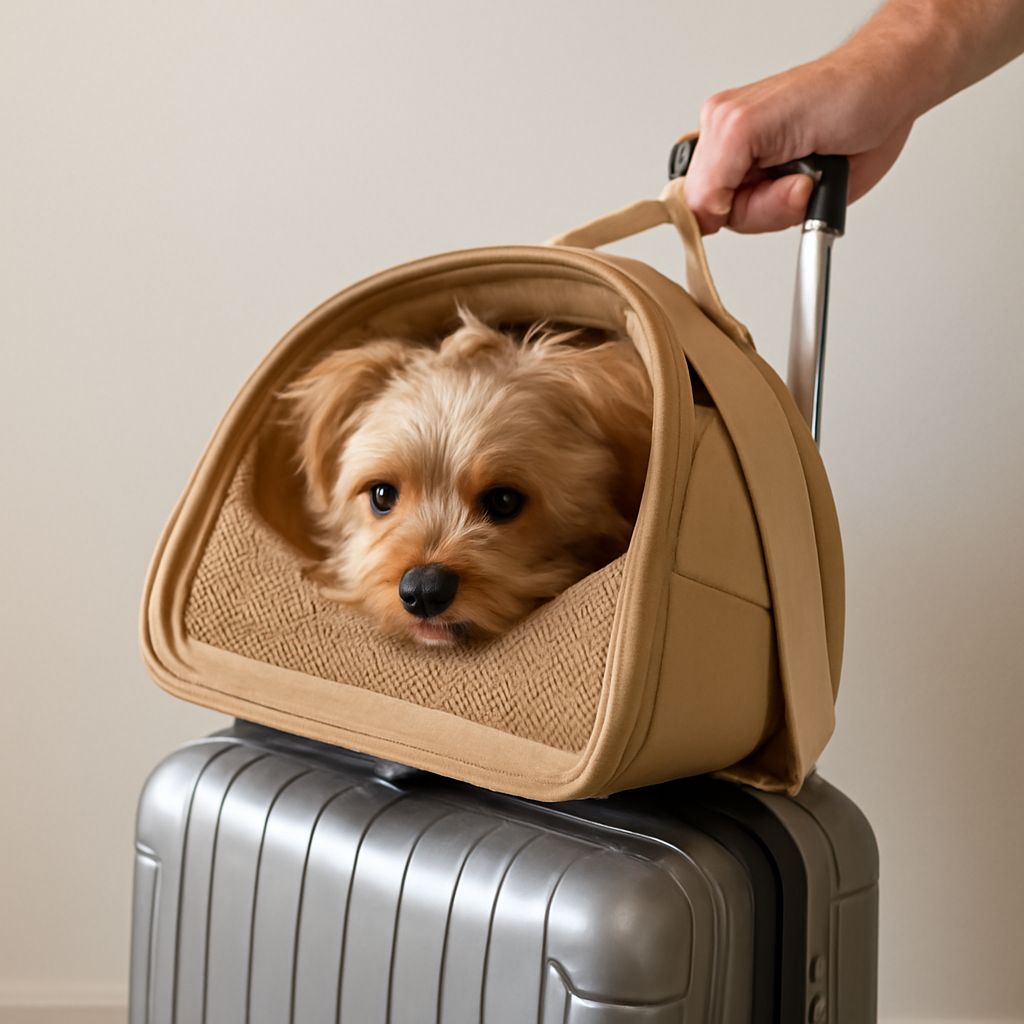
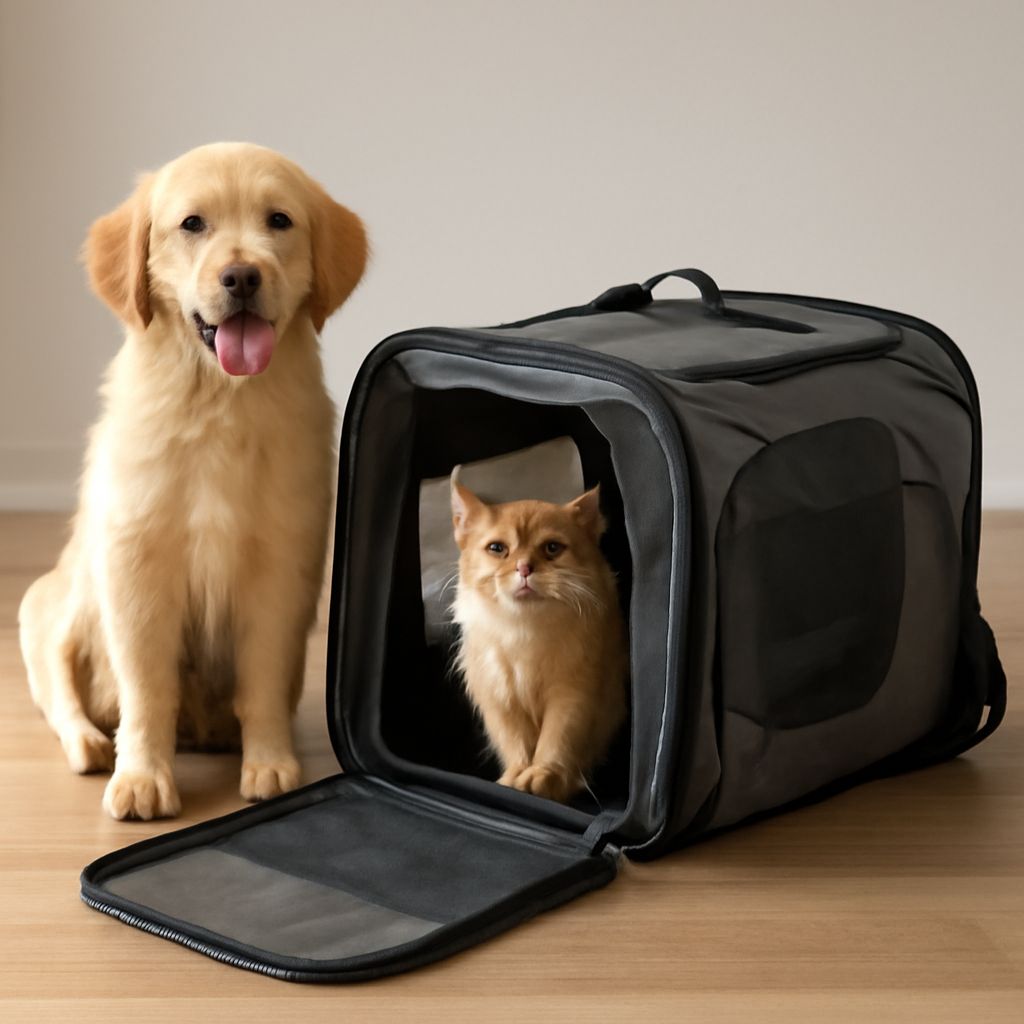
Long car trips require preparation beyond packing food and water. Dogs need rest stops every 2 to 3 hours to stretch, relieve themselves, and reduce travel stress. A well-fitted, crash-tested harness or a secured crate keeps your dog safer and calmer during extended drives. Feeding a full meal immediately before travel often causes nausea. A small meal 2 to 3 hours before departure works better for most dogs.
For anxious travelers, a familiar blanket or a stuffed comfort toy reduces stress. A homemade or purchased stuffed animal resembling a dog’s companion can reduce separation anxiety during crate travel. Keep the car temperature moderate, and never leave a dog unattended in a parked vehicle.
Introducing a Puppy to a Dominant Dog
Bringing a puppy into a home with a dominant resident dog is a process, not a single event. Start introductions on neutral ground, such as a park or quiet street, before any interaction at home. Keep both dogs leashed for the first meeting. Allow parallel walking before face-to-face sniffing.
At home, give the resident dog access to its own space the puppy cannot enter. Feed them separately to avoid resource guarding. Supervise all interactions closely for the first several weeks. The resident dog will likely correct the puppy occasionally. Brief, non-injurious corrections are normal canine communication. Intervene only if one dog appears genuinely frightened or the other escalates beyond a warning.
Consulting a certified professional dog trainer is useful when introducing a young dog to a dominant or reactive household member. Early guidance reduces the risk of developing lasting tension between the animals.