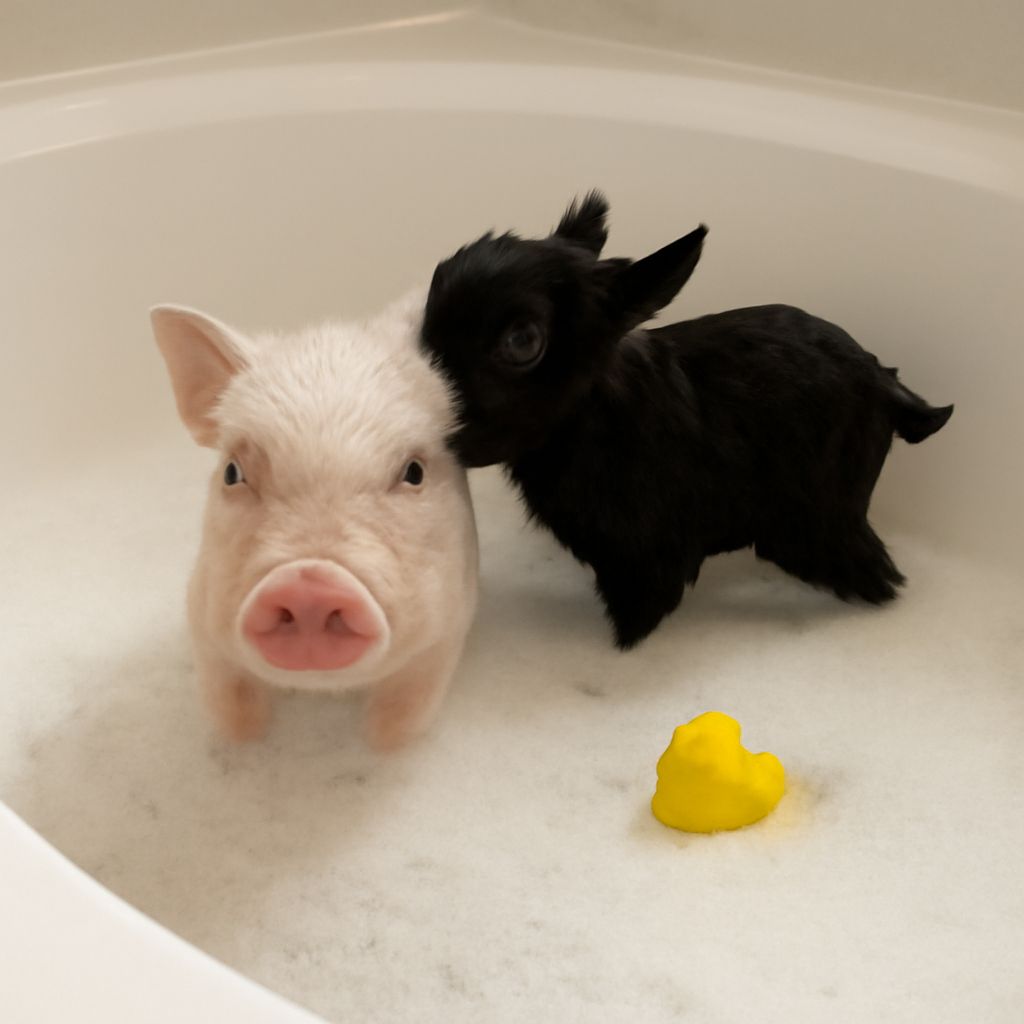
The idea of keeping a pet pig sounds charming, but many people are unprepared for what pig ownership actually involves. Pet pigs are not the tiny, low-maintenance companions they’re sometimes marketed as. A pig pet requires space, a specialized diet, veterinary care from an exotic animal vet, and consistent behavioral management. People who buy pig pets based on social media videos often rehome them within a year. Understanding the realities before you commit is the responsible path. Pigs for pets can be deeply rewarding when owners go in fully informed.
Miniature pigs, often sold as “teacup” or “micro” pigs, grow much larger than sellers claim. A pig advertised as staying under 30 pounds often reaches 60 to 100 pounds at maturity. This surprises owners who expected a small indoor animal and instead have a large, rooting, food-motivated mammal with the intelligence of a 3-year-old child.
Space and Housing Requirements for Pigs
A pet pig needs more room than a dog or cat. Indoors, pigs need a dedicated space with a rooting box filled with blankets or bedding material, since rooting is a natural and unstoppable behavior. Without a designated outlet, a pig will root through carpet, baseboards, and walls. Outdoor access is ideal. A fenced yard where the pig can graze and explore significantly improves welfare and reduces destructive indoor behavior.
Zoning laws in many municipalities prohibit keeping pigs as pets, even small breeds. Before bringing pig pets home, check local ordinances. Some areas classify pigs as livestock regardless of size, which means keeping one in a residential area may be illegal. Researching this ahead of time prevents heartbreak later.
Diet, Health, and Veterinary Care
Pigs are omnivores with strong food motivation, which makes them easy to train but also prone to obesity if fed incorrectly. A pig pet should eat a commercial mini pig pellet formulated for their size, supplemented with fresh vegetables. Fruit is a treat, not a staple. Table scraps, dog or cat food, and unlimited grazing lead to weight gain and related health problems.
Finding a vet willing and qualified to treat pigs can be difficult. Not all small animal vets see pigs, and many exotic vets have limited experience with them. Call ahead before adopting to confirm you have access to appropriate veterinary care. Pigs for pets need annual wellness exams, hoof trims every 4 to 6 months, and tusk management for males.
Common Health Issues in Pet Pigs
- Obesity from overfeeding
- Overgrown hooves and tusks
- Mange and skin conditions
- Respiratory infections
- Arthritis in older animals
Behavior and Social Needs
Pigs are social animals that form strong bonds with their owners but can also develop dominance behaviors. A bored or undertreated pig pet may bite, charge, or destroy property. Consistent training using positive reinforcement works well, since pigs learn commands quickly. They also need companionship. A pig living alone without regular interaction from people or another pig often becomes anxious or aggressive.
Pig pets thrive on routine. Changes in schedule, environment, or diet cause stress. Introducing a new pig to an existing one requires a slow, supervised process similar to introducing dogs. Rushing integration often leads to fights.
Owning pigs for pets is a long-term commitment. Many mini pigs live 12 to 18 years. That’s a significant time investment requiring consistent care, appropriate housing, and financial resources. Research thoroughly, connect with existing pig owners through reputable communities, and consult a qualified vet before adopting.