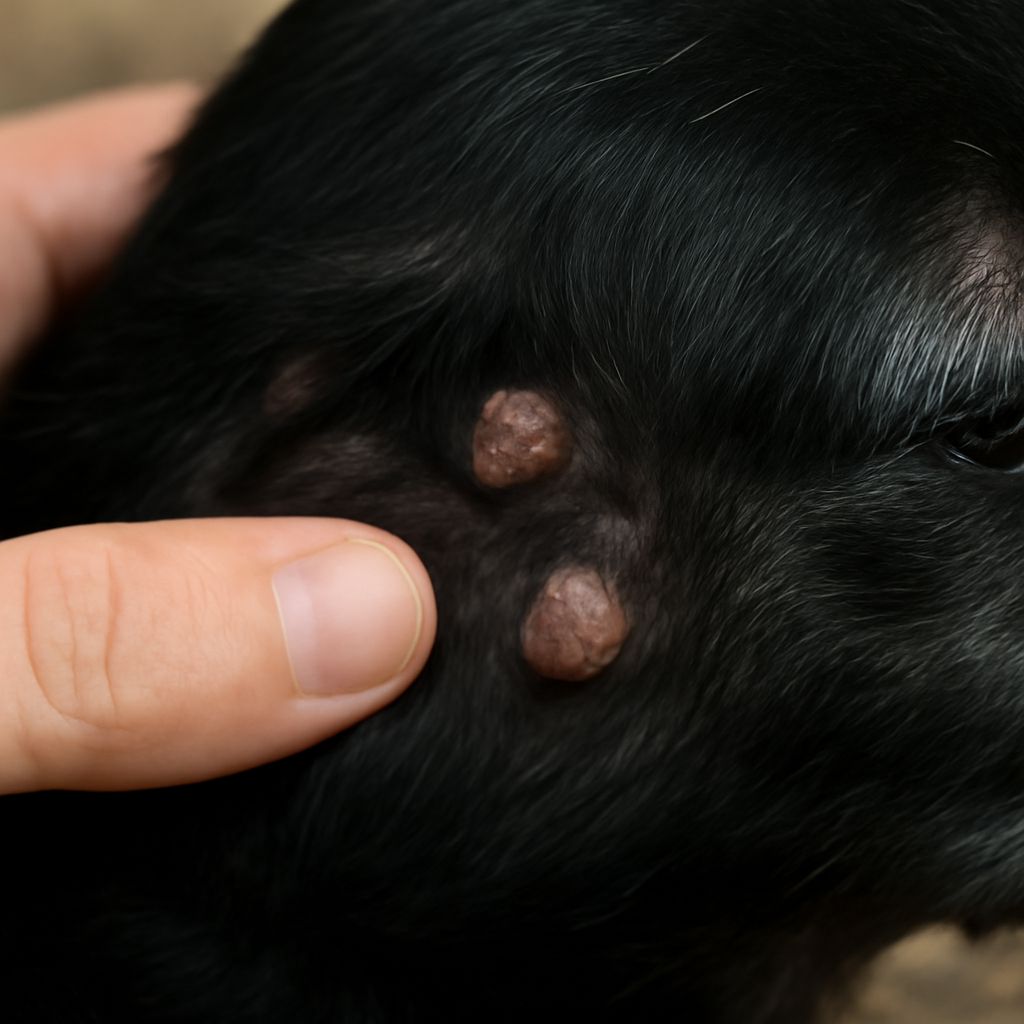
Dog dandruff can often be misunderstood as a sign of poor grooming, but it’s essential to recognize that dandruff in dogs might indicate underlying health issues. Dog dandruff treatment is crucial for ensuring your pet’s well-being. Ignoring these flakes can lead to discomfort and further skin complications. Understanding why your dog has dandruff is the first step towards finding an effective solution.
Many pet owners are eager to learn how to get rid of dog dandruff but might not realize the various factors contributing to this condition. These can include environmental influences, dietary deficiencies, or even broader dermatological concerns. By delving deeper into these causes, one can identify the appropriate measures to alleviate their pet’s condition.
Why Does My Dog Have Dandruff?
Common Causes of Dog Dandruff
Dog dandruff can result from several common causes. One primary factor is seborrhea, a skin condition that affects the production of sebum, the natural oils on your dog’s skin. Seborrhea can disrupt the normal shedding process, leading to flaky skin.
Environmental Factors Influencing Dandruff
Environmental factors can significantly influence dandruff in dogs. Dry air, especially during winter, can exacerbate flaky skin. Additionally, allergens such as pollen or dust may contribute to the skin’s reaction, leading to an increase in dandruff.
Dietary Causes and Nutritional Deficiencies
Nutritional deficiencies are another critical factor in understanding why your dog has dandruff. An imbalance in essential fatty acids or a lack of vital vitamins can lead to poor skin health. Ensuring your dog receives a balanced diet is vital for maintaining their skin’s integrity.
What Are Effective Dog Dandruff Treatments?
Topical Treatments and Shampoos
Effective dog dandruff treatment often involves using specialized shampoos. These products are formulated to moisturize and soothe the skin, reducing flakiness. Regular use can help combat the excessive shedding of skin cells.
Dietary Supplements and Nutritional Adjustments
Adjusting your dog’s diet can also serve as a potent remedy for dandruff. Incorporating omega-3 and omega-6 fatty acids can enhance skin health. These essential nutrients are found in fish oil supplements and can significantly improve the skin’s moisture balance.
When to Consult a Veterinarian
While many cases of dandruff can be managed at home, there are situations where professional guidance is necessary. If your dog’s dandruff persists despite at-home treatments, or if you notice additional symptoms, consulting a veterinarian is advisable. A vet can determine if the dandruff is a symptom of a more serious underlying condition.
How to Get Rid of Dog Dandruff Permanently
Establishing a Regular Grooming Routine
A consistent grooming routine is paramount in preventing dandruff. Regular brushing helps distribute natural oils across your dog’s coat, which can reduce dryness and flakiness.
Using Natural Remedies for Dog Dandruff
Natural remedies, such as coconut oil or oatmeal baths, can also be effective. These treatments help soothe the skin and maintain moisture. Always ensure that any home remedy used is safe and suitable for pets.
What If My Dog Has Dandruff and Itches?
Understanding the Link Between Dandruff and Itching
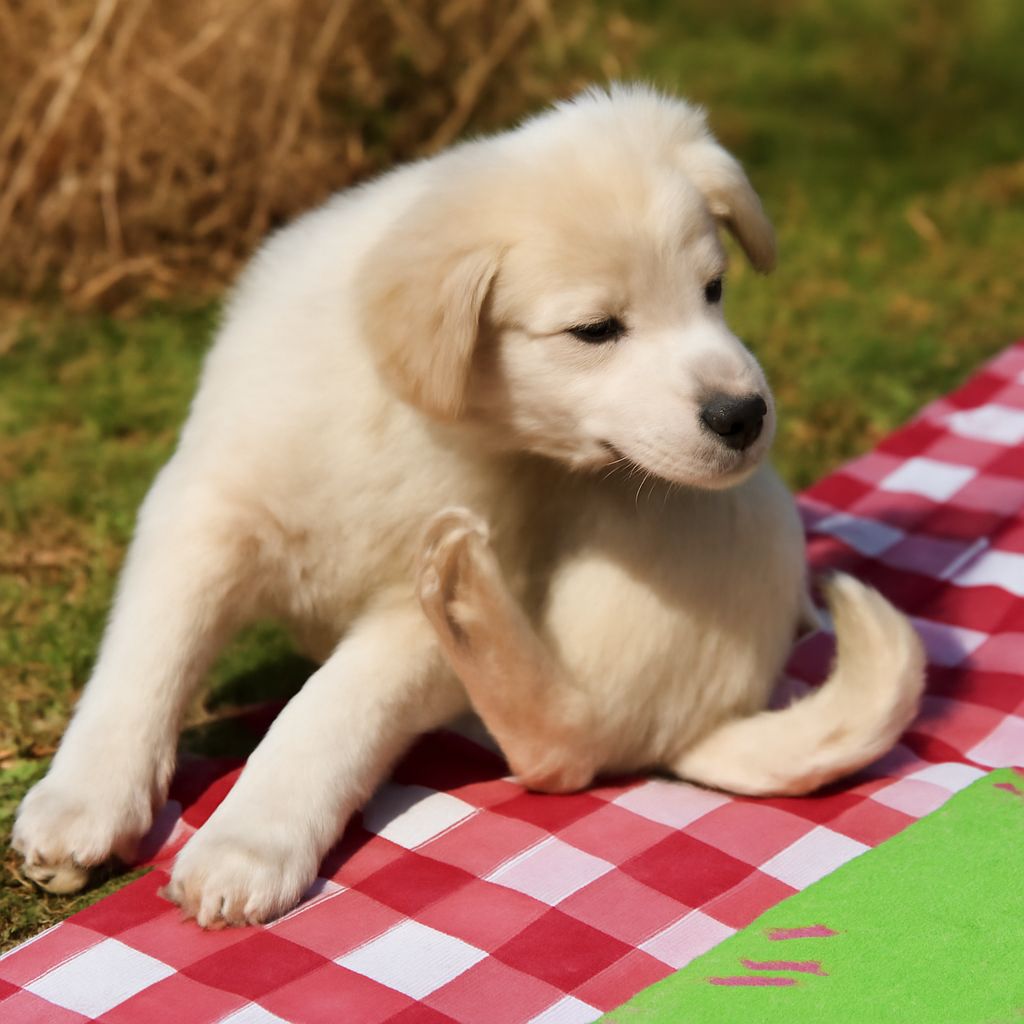
Dandruff and itching often occur together, indicating irritated skin. This can be due to an allergic reaction or other dermatological issues.
Immediate Steps to Relieve Itching
To relieve itching, you can apply hypoallergenic lotions or sprays designed specifically for dogs. These products provide immediate relief by calming irritated skin.
Key takeaways: Understanding the causes and treatments of dog dandruff is crucial for your pet’s health. Regular grooming and appropriate diet adjustments can prevent and alleviate this condition. For persistent issues, seek professional veterinary advice.