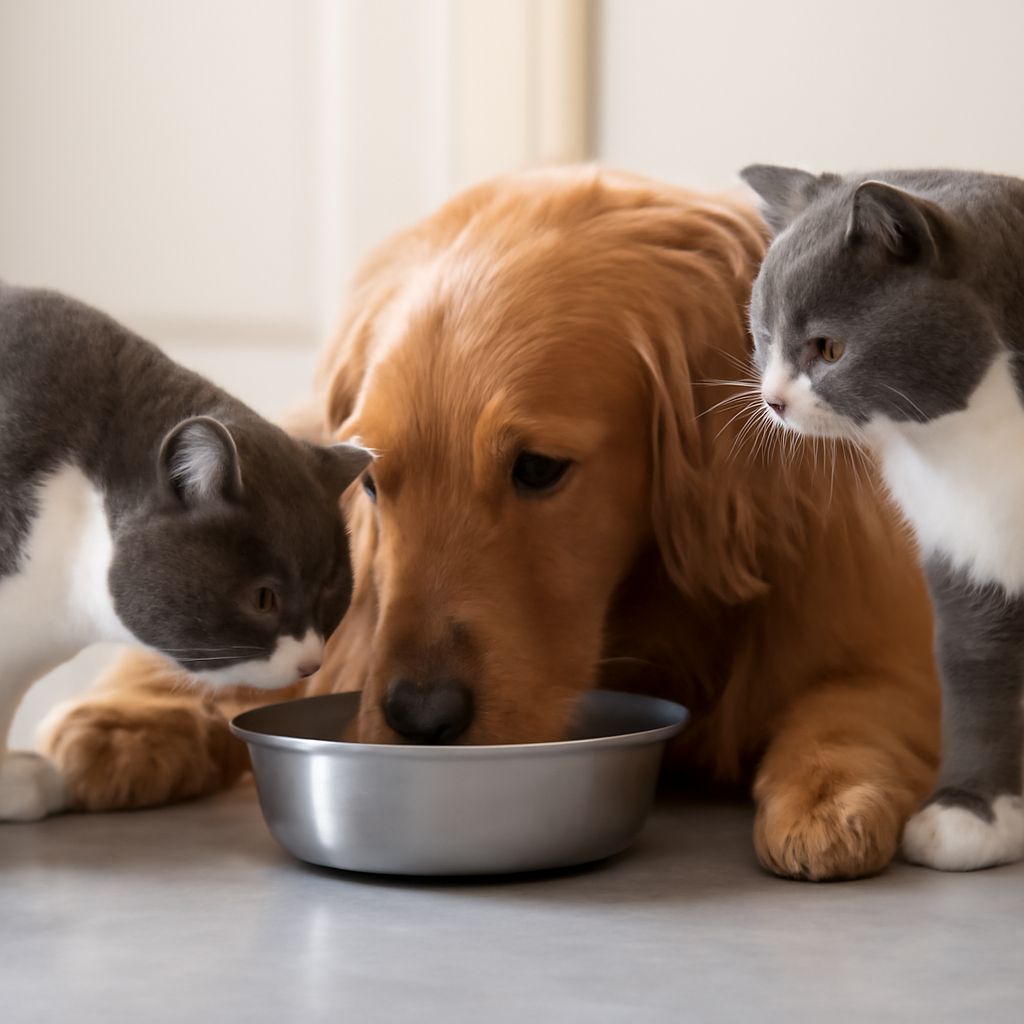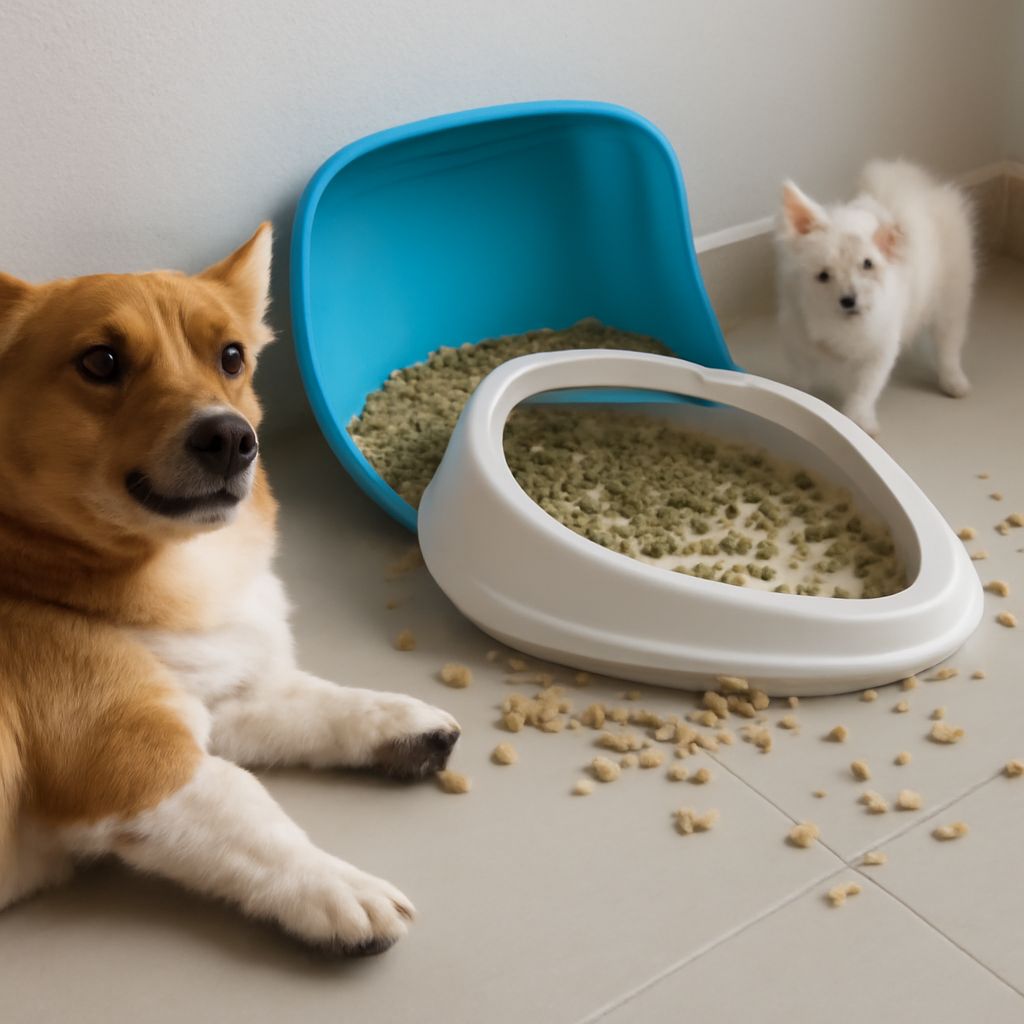
Many dog owners find themselves puzzled and concerned when they catch their dogs indulging in cat poop. This peculiar behavior, often referred to as coprophagia, leaves many questioning why their beloved pets engage in such an act. Understanding the reasons behind why your dog eats cat poop is crucial in addressing this issue effectively. Moreover, if your dog eats cat litter, it could lead to potential health risks.
Seeing your dog eating cat litter or cat feces can be alarming, but it’s important to tackle this issue with knowledge and patience. Before jumping to conclusions, let’s delve into why dogs exhibit this behavior and how you can prevent it for the well-being of your pets.
Why Do Dogs Eat Cat Poop?
Dogs are naturally curious creatures and often explore the world around them through scent and taste. This inquisitive nature sometimes leads them to the litter box, attracted by the scent of cat feces. The nutritional remnants in cat poop can be enticing to dogs, especially if a cat’s diet is rich in fats and proteins.
Additionally, behavioral factors can play a role. Dogs eating cat droppings might be seeking attention or even mimicking other animals. Lack of proper nutrition or dietary deficiencies might also drive them to eat substances they wouldn’t typically consume. Ensuring your dog has a balanced diet can help mitigate this behavior.
Health Risks of Dog Eating Cat Litter
When a dog consumes cat litter, it poses several health hazards. Cat litter can clump and expand when ingested, leading to potential blockages in a dog’s digestive system. This can cause vomiting, diarrhea, or more serious complications requiring immediate veterinary attention.
Cats often harbor parasites such as Toxoplasma gondii in their feces, which can be transmitted to dogs. These parasites can lead to serious health issues, so if your dog is found eating cat feces regularly, it is advisable to consult a veterinarian for a thorough check-up.
Is It Normal If My Dog Ate Cat Litter?
While the behavior might be common, it’s not considered normal or healthy for dogs to eat cat litter. Consuming litter can harm your dog, and it’s crucial to address this behavior promptly. If your dog has eaten cat litter, monitor them for any signs of distress such as lack of appetite, lethargy, or signs of gastrointestinal upset.
Seeking veterinary advice is essential if your dog exhibits any symptoms following the ingestion of cat litter. Professional guidance can assist in determining if further medical intervention is necessary.
How to Prevent Your Dog from Eating Cat Poop
Prevention strategies are key in curbing your dog’s consumption of cat feces. Start by ensuring your cat’s litter box is in an area inaccessible to your dog. Use baby gates or doors with pet flaps that only cats can access. Additionally, regular cleaning of the litter box can reduce the temptation for your dog.
Enhancing your dog’s diet with necessary nutrients can eliminate dietary deficiencies that might be driving this behavior. Engage your dog with toys and activities to fill their time constructively, reducing the likelihood of them seeking out cat poop out of boredom.
Safe Alternatives to Cat Litter
For households with both cats and dogs, exploring safe alternatives to traditional cat litter can be beneficial. Look for natural, non-clumping litters that are less likely to cause blockages if ingested by your dog.
Incorporating litter box liners or using litter with larger granules can also deter dogs from eating cat feces. Always keep a close eye on your pets’ interactions with the litter box and consult with a veterinarian if you’re considering a switch in litter types to ensure the safety of both your cat and dog.